
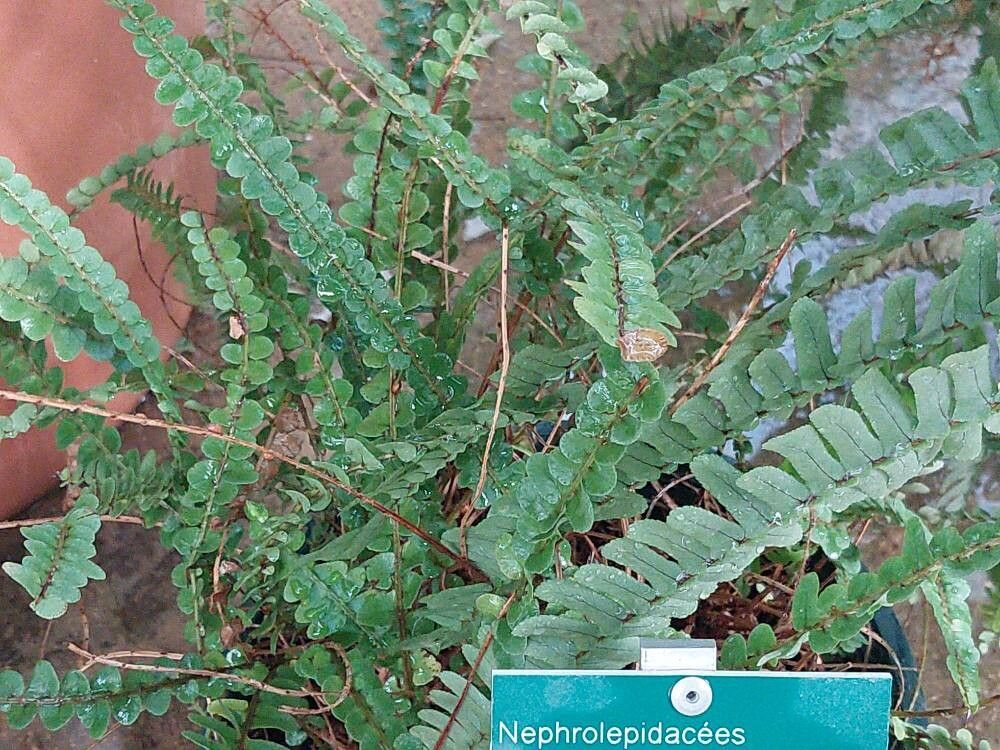
Propagating the Hairy Bird’s Nest Fern (Nephrolepis hirsutula): A Guide for Enthusiasts
Introduction:
Nephrolepis hirsutula, commonly known as the Hairy Bird’s Nest Fern, is a captivating fern species prized for its delicate, arching fronds covered in fine hairs, giving it a unique soft texture. Its relatively compact size and tolerance for a range of conditions have made it a popular choice among indoor and outdoor gardeners, particularly in tropical and subtropical regions. Unlike some ferns, N. hirsutula isn’t readily available in large quantities commercially, making propagation of existing plants a desirable skill. The challenges presented in its propagation only enhance the satisfaction reaped from successful cultivation.
Seed Germination:
Currently, there are no known reliable methods for seed germination propagation of Nephrolepis hirsutula. Ferns like Nephrolepis generally reproduce more effectively through vegetative means (spores or vegetative propagation). Though this fern does produce spores, germination is notoriously difficult in a domestic setting, and consistent success remains elusive.
Cuttings:
Cuttings are also generally unproductive for Nephrolepis hirsutula. While some fern species can be propagated from stem cuttings, this method is not effective for this particular species due to its dependence on rhizomes for growth and reproduction.
Division:
Division is the most reliable and straightforward method for propagating Nephrolepis hirsutula.
- Challenges: Divisions need to be sufficiently large to include healthy rhizomes and several fronds for a successful establishment. Care needs to be taken to avoid damaging the delicate rhizomes during separation.
- Practical Tips: The best time to divide is during the active growing season (spring or early summer). Carefully remove the plant from its pot and gently separate the rhizomes into sections, ensuring each section has several healthy fronds and a substantial portion of the rhizome. Plant the divisions in a well-draining potting mix suitable for ferns. Keep the divisions moist but not waterlogged.
- Rewards: Division offers a relatively simple way to increase the number of plants. It preserves the mother plant’s genetic characteristics, ensuring uniformity in the new plants for gardeners seeking to maintain existing color and texture of their ferns.
Tissue Culture:
Tissue culture is a viable but more advanced method for propagating Nephrolepis hirsutula.
- Challenges: Tissue culture requires specialized equipment, a sterile environment, and a good understanding of plant tissue culture techniques. The process is also time-consuming and has its learning curve. Contamination is a major concern and can easily ruin an entire batch.
- Practical Tips: Specialized plant tissue culture media and aseptic techniques are crucial for success. Explant selection (the plant material used for propagation) is important, carefully choosing a healthy section of the plant.
- Rewards: Tissue culture offers the possibility of mass propagation, allowing for large-scale production of genetically identical plants. Furthermore, it’s the only reliable method for disease-free plant multiplication, eliminating many pathogens that might affect the mother plant.
Conclusion:
Propagating Nephrolepis hirsutula, while presenting certain difficulties, is achievable. For the average gardener, division is the most practical approach. While tissue culture offers the potential for large-scale cultivation and disease elimination, it demands greater expertise and resources. The rewards, however, are significant. Successfully propagating this beautiful fern—whether through the relative simplicity of division or the advanced techniques of tissue culture—brings a unique sense of accomplishment, a testament to patience, horticultural skill, and the joy of nurturing life. Don’t be discouraged by the challenges; the beauty of a healthy, thriving Hairy Bird’s Nest Fern, propagated by your own hand, is a more than sufficient reward.