
Propagating Neslia paniculata: A Gardener’s Guide to the Ball Mustard
Introduction:
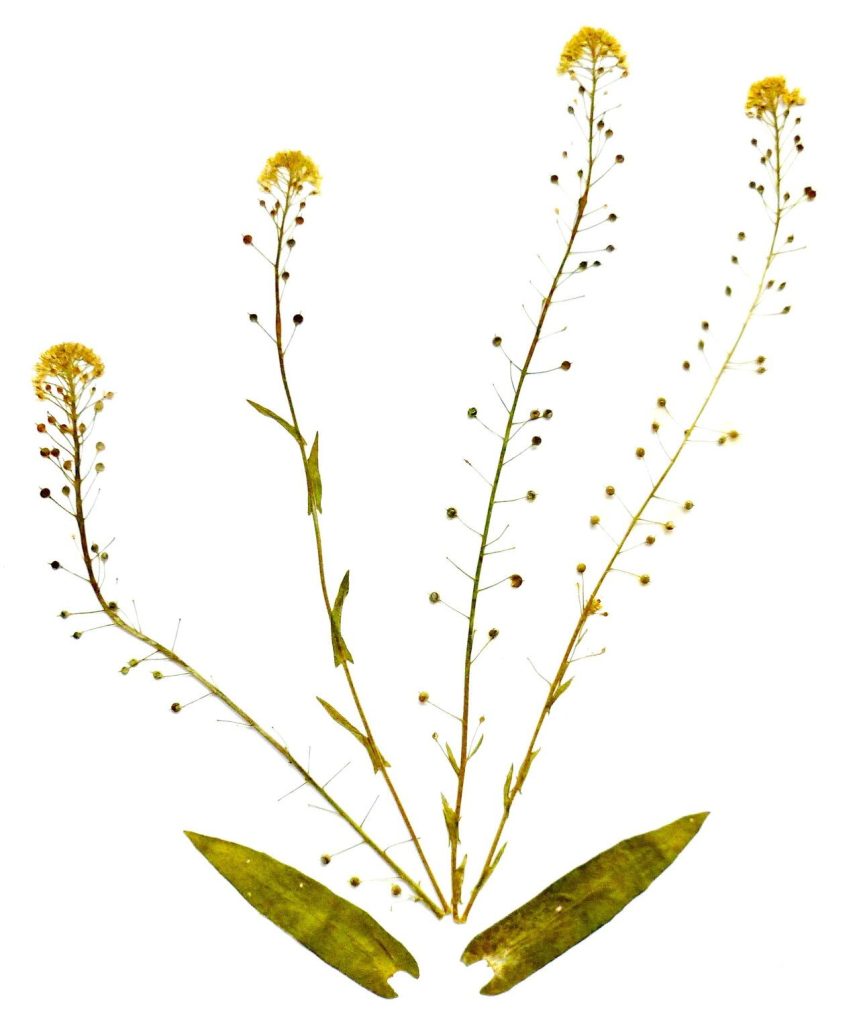
Neslia paniculata, commonly known as ball mustard, is an annual herb belonging to the Brassicaceae family. Characterized by its small, yellow flowers and distinctive globular seed pods, it’s a fascinating plant with a somewhat weedy nature, making it less commonly cultivated in gardens than its more showy relatives. However, its resilience, adaptability, and intriguing morphology make it a rewarding subject for the enthusiastic propagator. Its self-seeding nature hints at the potential for seed propagation, but its success rate may be unpredictable. This article explores various propagation methods for Neslia paniculata, highlighting both challenges and rewards.
Seed Germination:
Seed germination is a viable, though potentially challenging, method for propagating Neslia paniculata.
Challenges: Freshly harvested seeds generally exhibit higher germination rates than older seeds. Seed dormancy may be a factor, although research on specific stratification requirements for Neslia paniculata is limited. Variations in germination success may also be linked to environmental factors such as temperature and soil moisture.
Practical Tips: Sow seeds directly outdoors in well-drained soil in autumn or spring. A light covering of soil is sufficient. Maintain consistently moist (but not waterlogged) soil until germination occurs. Experimentation with different sowing times and depths may be necessary to optimize success. Consider pre-treating seeds with a gentle scarification or brief cold stratification (a few weeks at 4°C) to potentially overcome dormancy.
Rewards: Seed propagation offers the benefit of genetic diversity, resulting in a more robust population over time. It also allows for large-scale propagation, relatively inexpensively.
Cuttings:
Currently, there are no known reliable methods for propagating Neslia paniculata from cuttings. The plant’s annual nature and lack of readily available succulent stems make this propagation method unlikely to succeed.
Division:
Division is not a viable method for propagating Neslia paniculata. As an annual plant, it does not develop the extensive root systems characteristic of plants amenable to division.
Tissue Culture:
While tissue culture offers the potential for large-scale propagation of plants, including those notoriously difficult to propagate otherwise, there is currently limited research available detailing its effectiveness for Neslia paniculata. Further investigation would be needed to determine its feasibility and optimal protocols.
Conclusion:
Propagating Neslia paniculata presents unique challenges, with seed germination offering the most promising avenue, albeit with some uncertainties. The lack of success with cuttings and division, coupled with the unknown potential of tissue culture underscores the need for careful observation, experimentation, and perhaps some patience. However, successfully cultivating this intriguing plant from seed, overcoming the potential hurdles, imbues a profound sense of accomplishment. The rewards—observing a patch of these delicate plants emerge from humble seeds—provide a unique satisfaction for the dedicated gardener. For aspiring propagators, remember that persistence and meticulous attention to detail are crucial. Don’t be discouraged by setbacks – each attempt contributes to valuable knowledge, bringing you closer to mastering the propagation of this fascinating ball mustard.