
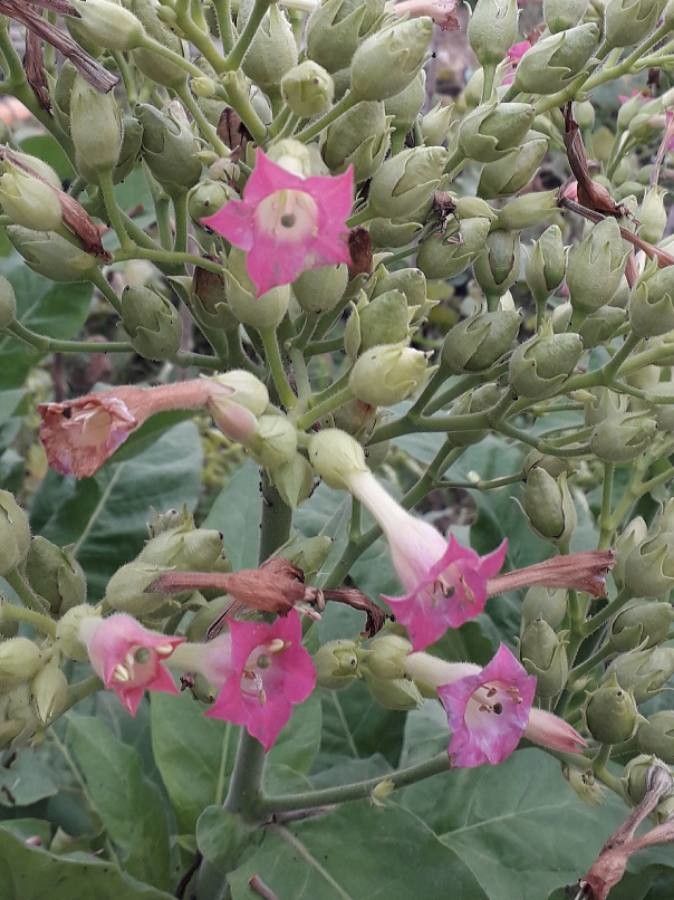
From Seed to Smoke: Growing Your Own Tobacco Plants
Tobacco, known scientifically as Nicotiana tabacum, has a long and complex history, spanning from its use in ancient ceremonies to its modern-day controversy. But beyond its contentious role, growing tobacco can be a fascinating and rewarding experience for gardeners of all levels. The process of propagation, or starting new plants, is surprisingly straightforward and can even be done from the comfort of your own home.
Starting from Seed:
The most common method of propagating tobacco is from seed. While it may seem daunting, the tiny tobacco seeds are remarkably resilient and germinate quickly. Here’s a step-by-step guide:
- Prepare Your Seed Tray: Choose a seed tray with good drainage and fill it with a sterile seed-starting mix. Gently moisten the mix, ensuring it’s evenly damp but not soggy.
- Sowing Seeds: Tobacco seeds are very small, so lightly sprinkle them onto the surface of the seed mix. You don’t need to bury them deep, just barely cover them with a thin layer of mix.
- Water and Cover: Gently mist the seeds with water, ensuring not to dislodge them. Cover the seed tray with plastic wrap or a humidity dome to create a warm, humid environment.
- Lighting and Temperature: Place the tray in a warm, sunny location with temperatures around 70-75°F (21-24°C) for optimal germination. Keep the seed mix moist, but avoid overwatering.
- Germination and Thinning: Tobacco seeds usually sprout within 7-14 days. Once they have two sets of true leaves, gently thin the seedlings to provide each one with ample space to grow.
From Seedling to Plant:
Once your seedlings are a few inches tall and have developed strong roots, it’s time to transplant them into larger pots or directly into the garden.
- Hardening Off: Before transplanting, gradually introduce your seedlings to the outdoors to acclimate them to the sun and wind. Start with short periods of time in the shade, slowly increasing the duration and intensity of sunlight.
- Transplanting: Choose a sunny location with well-drained soil. Dig a hole that is slightly larger than the root ball of your seedling. Gently remove the seedling from its pot, being careful not to damage the roots. Place it in the hole and backfill with soil, patting it down lightly.
- Watering and Care: Water your newly transplanted tobacco plants thoroughly, and continue to water regularly, especially during dry periods. Keep an eye out for pests and diseases, and treat them appropriately.
Beyond the Basics:
- Variety Selection: There are numerous varieties of tobacco, each with unique characteristics. Some are ideal for pipe tobacco, while others are better suited for cigars or cigarettes. Research different varieties to find the one that best suits your needs.
- Legal Considerations: Cultivating tobacco is legal in most areas, but it is essential to be aware of any local regulations or restrictions.
- Ethical Considerations: The cultivation and consumption of tobacco have significant health and environmental implications. Consider the ethical implications of growing or consuming tobacco before starting.
Growing your own tobacco plants can be a fascinating and rewarding experience, offering a glimpse into the history and cultivation of this important crop. While it’s essential to remember the health and environmental consequences, learning about the process can be a valuable educational experience. So, if you’re feeling adventurous and want to step outside the usual gardening routine, why not try growing your own tobacco?