
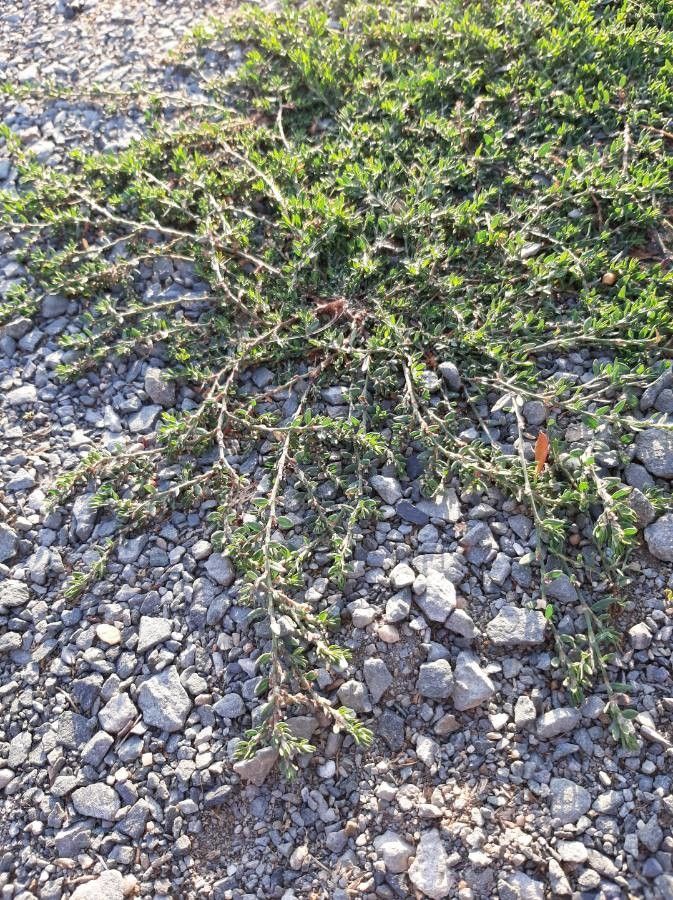
From Weed to Wonder: The Easy Propagation of Knotweed (Polygonum aviculare)
Knotweed, or Polygonum aviculare, may be a common sight in your garden, often relegated to the “weed” category. But this resilient plant, known for its rapid growth and tenacious nature, has a hidden charm – it’s incredibly easy to propagate! Whether you’re looking to fill a bare patch in your garden or start a new bed of this versatile ground cover, propagation offers a simple and rewarding process.
A World of Possibilities
Knotweed isn’t just a resilient weed. It’s a versatile plant with a range of uses. Its small white flowers attract pollinators, its dense foliage offers erosion control, and its low-growing habit makes it ideal for ground cover. But most importantly, it’s incredibly easy to propagate, meaning you can easily share the joy of this plant with friends or simply expand your own garden.
Methods of Propagation
There are two primary techniques for propagating Knotweed:
1. Seed Propagation:
- Harvesting Seeds: Allow Knotweed to flower and produce seed pods. Once ripe, the pods turn brown and dry. You can harvest these pods directly from the plant or collect them after they fall naturally.
- Sowing Seeds: Direct sow seeds directly into the garden bed in the fall, as they benefit from the cold stratification of winter. Alternatively, you can start seeds indoors in pots during the winter months and transplant them outdoors in the spring. Seeds should be lightly covered with soil and watered regularly.
2. Cuttings:
- Taking Cuttings: Take stem cuttings between 6-8 inches long during the late spring or early summer. Ensure your cuttings have at least two nodes (where leaves emerge). Remove the lower leaves to promote root growth.
- Rooting: Dip the cut ends in rooting hormone and plant the cuttings in a mix of equal parts potting soil and perlite. Keep the soil moist but not soggy.
- Transplanting: Once cuttings develop roots (usually within a few weeks), they can be transplanted to their desired location in the garden.
Tips for Success
- Location: Knotweed thrives in full sun to partial shade and tolerates a wide range of soil conditions, making it an adaptable addition to most gardens.
- Watering: Water regularly, especially during the establishment phase, but avoid overwatering. Allow the soil to dry slightly between watering.
- Maintenance: Knotweed is a low-maintenance plant. You can trim it regularly to keep it compact or let it roam freely as a ground cover.
The “Weedy” Advantage
Knotweed’s reputation for being a weed is actually a positive in the realm of propagation. Its ability to readily grow from seed or cuttings makes it an exceptionally easy plant to cultivate. So, next time you see Knotweed in your garden, don’t just see a weed. See an opportunity to add beauty, resilience, and ecological benefits to your outdoor space. With a little knowledge and effort, you can easily propagate your own batch of this fascinating plant, transforming it from a nuisance to a valued addition to your garden.