
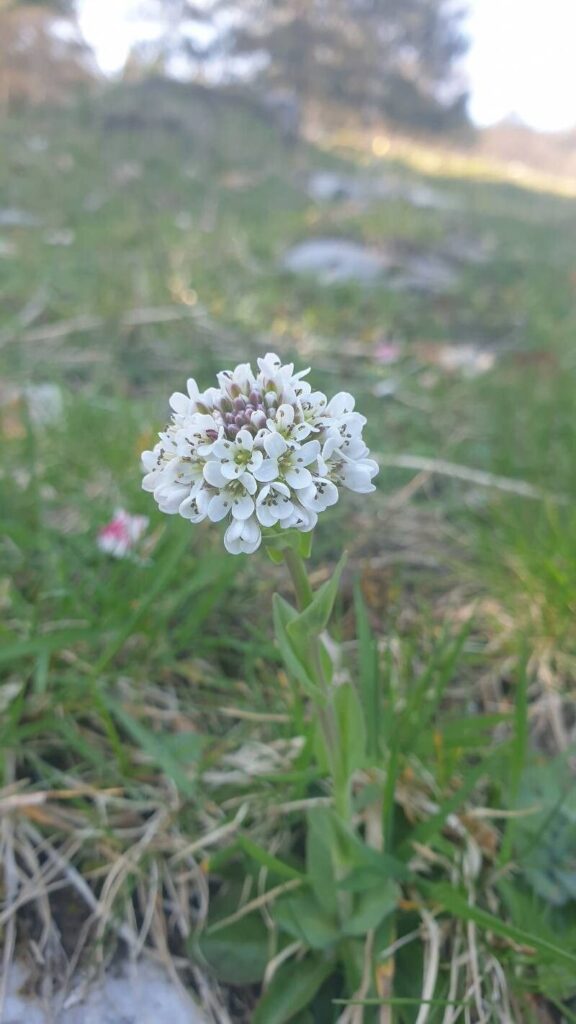
Unlocking the Secrets of Propagation: Growing Your Own Heavy Metal Heroes (Noccaea caerulescens)
The plant world is full of fascinating characters, but few have a resume quite like Noccaea caerulescens. This unassuming wildflower, also known as Alpine Pennycress, harbors a secret superpower: it can thrive in soils heavily contaminated with heavy metals. But beyond its incredible resilience, Noccaea caerulescens also presents an exciting opportunity for plant enthusiasts—propagation. So, if you’re looking for a unique addition to your garden or simply want to learn about growing these fascinating plants, read on!
The Why and How of Propagation:
Propagating your own Noccaea caerulescens offers several advantages. First, it allows you to control the plant’s environment and ensure its specific needs are met. Second, it’s a cost-effective way to expand your collection or share these intriguing plants with others.
There are two primary methods for propagating Noccaea caerulescens:
1. Seeds:
- Collection: Noccaea caerulescens produces small, brown seeds in late spring or early summer. Collect the seed pods when they turn brown and dry, gently crushing them to release the seeds.
- Sowing: Sow the seeds directly into well-draining soil, either in pots or a prepared seedbed outdoors. The key is to mimic their natural habitat – a sunny location with slightly alkaline soil.
- Germination: The seeds require light for germination, so press them lightly onto the soil surface, ensuring good contact but not burying them. Keep the soil consistently moist but not waterlogged. Germination typically occurs within 2-3 weeks.
-
Thinning: Once the seedlings develop a few true leaves, thin them out to provide adequate space for growth.
2. Cuttings:
- Timing: Take cuttings in the spring or early summer from healthy, non-flowering stems.
- Preparation: Using a clean, sharp knife or shears, cut a 3-4 inch section of stem just below a leaf node. Remove the lower leaves, leaving a few at the top.
- Rooting: Dip the cut end in rooting hormone (optional, but recommended) and plant the cutting in a well-draining potting mix.
- Environment: Place the cutting in a warm, humid environment with indirect sunlight. A cloche or humidity dome can help maintain moisture.
- Rooting Time: Roots usually develop within 4-6 weeks. Once established, you can transplant the rooted cutting into individual pots or your garden.
Caring for Your Noccaea caerulescens:
These resilient plants are relatively low-maintenance but thrive in specific conditions:
- Sunlight: Provide them with at least 6 hours of sunlight daily.
- Soil: Well-draining soil is crucial to prevent root rot. Amend heavy clay soils with sand or perlite for optimal drainage.
- Water: Water regularly, allowing the soil to dry slightly between waterings. Avoid overwatering, which can be detrimental.
- Fertilizer: Noccaea caerulescens are light feeders. A diluted balanced fertilizer applied once or twice during the growing season is sufficient.
By following these guidelines, you can successfully propagate and cultivate these fascinating plants. Growing your own Noccaea caerulescens is a rewarding experience that offers a glimpse into the remarkable adaptability of nature. Beyond their intriguing ability to thrive in challenging environments, they serve as a reminder of the beauty and resilience found in even the most unexpected places.