
Unveiling the Secrets of Nolana Acuminata Propagation: Cultivating Coastal Elegance
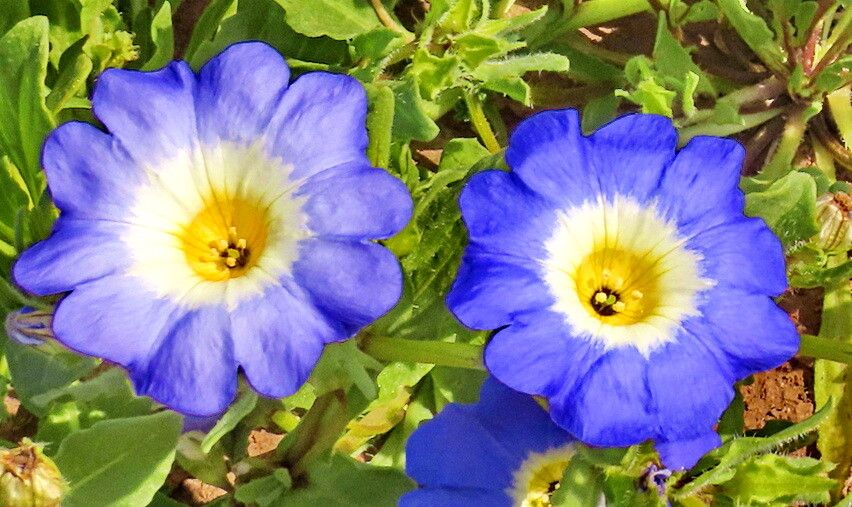
Nolana acuminata, also known as Chilean bellflower or trailing nolana, is a captivating groundcover prized for its striking blue, bell-shaped flowers that resemble miniature morning glories. Native to the coastal regions of Chile, this semi-succulent plant brings a touch of seaside charm to gardens and containers. While admiring its beauty is a delight, learning the art of Nolana acuminata propagation allows you to share this enchanting species and expand its presence in your green spaces.
Seeds of Success: Embarking on Nolana Acuminata Propagation Through Seed
Propagating Nolana acuminata from seed is a rewarding experience that yields satisfying results. Follow these steps to cultivate your own Chilean bellflower haven:
-
Timing is Key: Begin sowing indoors approximately 6-8 weeks before the last expected frost in your region. Nolana acuminata thrives in warm temperatures, so starting early ensures healthy seedlings ready for transplantation once the danger of frost has passed.
-
Sowing the Seeds: Prepare seed trays or small pots filled with a well-draining seed starting mix. Sow the seeds shallowly, about ¼ inch deep, and mist them gently with water. Maintaining consistent moisture is crucial for successful germination.
-
Light and Warmth: Place the seed trays in a warm, brightly lit location, but avoid direct sunlight, which may scorch the delicate seedlings. Consider using a heat mat to maintain an optimal temperature range of 70-75°F (21-24°C).
-
Germination Anticipation: Exercise patience as Nolana acuminata seeds can take some time to germinate, typically between 10-21 days. Once the seedlings emerge, ensure they receive adequate light to prevent legginess.
- Transplanting Triumph: When the seedlings develop two sets of true leaves, they are ready for transplantation. Carefully transfer them to individual pots or directly into your garden beds, spacing them about 12-18 inches apart.
Taking the Cutting Edge: Propagating Nolana Acuminata Through Cuttings
Another effective method for propagating Nolana acuminata is through stem cuttings. This technique allows you to clone existing plants and maintain their unique characteristics. Follow these steps for successful propagation through cuttings:
-
Selecting the Ideal Cuttings: Choose healthy, non-flowering stems from an established Nolana acuminata plant. Using a clean, sharp knife or pruning shears, take cuttings that are approximately 3-4 inches long.
-
Preparing the Cuttings: Remove the lower leaves from the cuttings, leaving only a few at the top. This step reduces moisture loss and encourages root development. Dipping the cut end of the stem in a rooting hormone powder can further enhance root formation.
-
Planting the Cuttings: Fill small pots or seed trays with a well-draining potting mix. Insert the prepared cuttings into the medium, burying the bottom node (where the leaves were removed) beneath the surface.
-
Creating a Humid Environment: Cover the pots or trays with a clear plastic bag or humidity dome to create a warm, humid environment that promotes root development. Ensure adequate ventilation to prevent fungal diseases.
- Rooting Revelation: Within a few weeks, the cuttings should develop roots. Gently tugging on the stem will reveal if rooting has occurred. Once the roots have established, gradually acclimate the new plants to outdoor conditions before transplanting them to their permanent locations.
Nurturing Your Nolana Acuminata Progeny
Whether you choose to propagate Nolana acuminata through seeds or cuttings, providing the right growing conditions will ensure their health and vitality. These plants thrive in well-drained soil with a slightly acidic to neutral pH. Locate them in a sunny spot that receives at least 6 hours of direct sunlight daily. Water them regularly, allowing the soil to dry slightly between waterings to prevent root rot.
Propagating Nolana acuminata offers a fulfilling experience for both novice and seasoned gardeners. By embracing these techniques, you can cultivate a flourishing collection of these captivating coastal flowers, adding a touch of vibrant elegance to your garden tapestry.