
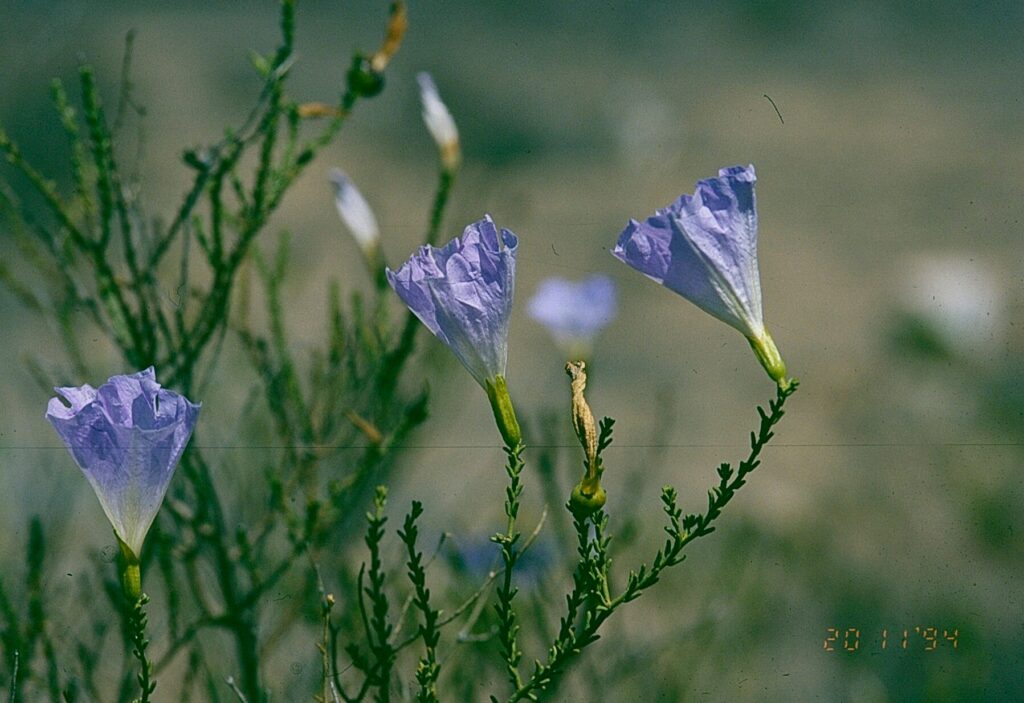
Unveiling the Secrets: How to Propagate the Majestic Nolana Rostrata
The Nolana rostrata, commonly known as the Chilean bellflower, is a sight to behold. With its vibrant purple, blue, or white blooms cascading over lush green foliage, it’s no wonder gardeners are eager to welcome this South American native into their gardens. While commonly bought as mature plants, learning to propagate your own Nolana rostrata opens a world of possibilities, from multiplying your collection to sharing this beauty with friends and family.
So, how do you propagate these stunning specimens? Thankfully, Nolana rostrata can be propagated through two primary methods:
1. Seed Propagation:
This is generally the most common and easiest way to propagate Nolana rostrata.
- Timing is key: For best results, start seeds indoors about 6-8 weeks before the last expected frost.
- Sowing the seeds: Use a well-draining seed starting mix. Gently sprinkle the seeds over the surface and lightly press them in. Nolana rostrata seeds need light to germinate, so avoid burying them deeply.
- Warmth and moisture: Place your seed tray in a warm location (around 70-75°F). Keep the soil consistently moist but not waterlogged.
- Be patient: Germination typically takes 10-14 days.
- Transplanting Time: Once the seedlings develop a few sets of true leaves and all danger of frost has passed, harden them off for a week and then transplant them outdoors in a sunny location.
2. Cuttings:
Propagating Nolana rostrata from cuttings is slightly trickier but definitely achievable.
- Taking the cutting: In spring or early summer, select a healthy, non-flowering stem about 3-4 inches long. Use a sharp, sterilized knife or shears to make a clean cut just below a leaf node.
- Preparing the cutting: Remove the lower leaves, leaving only 2-3 leaves at the top. Dip the cut end in rooting hormone to encourage faster root development (optional but beneficial).
- Planting the cutting: Insert the cutting into a pot filled with a well-draining potting mix. Water thoroughly.
- Creating a humid environment: Cover the pot with a plastic bag or place it in a propagator to maintain high humidity, which is essential for successful rooting.
- Patience is key: It may take several weeks for roots to form. Once the cutting shows signs of new growth, you can remove the cover and treat it as a mature plant.
Tips for Success:
- Nolana rostrata thrives in full sun to partial shade and well-drained soil.
- Water regularly, especially during dry periods, but avoid overwatering as it can lead to root rot.
- Pinch back young plants to encourage bushier growth and more abundant blooms.
- While not particularly prone to pests, keep an eye out for aphids and spider mites.
- Deadhead spent blooms to prolong the flowering period and encourage more buds to form.
Propagating your own Nolana rostrata is a rewarding experience, allowing you to enjoy an abundance of these magnificent flowers year after year. With a bit of patience and care, you can master these propagation techniques and share the beauty of the Chilean bellflower with the world.