
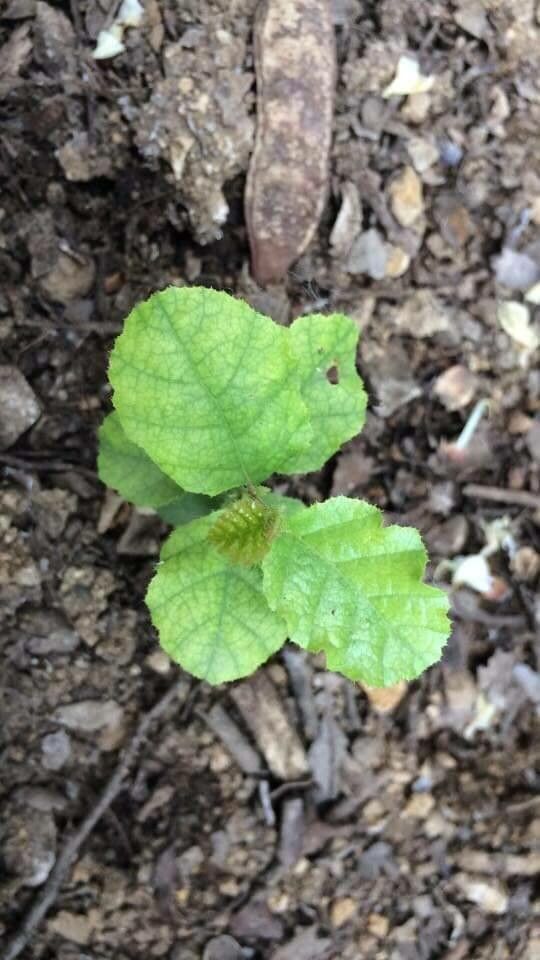
Unveiling the Secrets of the Giant: Propagating the Majestic Nothofagus macrocarpa
The Nothofagus macrocarpa, also known as the Roble de Santiago or Chilean Oak, is a majestic tree native to the Chilean Andes. Renowned for its size, beauty, and hardiness, this deciduous giant, reaching heights of 30 meters, is an increasingly popular choice for parks and large gardens. But have you ever wondered how these majestic beings are brought into existence? Today, we’ll delve into the fascinating world of Nothofagus macrocarpa propagation, revealing the secrets to nurturing these magnificent trees from seed.
The Art of Seed Collection:
Successful propagation starts with acquiring viable seeds, and timing is key. The inconspicuous flowers of the Nothofagus macrocarpa give way to small, winged nuts, typically maturing in late autumn. Keep a watchful eye on the tree from late winter to early spring, as this is when the seeds are typically ripe. Look for brown, dry capsules that readily release the seeds when gently tapped.
Preparing for Germination:
Once you’ve collected the seeds, a period of cold stratification is essential to mimic their natural winter dormancy. Place the seeds in a sealed container with slightly damp vermiculite or sand, and store them in your refrigerator (around 4°C) for 6-8 weeks. This cold treatment helps break down seed dormancy and prepares them for germination.
Sowing the Seeds of Potential:
Spring is the ideal time to sow your stratified seeds. Choose a well-drained seed starting mix, and plant the seeds about 1 cm deep in pots or seed trays. Ensure the soil remains consistently moist but not waterlogged. Patience is a virtue here; germination can be erratic and may take several weeks to a few months.
Nurturing the Saplings:
Once your seedlings emerge, provide them with ample bright, indirect light, and maintain a consistent watering schedule, allowing the soil surface to dry slightly between waterings. As they grow stronger and the risk of frost has passed, gradually acclimatize them to outdoor conditions before transplanting them to their permanent location in late spring or early summer.
Alternatives to Seed Propagation:
While seed propagation is the most common method, Nothofagus macrocarpa can also be propagated via cuttings. This technique involves taking semi-hardwood cuttings from healthy, mature trees in late summer. Plant these cuttings in a well-draining rooting medium and provide bottom heat to encourage root development. However, success rates with cuttings can be variable, and this method requires more specialized knowledge and equipment.
Patience: The Key to Success:
Propagating Nothofagus macrocarpa is not a sprint; it’s a marathon. These trees are slow-growing and may take several years to establish themselves. However, the reward of nurturing a majestic giant from a tiny seed is well worth the wait. With patience, care, and the right knowledge, you too can play a part in ensuring the legacy of these magnificent trees for generations to come.
By understanding the lifecycle of the Nothofagus macrocarpa and following these propagation tips, you can embark on a rewarding journey of growing these magnificent trees. Remember, patience is key, and the satisfaction of nurturing a mighty tree from a tiny seed is a truly rewarding experience.