
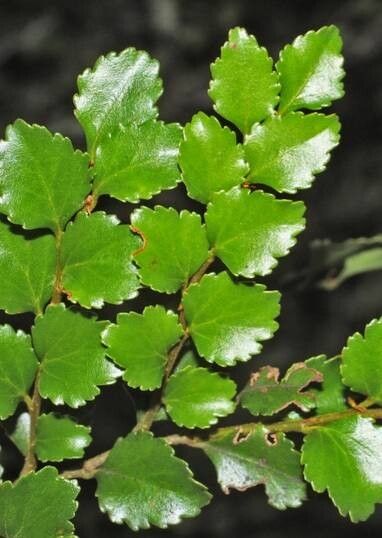
Propagating the Silver Beech: A Gardener’s Guide to Nothofagus menziesii
Nothofagus menziesii, commonly known as Silver Beech, is a majestic evergreen tree native to New Zealand. Its shimmering, silvery-grey bark, coupled with its elegant form and vibrant autumn foliage, makes it a highly sought-after specimen for gardens, particularly in regions with a cool, temperate climate. Its popularity among gardeners, however, is often tempered by the challenges involved in its propagation. While the reward of cultivating this stunning tree is significant, the process demands patience and a nuanced understanding of its specific requirements.
Seed Germination:
Seed germination is a viable method for propagating Nothofagus menziesii, but it presents significant challenges. The seeds have a relatively short viability period, and successful germination relies heavily on appropriate stratification and precise environmental controls.
Challenges: The primary challenge is overcoming seed dormancy. Seeds require a period of cold stratification to break dormancy before germination. This process mimics the natural winter conditions experienced by the seeds in their native environment. Inadequate stratification leads to poor or absent germination rates. Furthermore, fungal diseases can be a significant issue, especially in damp conditions.
Practical Tips: Collect seeds fresh from mature trees in autumn. Clean the seeds and sow them immediately in a well-draining seed-starting mix. Stratify the seeds by placing them in a moist medium (e.g., vermiculite or peat moss) in a refrigerator at 4°C (39°F) for approximately 8-12 weeks. Sow the stratified seeds in individual pots to prevent damaging delicate seedlings during transplanting. Maintain consistent moisture, but avoid overwatering, which can promote fungal growth. Provide bright, indirect light.
Rewards: Seed propagation offers the potential for significant genetic diversity, an advantage for establishing a more robust and adaptable population. It’s also a cost-effective method for large-scale propagation if successful.
Cuttings:
Currently, there are no known reliable methods for propagating Nothofagus menziesii from cuttings. The species’ tendency to readily produce suckers and root systems does not seem to translate into successful vegetative propagation.
Division:
Division is not a practical propagation method for Nothofagus menziesii. This tree develops a deep and extensive root system, making division extremely difficult and often severely damaging to the plant.
Tissue Culture:
Tissue culture offers a potential, albeit complex and specialized, method for propagating Nothofagus menziesii.
Challenges: Establishing sterile culture conditions and identifying appropriate media and growth regulators are crucial for success. This method requires specialized equipment, aseptic technique, and considerable horticultural expertise. The process is also relatively expensive and time-consuming.
Practical Tips: This isn’t a method for the home gardener. Successful tissue culture requires specialized laboratories and protocols.
Rewards: This method holds potential for the mass propagation of genetically identical plants, ensuring uniformity and consistency in the cultivated stock which is valuable for commercial purposes or conservation efforts.
Conclusion:
Propagating Nothofagus menziesii presents significant horticultural challenges, irrespective of the chosen method. While seed germination offers a pathway to genetic diversity, it demands precision and patience. Cuttings and division are not viable options. Though tissue culture offers a chance at large-scale, uniform propagation, it requires specialized resources and skills. The overall success rate relies heavily on meticulous attention to detail, appropriate environmental conditions, and a deep understanding of the species’ unique requirements.
However, the undeniable beauty and unique character of the Silver Beech make the effort worthwhile. The satisfaction of successfully nurturing a seedling from seed, or even witnessing the growth of a tissue-cultured plant, into a majestic tree is a deeply rewarding experience that transcends the challenges involved. For aspiring propagators, patience, resourcefulness, and the willingness to learn from both successes and failures are key to cultivating this impressive species. Remember to research and consult with experienced growers for best results.