
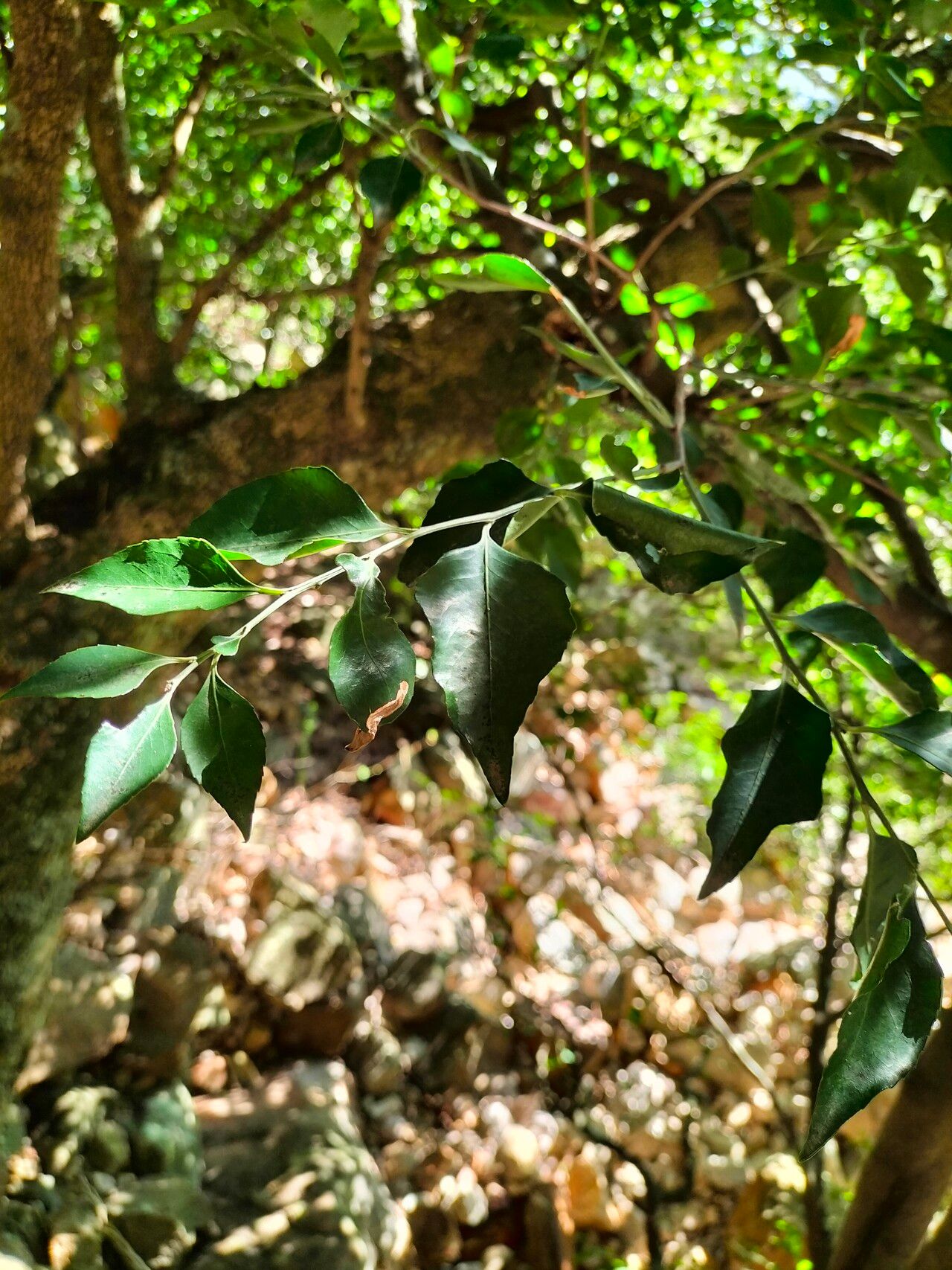
Propagating Scolopia mundii: A Gardener’s Guide to the Kei Apple
Scolopia mundii, commonly known as the Kei apple, is a striking, spiny shrub or small tree native to southern Africa. Its glossy, dark green leaves, attractive yellowish-green flowers, and edible (though tart) fruits make it a popular choice among gardeners seeking a drought-tolerant, low-maintenance landscape plant with interesting texture and seasonal appeal. Its unique characteristics and relative rarity contribute to its desirability, making propagation a rewarding, though sometimes challenging, endeavor.
Seed Germination:
Currently, there are no known reliable methods for seed germination propagation of Scolopia mundii. While seeds may be produced, their germination rate is reportedly very low, and successful germination hasn’t been consistently documented in horticultural literature. Further research is needed to determine if specific pre-treatment techniques (such as scarification or stratification) could improve germination success.
Cuttings:
Cuttings represent a more promising propagation method for Scolopia mundii.
Challenges: The relatively slow rooting rate of Scolopia mundii cuttings presents a significant hurdle. Success relies heavily on optimal conditions and careful technique.
Practical Tips: Semi-hardwood cuttings taken in late summer or early autumn, using a sharp, clean blade to prevent disease, have shown some promise. The cuttings should be treated with a rooting hormone before planting in a well-draining, moist medium such as a perlite and peat moss mix. Maintaining high humidity (using a propagator or plastic covering) and consistent warmth is crucial. Bottom heat can also significantly aid rooting.
Rewards: Cuttings offer a relatively straightforward approach to producing genetically identical plants, ensuring consistent traits in the offspring. This method is also suitable for smaller-scale propagation compared to other methods.
Division:
Division is generally not a viable method for propagating Scolopia mundii. The plant’s structure doesn’t readily lend itself to division, and attempts to sever established plants are likely to result in significant damage and low survival rates for the separated portions.
Tissue Culture:
Tissue culture offers the potential for large-scale and rapid propagation of Scolopia mundii.
Challenges: Establishing a successful tissue culture protocol for Scolopia mundii requires specialized knowledge, equipment, and sterile conditions. Finding the optimal medium and hormonal balance for shoot multiplication and root induction can be challenging and resource-intensive.
Practical Tips: Collaboration with a plant tissue culture laboratory or experienced horticulturalist would be necessary to implement this method.
Rewards: Tissue culture bypasses the limitations of seed germination and cuttings, allowing for rapid and consistent multiplication of genetically identical plants from a single parent plant. This method is ideal for large-scale commercial propagation or the preservation of rare or desirable cultivars.
Conclusion:
Propagating Scolopia mundii presents a range of challenges, with cuttings appearing to offer the most accessible, albeit still demanding, option for the home gardener. Seed germination remains largely unexplored, while division is generally unsuitable. Tissue culture, while ultimately offering the most efficient propagation, requires sophisticated technical expertise. Despite the difficulties, the satisfaction of successfully propagating this attractive and unique plant is immense. The patience and attention required are rewarded by the privilege of cultivating a beautiful and relatively rare species, a testament to your dedication as a gardener. Don’t be discouraged by initial setbacks. Persistent experimentation with cuttings, coupled with meticulous attention to detail, significantly increases your chances of success in growing more of these fascinating plants.