
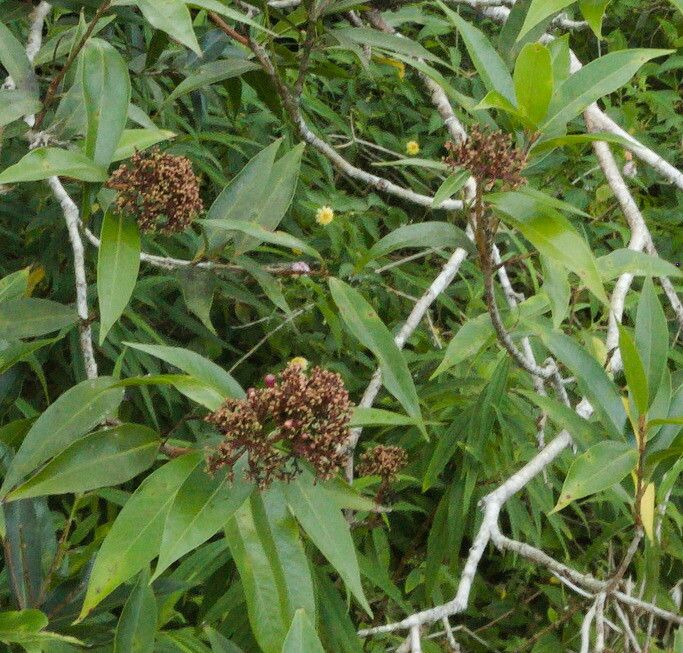
Propagating the Forest Elder: A Guide to Cultivating Nuxia verticillata
Introduction:
Nuxia verticillata, commonly known as Forest Elder or Waterblommetjiebos (Afrikaans), is a striking, evergreen shrub or small tree valued for its attractive, fragrant, creamy-white flowers and dark green foliage. Its popularity among gardeners stems from its relatively easy cultivation, tolerance of a range of conditions, and the profusion of nectar-rich blooms that attract birds and insects. However, while readily available as mature plants, propagation can present certain challenges, making successful cultivation all the more rewarding. This article explores various propagation methods for Nuxia verticillata, weighing their pros and cons.
Seed Germination:
Currently, there are no known reliable methods for seed germination propagation of Nuxia verticillata. While seeds may be produced, germination rates are extremely low, and successful seedling establishment is infrequently reported. Further research into specific germination requirements (such as scarification or stratification techniques) is needed to determine the feasibility of this method.
Cuttings:
Cuttings offer a more reliable method for propagating Nuxia verticillata.
Challenges: Rooting can be slow and inconsistent, requiring patience and attention to detail. The success rate depends heavily on factors such as the type of cutting (softwood, semi-hardwood, hardwood), the time of year, and the rooting medium used.
Practical Tips: Semi-hardwood cuttings taken in late spring or early summer generally show the best results. Cuttings should be approximately 10-15cm long, with the lower leaves removed to prevent rotting. A rooting hormone can significantly improve success rates. Plant the cuttings in a well-draining mix of perlite and peat moss, keeping the medium consistently moist but not waterlogged. High humidity, provided by a propagation dome or plastic bag, is crucial.
Rewards: Cuttings offer a simple method to clone a desirable plant, preserving its specific characteristics. This method is relatively quick, producing plants ready for transplanting within a few months.
Division:
Division is generally not a practical method for propagating Nuxia verticillata. This plant doesn’t naturally produce readily separable suckers or offsets making division unreliable.
Tissue Culture:
Tissue culture offers the potential for large-scale propagation of Nuxia verticillata, overcoming the limitations of other methods.
Challenges: This technique requires specialized equipment, sterile conditions, and technical expertise. It can be a costly and time-consuming process, demanding a significant investment in facilities and skilled personnel.
Practical Tips: Successful tissue culture requires meticulous attention to detail in preparing the explant, selecting the appropriate growth media, and maintaining a sterile environment. Established protocols for other species may offer a starting point, but optimization for Nuxia verticillata may require experimentation.
Rewards: Tissue culture allows for rapid multiplication of genetically identical plants, ensuring uniformity and high-quality planting material for large-scale landscaping or commercial ventures.
Conclusion:
Propagating Nuxia verticillata presents unique challenges, with seed germination proving unreliable and division impractical. Cuttings offer a relatively straightforward, though sometimes inconsistent, method for home gardeners. Tissue culture provides the highest potential for large-scale propagation but requires specialized knowledge and resources. The key to successful propagation lies in meticulous attention to detail, patience, and a willingness to experiment with different techniques. The reward, however, is immense: the satisfaction of nurturing a cutting into a thriving, fragrant shrub, or the thrill of achieving successful tissue culture propagation, is a testament to the dedication and skill involved in cultivating this beautiful plant. Don’t be discouraged by initial setbacks – with perseverance, even the most challenging propagation methods can yield rewarding results.