
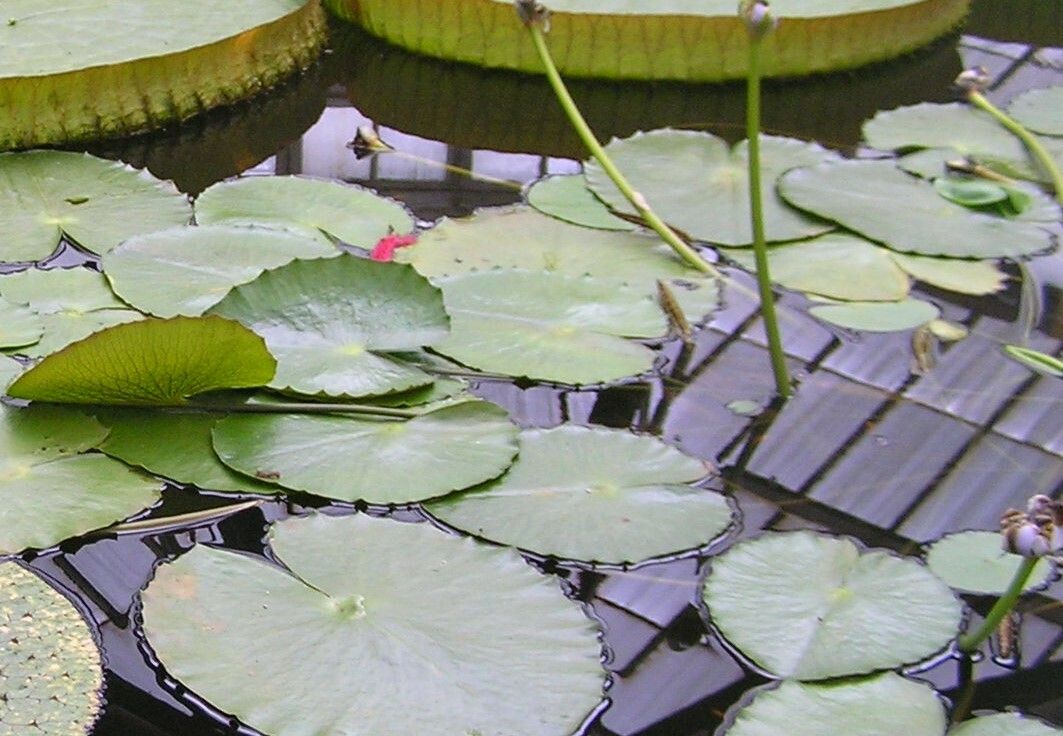
Taming the Giant: Propagating the Magnificent Nymphaea Gigantea
The Nymphaea gigantea, also known as the Giant Water Lily, is a showstopper in any water garden lucky enough to host it. Its enormous, platter-like leaves, reaching up to six feet in diameter, and its exquisite, fragrant, star-shaped flowers are a sight to behold. If you’re dreaming of adding this majestic aquatic beauty to your own pond, understanding how to propagate it is key.
While admiring these giants in botanical gardens might seem like a distant dream, propagating Nymphaea gigantea is surprisingly achievable for dedicated enthusiasts. Let’s dive into the two main methods:
1. Seed Propagation: A Rewarding Challenge
For those who love a challenge and the magic of witnessing life sprout from scratch, propagating Nymphaea gigantea from seed is incredibly rewarding. Here’s how:
- Collecting Seeds: After your lily blooms, patiently wait for the seed pod to mature. You’ll know it’s ready when it softens and starts to break down. Carefully collect the seeds and rinse them thoroughly.
- Sowing the Seeds: The key to success lies in replicating the natural environment. Fill small pots with clay loam and a sprinkle of aquatic plant fertilizer. Place one seed per pot, gently pressing it into the soil.
- Submerging the Pots: Choose a sunny location in your pond with shallow water, no more than 6 inches deep. Submerge the pots entirely, ensuring they receive ample sunlight.
- Patience is Key: Germination can take anywhere from a few weeks to a couple of months. Once your seedlings sprout a few leaves, you can gradually move them to deeper water.
2. Division: A Quicker Route to Stunning Blooms
If you’re looking for a faster and more reliable method, division is the way to go. This is best done in spring when your lily is just starting to show signs of new growth:
- Carefully Remove the Rhizome: Gently dig out the rhizome, taking care not to damage it. A garden fork is a helpful tool for this.
- Identify and Separate Tubers: Look for healthy tubers with at least one growing point (“eye”). Using a clean, sharp knife, carefully divide the rhizome, ensuring each section has a tuber and growing point.
- Potting the Divisions: Plant each division in a separate pot filled with heavy clay loam and aquatic plant fertilizer. Position the tuber horizontally with the growing point facing upwards.
- Submerge and Wait: Place the pots in shallow water, gradually increasing the depth as your new lilies grow.
Tips for Success:
- Sunlight is Crucial: Nymphaea gigantea thrive in full sun, requiring at least 6 hours of direct sunlight daily.
- Nutrient-Rich Environment: Choose a fertilizer specifically designed for aquatic plants and follow the instructions carefully. Avoid over-fertilizing, as it can lead to algae growth.
- Pest and Disease Control: Keep an eye out for common pond pests like aphids and snails. Treat infestations promptly to protect your lilies.
Propagating Nymphaea gigantea, while requiring patience and dedication, is an achievable goal for any passionate gardener. By following these tips and techniques, you can soon have your very own breathtaking display of these aquatic giants, transforming your pond into a captivating oasis.