
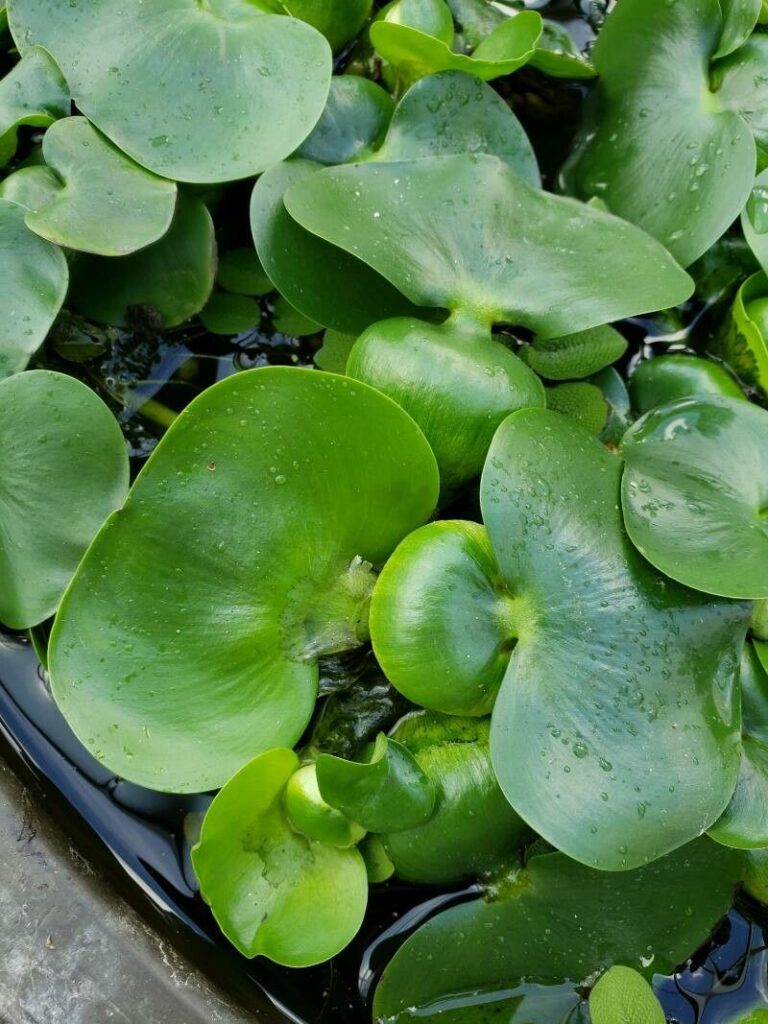
Unlocking the Secrets of Blue Water Lily Propagation: How to Multiply Your Nymphaea Nouchali
The Blue Water Lily, scientifically known as Nymphaea nouchali, is a sight to behold. Its stunning star-shaped flowers in hues of blue, purple, or white, gracefully floating atop tranquil water, are a mesmerizing addition to any pond or water garden. Have you ever watched your own Blue Water Lily thriving and thought, “I want more of this beauty?” Well, you’re in luck! Propagating Nymphaea nouchali is achievable and rewarding. Let’s dive into the different methods of multiplying these aquatic gems.
Understanding the Basics
Before we delve into the specifics, it’s helpful to understand how Nymphaea nouchali naturally reproduces. These elegant plants utilize two primary methods:
-
Seeds: Following pollination, the flowers develop seed pods that eventually release seeds into the water. While this is a natural process, growing Blue Water Lilies from seed can be a bit challenging for beginners and might not always yield plants identical to the parent.
- Rhizome Division: Now, this is where things get interesting for propagation enthusiasts. The rhizome is a thick, horizontal stem that grows beneath the soil in the pond’s bottom. Think of it as the plant’s energy center, producing new shoots and roots. Dividing this rhizome is the most reliable way to propagate Nymphaea nouchali.
Method 1: Rhizome Division – The Go-To Technique
- Timing is Key: The ideal time for rhizome division is during the active growing season, typically spring or early summer.
- Gentle Removal: Carefully remove the plant from the pond or container. It’s okay to hose off excess soil to get a clear view of the rhizome.
- Identify Growth Points: Look for healthy sections of the rhizome with prominent “eyes” or growth points. These look like small, pointed buds.
- Divide with Care: Using a sharp, clean knife or pruning shears, divide the rhizome into sections. Ensure each section has at least one healthy growth point and a good amount of root system.
- Replanting: Prepare pots or designated areas in your pond with heavy clay soil specifically designed for aquatic plants. Plant the divided rhizome sections horizontally, ensuring the growth point is facing upwards, slightly exposed above the soil.
- Patience is a Virtue: Place the newly potted divisions in shallow water, gradually increasing the depth as they begin to establish themselves and show new growth.
Method 2: Seed Propagation – An Adventure for the Patient Gardener
- Harvesting Seeds: Collect mature seed pods from your Blue Water Lily after they finish flowering. Allow the pods to dry and split open naturally, revealing the small, black seeds within.
- Nicking and Soaking: Lightly nick the seed coats with a nail clipper. This helps water penetrate and encourages germination. Soak the seeds in a cup of distilled water for 24-48 hours.
- Sowing Time: Fill small pots with aquatic soil and submerge them in shallow water. Sow a few seeds per pot, gently pressing them into the soil.
- Creating a Mini Pond: To maintain humidity, cover the pots with clear plastic wrap or create a mini greenhouse effect. Place them in a warm, bright location but out of direct sunlight.
- Transplanting: Once the seedlings develop a few leaves and a strong root system, they are ready to be transplanted into larger pots or their designated spots in your pond.
Caring for Your New Water Lily Offspring
Regardless of the propagation method, providing the right environment is crucial for success:
- Sunlight: Blue Water Lilies thrive in full sun to partial shade (at least 6 hours of sunlight is ideal).
- Water Quality: Regularly monitor the water quality in your pond or container. Ensure it’s clean and free from excessive algae buildup.
- Fertilization: Use aquatic plant fertilizers to provide essential nutrients, especially during the growing season.
Propagating your Nymphaea nouchali is a deeply fulfilling experience. It allows you to multiply these living masterpieces, adding more tranquility and beauty to your water garden, and even sharing the joy with fellow plant enthusiasts!