
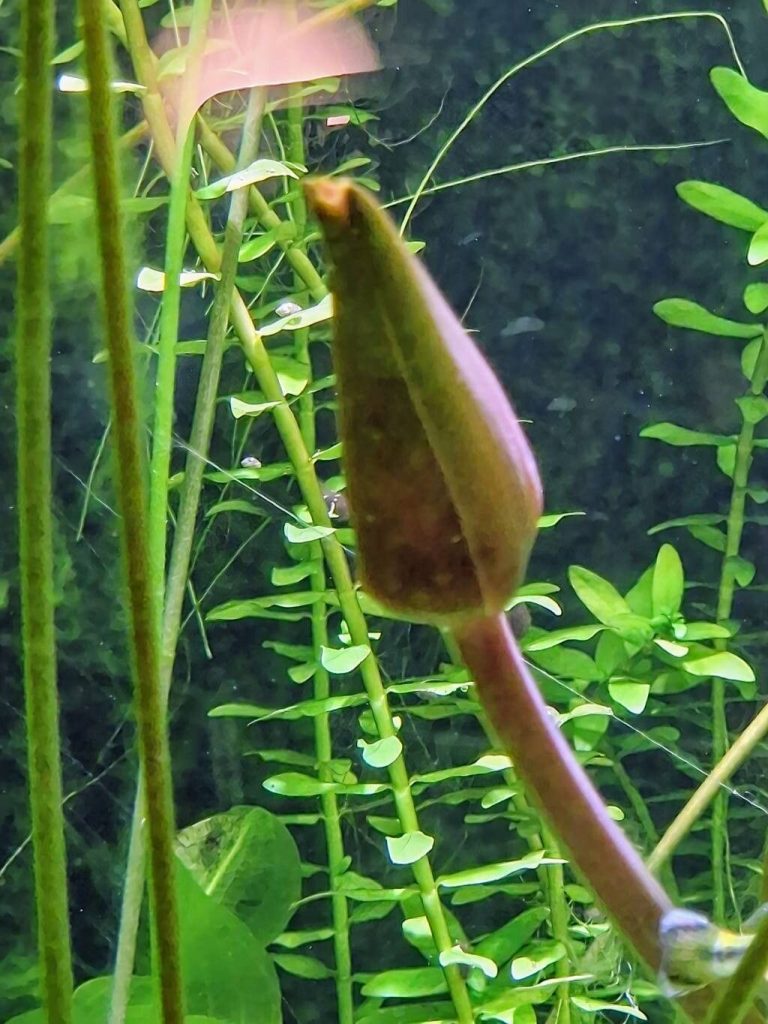
Propagating the Tiger Lotus: Unveiling the Secrets of Nymphaea rudgeana
Nymphaea rudgeana, commonly known as the Tiger Lotus, is a captivating aquatic plant prized for its striking variegated leaves—a captivating blend of green and reddish-brown blotches resembling tiger stripes. This beauty makes it a highly sought-after addition to water gardens and aquariums. While its stunning appearance is readily appreciated, propagating this tropical waterlily presents unique challenges. This article explores various methods of propagation, outlining their viability and providing practical advice for enthusiasts.
Seed Germination:
Currently, there are no known reliable methods for seed germination propagation of Nymphaea rudgeana. While the plant does produce seeds, their germination rate is extremely low and unpredictable under typical horticultural conditions. Further research is needed to determine optimal germination protocols, potentially including specific temperature and light requirements, as well as the use of growth hormones. The challenges lie in the delicate nature of the seeds and the plant’s specific requirements for successful germination, which aren’t currently well understood.
Cuttings:
Propagating Nymphaea rudgeana from cuttings is also not a viable method. The plant does not readily produce stem cuttings suitable for propagation. Attempts at rooting stem sections have generally been unsuccessful, possibly due to the plant’s specific growth habit and its requirement for submersion in water.
Division:
Division is the most reliable and commonly used method for propagating the Tiger Lotus. This involves separating the rhizome (underground stem) into several smaller sections, each containing a healthy growing point and sufficient roots.
Challenges: Dividing the rhizome requires careful handling to avoid damaging the delicate roots and growing points. Improper division may lead to the death of the plant sections. Successfully dividing a rhizome requires a degree of experience and careful observation for healthy sections.
Practical Tips: The best time for division is during the plant’s active growing season. Use a sharp, clean knife or shears to separate the rhizome into sections, ensuring each section retains at least one or two healthy leaves and a substantial root system. Plant each section individually in a suitable pot filled with aquatic soil.
Rewards: Division ensures the propagation of genetically identical plants, which is particularly advantageous if you already have a particularly vibrant or healthy specimen. It is also a relatively straightforward method, offering quicker results than other potentially viable, but as-of-yet undiscovered, methods.
Tissue Culture:
Tissue culture presents a potential, albeit advanced, method for propagating Nymphaea rudgeana. It offers the possibility of large-scale propagation and the production of disease-free plants.
Challenges: Tissue culture requires specialized equipment, a sterile environment, and technical expertise in plant tissue culture techniques. Establishing a suitable protocol for Nymphaea rudgeana might require significant experimentation.
Practical Tips: For this method, consultation with a professional plant tissue culture laboratory is essential. They can guide you on suitable media, sterilization techniques, and growth conditions.
Rewards: Successful tissue culture allows for the creation of numerous identical plants from a small amount of starting material, facilitating large-scale cultivation and the preservation of rare or desirable genotypes.
Conclusion:
Propagating Nymphaea rudgeana presents unique hurdles. While seed germination and cuttings are currently not viable methods, division offers a reliable means of propagation for the keen gardener. Tissue culture represents a potentially high-yield but highly specialized approach. The challenges inherent in each method highlight the unique satisfaction derived from successfully cultivating this stunning plant. The rewards—whether the expansion of your own water garden or the contribution to the wider appreciation of this lovely plant—make the effort worthwhile. For aspiring propagators, patiently learning the nuances of rhizome division, coupled with careful observation and attentive care, is the most realistic path to success.