
Cracking the Cactus Code: Unlocking the Secrets to Propagating Obregonia denegrii
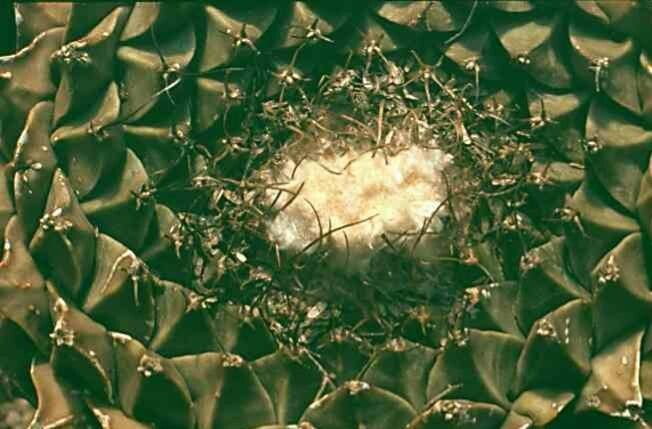
The Obregonia denegrii, affectionately nicknamed the “Artichoke Cactus” for its unique, spineless appearance, is a captivating addition to any succulent enthusiast’s collection. Unlike its prickly cousins, this slow-growing Mexican native charms with its geometric beauty and unusual form. But its rarity and the challenges associated with propagation often leave aspiring owners wondering: How on earth do you multiply this botanical marvel?
Fear not, intrepid plant parent! While propagating Obregonia denegrii might seem like deciphering ancient glyphs, with a bit of patience and the right knowledge, you too can unlock the secrets to expanding your Artichoke Cactus family.
Seed Starting: A Test of Patience and Precision
The most common – and arguably most rewarding – way to propagate Obregonia denegrii is by seed. However, be prepared for a long and meticulous journey. Here’s a step-by-step guide:
- Source Fresh Seeds: Purchasing seeds from reputable suppliers is crucial, as Obregonia denegrii seeds have a notoriously short shelf life.
- Prepare a Well-Draining Mix: Opt for a specialized cactus and succulent potting mix or create your own by combining equal parts perlite, pumice, and coarse sand.
- Sow Seeds Shallowly: Lightly press the seeds onto the surface of the moistened potting mix, ensuring they are not buried.
- Create a Humid Environment: Cover the container with a clear plastic wrap or a humidity dome to trap moisture and simulate a greenhouse effect.
- Provide Consistent Warmth and Light: Place the container in a brightly lit area, avoiding direct sunlight, with temperatures around 70-75°F (21-24°C).
- Practice Patience: Germination can take anywhere from a few weeks to several months. Once seedlings emerge, gradually acclimate them to lower humidity levels.
Offset Division: A Rare but Welcome Occurrence
While Obregonia denegrii are not known for producing offsets (also known as “pups”) frequently, they can occasionally surprise you with these miniature clones. Here’s how to handle them:
- Identify a Mature Offset: Look for offsets that are at least 1/3 the size of the parent plant and have developed their own root system.
- Separate Carefully: Using a clean, sharp knife, carefully detach the offset from the parent plant, ensuring you minimize damage to both.
- Allow for Callusing: Let the cut surface of the offset dry and callus for a few days before planting.
- Pot and Treat as an Adult: Plant the offset in a well-draining cactus mix and water sparingly, allowing the soil to dry out completely between waterings.
Challenges and Tips for Success:
- Rot is the Enemy: Overwatering is the biggest threat to Obregonia denegrii at all stages. Employ a “less is more” approach to watering.
- Patience is Key: Don’t be discouraged by slow growth. These cacti thrive on patience and will reward you with their unique beauty in time.
- Proper Lighting is Crucial: Adequate light is essential for healthy growth and preventing etiolation (stretching).
Propagating Obregonia denegrii is a journey that requires dedication and a gentle touch. But the rewards are well worth the effort. With a dash of patience and the right techniques, you can unlock the secrets of this fascinating cactus and watch your very own colony of “Artichokes” flourish.