
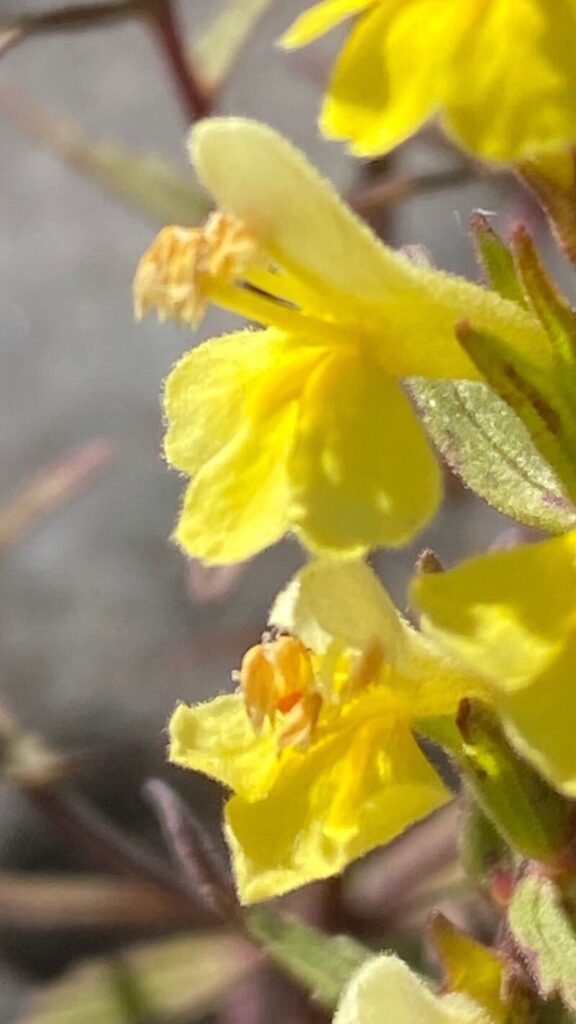
Taming the Wildflower: Propagating the Elusive Red Bartsia (Odontites hollianus)
The Red Bartsia, also known as Odontites hollianus, might not be as familiar as roses or sunflowers, but this captivating wildflower holds a unique charm. Native to specific regions of Europe, its vibrant red blooms and slender physique bring a touch of delicate beauty to grasslands and meadows. If you’re looking to invite a piece of this wild charm into your garden, propagating Odontites hollianus can be a rewarding, albeit slightly challenging, endeavor.
Understanding the Red Bartsia
Before delving into propagation, it’s crucial to understand this unique plant. Odontites hollianus is a hemiparasitic annual, meaning it relies partially on other plants for sustenance. It attaches itself to the roots of neighboring plants, drawing water and nutrients. While this might seem like a disadvantage, it actually allows the Red Bartsia to thrive in nutrient-poor soils where other plants struggle.
Seeds: The Gateway to Propagation
The most effective method for propagating Odontites hollianus is through its seeds. However, sourcing these seeds can be tricky. Here are a few avenues to explore:
- Seed Exchanges: Online or local seed exchange platforms often have enthusiasts offering seeds from a wide variety of plants, including lesser-known species like the Red Bartsia.
- Wild Collection (With Caution): If you’re fortunate enough to live near a Red Bartsia population, you can collect seeds yourself. Ensure you have permission if on private land and collect responsibly, leaving some seeds behind to ensure the wild population’s sustainability.
- Specialty Nurseries: Some nurseries specializing in wildflowers or native plants might carry Odontites hollianus seeds.
Sowing the Seeds
Once you’ve obtained seeds, follow these steps for successful propagation:
- Prepare the Soil: Odontites hollianus prefers well-draining, sandy soil. You can mimic its natural environment by creating a seedbed with a mix of sand, loam, and a bit of gravel.
- Sowing Time: Fall is the best time to sow Red Bartsia seeds. This allows them to experience natural winter stratification, which breaks their dormancy.
- Sowing Depth: Lightly press the seeds into the soil surface, ensuring they receive adequate light for germination.
- Patience is Key: Germination can be erratic and might take several weeks. Maintain consistent moisture in the seedbed but avoid overwatering.
Growing On: Providing the Right Conditions
- Sunlight: Choose a sunny location for your Red Bartsia. While it tolerates some shade, ample sunlight promotes healthy growth and vibrant blooms.
- Companion Plants: Remember the Red Bartsia’s hemiparasitic nature. Plant it near suitable host plants like grasses or legumes. Avoid aggressive spreaders that might outcompete your Red Bartsia.
- Low Maintenance Care: Once established, Odontites hollianus requires minimal watering, except during extended dry spells. Avoid fertilizers, as they can negatively impact its growth.
Reaping the Rewards
Successfully propagating Odontites hollianus allows you to play a role in preserving this captivating wildflower. Its brilliant red blooms, lasting throughout summer, will not only add a unique touch to your garden but also attract pollinators, enhancing biodiversity in your backyard. While it requires some patience and understanding of its unique needs, the reward of seeing these vibrant blooms makes the effort worthwhile.