
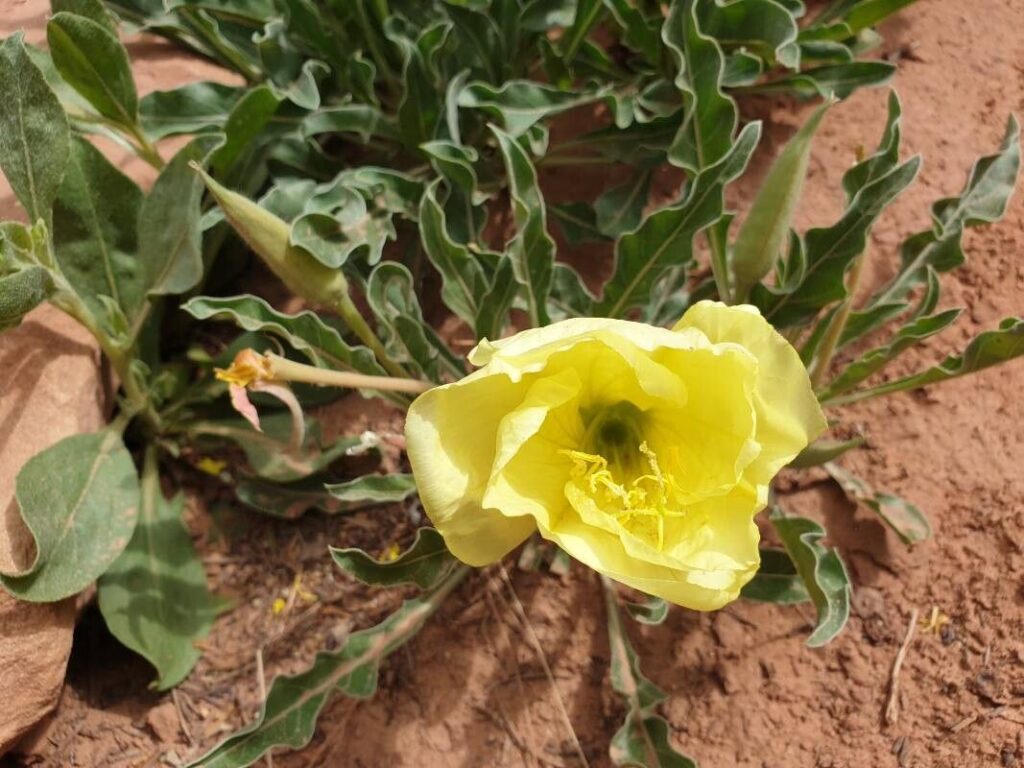
Unlocking the Secrets of Howard’s Evening Primrose: A Guide to Propagation
Howard’s evening primrose (Oenothera howardii) is a captivating plant with its large, cheerful yellow blooms that grace the landscape in the evening hours. This rare beauty, native to the southwestern United States, can be a stunning addition to your garden, attracting pollinators and adding a touch of wild charm.
If you’re lucky enough to have access to this plant, you might wonder how to propagate it and share its beauty. While it sounds intimidating, propagating Howard’s evening primrose is achievable for gardeners of all experience levels. This guide will delve into the two most effective methods:
Method 1: Seed Propagation
- Seed Collection: Howard’s evening primrose produces small, brown seeds within its capsules. Collect seeds in late summer or early fall when the capsules have turned brown and are starting to split open.
- Cold Stratification: For successful germination, these seeds need a period of cold, moist storage, mimicking natural winter conditions. Place the seeds between damp paper towels in a sealed plastic bag and store them in your refrigerator for 6-8 weeks.
- Sowing: Once the cold stratification period is complete, sow the seeds in seed trays or pots filled with a well-draining seed starting mix about ¼ inch deep.
- Light & Water: Choose a bright location out of direct sunlight. Keep the soil consistently moist but not soggy.
- Transplanting: Seedlings should emerge in a few weeks. Once they have developed a couple of sets of true leaves, they are ready to be transplanted into larger pots or directly into your garden after the last frost.
Method 2: Root Cuttings
Taking root cuttings is another viable way to propagate Howard’s evening primrose, especially useful if you want to be sure of the offspring’s characteristics:
- Timing: Early spring is the ideal time for taking root cuttings, just before new growth emerges.
- Preparation: Using a clean, sharp knife or pruning shears, take cuttings about 3-4 inches long from healthy, established plants. Each cutting should contain a portion of the root crown, the area where the roots meet the stem.
- Planting: Dip the cut end of the cutting in rooting hormone (optional but beneficial) and then plant it in a pot filled with a well-draining potting mix. Ensure the root crown is slightly below the soil surface.
- Environment: Maintain a warm, humid environment by covering the pot with a plastic bag or placing it in a propagator. Keep the soil consistently moist.
- New Growth: Roots should develop within a few weeks. Once you see new growth emerging, you can gradually acclimate the cutting to regular outdoor conditions.
Tips for Success:
- Well-draining soil: Howard’s evening primrose needs good drainage to thrive. Amend heavy clay soils with sand or gravel to improve drainage.
- Sun Exposure: This plant prefers full sun to partial shade. Aim for at least six hours of direct sunlight daily.
- Watering: Water deeply and less frequently, allowing the soil to dry slightly between waterings.
Propagating Howard’s evening primrose is a rewarding endeavor that allows you to expand your garden and share the joy of this unique plant with others. Don’t be afraid to experiment with both seed and root cutting propagation – finding the method that works best for you is part of the fun! With a little patience and care, you can enjoy the captivating beauty of Howard’s evening primrose for years to come.