
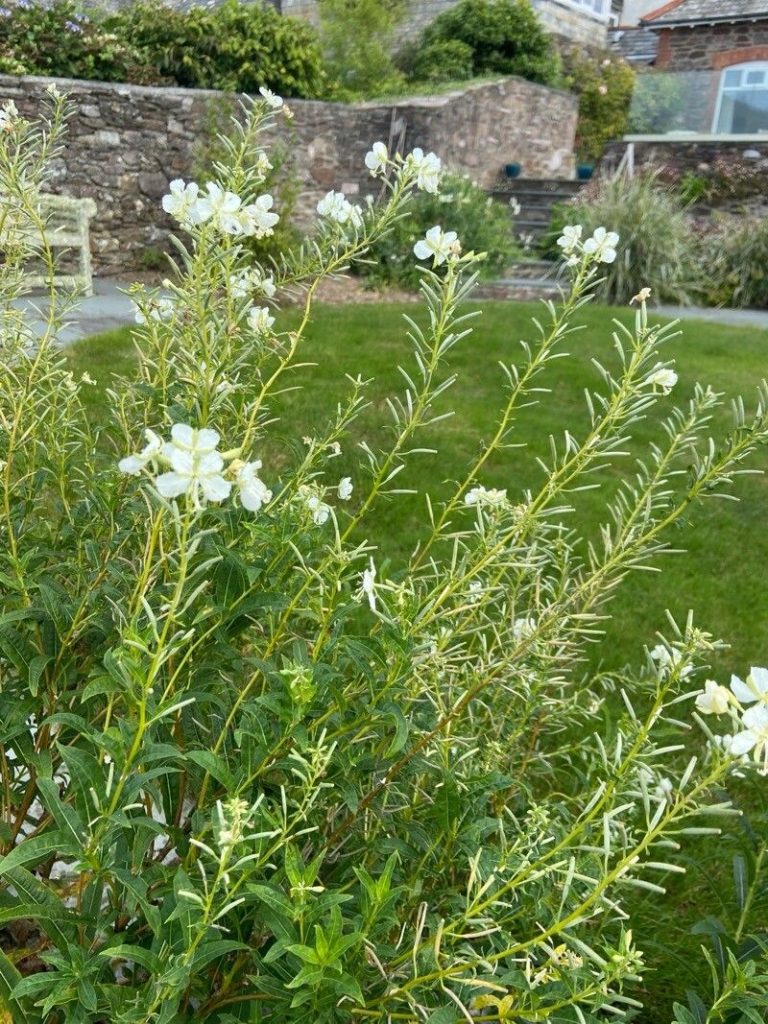
Propagating Nuttall’s Evening Primrose (Oenothera nuttallii): A Gardener’s Guide
Introduction:
Oenothera nuttallii, commonly known as Nuttall’s evening primrose, is a charming wildflower prized for its vibrant yellow blooms that open in the late afternoon and evening, releasing a delicate fragrance. This relatively low-maintenance plant is popular among gardeners for its adaptability to various soil types and its ability to attract pollinators. Its ease of cultivation is somewhat counterbalanced by the challenges it presents in propagation, making successful propagation a rewarding experience. Unique to its propagation is its tendency towards easy self-seeding in ideal conditions, but controlled propagation methods require more specialized knowledge.
Seed Germination:
Seed germination is a viable method for propagating Oenothera nuttallii, although it presents some challenges. The seeds possess a degree of dormancy, benefitting from stratification to break this dormancy.
Challenges: Inconsistent germination rates can occur if seeds are not properly stratified. Freshly collected seeds often germinate more readily than older ones.
Practical Tips: For optimal germination, sow seeds outdoors in autumn or stratify them in the refrigerator for 4-6 weeks at temperatures between 3-5°C (37-41°F) before sowing. Use a well-draining seed-starting mix and sow seeds at a depth of about twice their diameter. Maintain consistent moisture but avoid overwatering, which can lead to fungal diseases. Direct sowing in the garden is often successful in areas with appropriate climates.
Rewards: Seed propagation offers the possibility of increased genetic diversity within a population. It also allows for large-scale propagation, suitable for establishing larger plantings or for sharing with other gardeners.
Cuttings:
Currently, there are no known reliable methods for propagation of Oenothera nuttallii from cuttings. The plant does not readily root from stem or leaf cuttings.
Division:
Division is a relatively successful method for propagating established Oenothera nuttallii plants.
Challenges: Division is only possible with mature, well-established plants. Damaging the root system during division can lead to plant failure.
Practical Tips: The best time to divide is in early spring or autumn. Carefully dig up the plant, gently separate the root crown into smaller sections, ensuring each section has sufficient roots and foliage. Replant the divisions immediately in well-prepared soil, ensuring adequate watering until established.
Rewards: Division is a quick and efficient method for increasing the number of plants, especially useful for maintaining desirable characteristics in a specific cultivar.
Tissue Culture:
Tissue culture propagation of Oenothera nuttallii is possible, though it requires specialized laboratory equipment and expertise.
Challenges: Tissue culture is a complex and expensive method, requiring sterile conditions and specialized media. Success depends on careful attention to detail and experience with plant tissue culture techniques.
Practical Tips: Sterile techniques are crucial. The use of appropriate growth hormones and media formulations tailored for Oenothera species is essential for successful shoot proliferation and rooting.
Rewards: Tissue culture offers the possibility of mass propagation of superior plants, disease-free stock, and the preservation of rare or endangered genotypes.
Conclusion:
Propagating Oenothera nuttallii presents distinct challenges depending on the chosen method. While seed germination is viable, requiring careful attention to stratification, division presents a more straightforward albeit limited approach for mature plants. Cuttings and tissue cultures are presently unreliable and challenging, respectively. The rewards of successful propagation, however, are well worth the effort. The joy of nurturing a tiny seed into a blooming plant or successfully dividing a mature specimen to share its beauty cannot be overstated. The satisfaction lies not only in the resulting abundance of flowers but also in the mastery of the propagation techniques themselves. For aspiring propagators of this lovely species, patience, careful observation, and a willingness to learn from successes and failures will undoubtedly lead to rewarding results.