
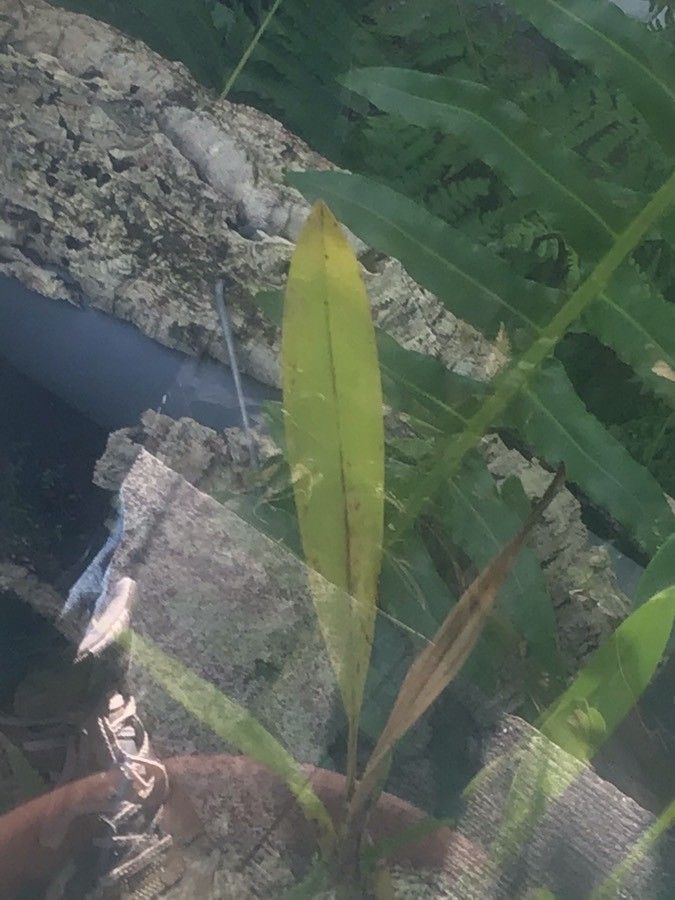
Propagating the Charming Oncidium × hinnus: A Gardener’s Guide
Oncidium × hinnus, also known as the “Dancing Lady Orchid” due to its gracefully arching inflorescences bearing numerous small, often spotted flowers, is a popular orchid hybrid prized for its prolific blooming and relatively easy care. Its cheerful flowers and long bloom periods make it a favorite among orchid enthusiasts of all levels. However, propagating this beautiful orchid can present some unique challenges. This guide explores various propagation methods, highlighting their feasibility and potential pitfalls.
Seed Germination:
Currently, there are no known reliable methods for seed germination propagation of Oncidium × hinnus. Orchid seeds are notoriously tiny and lack endosperm (food reserves), requiring a symbiotic relationship with specific mycorrhizal fungi for germination. Establishing this symbiotic relationship in a controlled environment is highly challenging, even for experienced orchid growers. While germination might be theoretically possible under sterile laboratory conditions, it’s impractical for the home hobbyist.
Cuttings:
Cuttings are not a viable method for propagating Oncidium × hinnus. Unlike some other plants, orchids do not readily regenerate from stem or leaf cuttings. The specialized growth pattern and physiology of orchids prevent the formation of adventitious roots and shoots from detached segments.
Division:
Division is the most common and successful method for propagating Oncidium × hinnus. This involves separating mature plants into smaller divisions, each containing several pseudobulbs and roots.
- Challenges: Dividing the plant too aggressively can weaken or kill the parent plant and the divisions. Ensuring each division has a sufficient root system is crucial for survival.
- Tips: Divide the plant during or immediately after the blooming season when new growth is starting. Use a sharp, sterilized knife to avoid damaging the pseudobulbs. Repot each division into a well-draining orchid potting mix, ensuring the base of the pseudobulbs is slightly above the soil surface. Water sparingly until new growth appears.
- Rewards: Division allows for rapid multiplication of established plants, preserves the genetic characteristics of the parent plant, and is relatively straightforward for experienced orchid growers.
Tissue Culture:
Tissue culture is a viable, albeit complex, method for propagating Oncidium × hinnus on a larger scale. This technique involves growing orchid plantlets from small sections of tissue in a sterile laboratory environment using nutrient-rich media.
- Challenges: Tissue culture requires specialized equipment, sterile conditions, and expertise in plant tissue culture techniques. Contamination is a major risk, and even minor mistakes can lead to significant losses. This is definitely not a beginner-friendly method.
- Tips: This process is best left to professionals or experienced hobbyists with access to a laboratory setting and the necessary sterile techniques and media.
- Rewards: Tissue culture can produce a large number of genetically identical plants quickly and efficiently, providing opportunities for mass production and conservation efforts.
Conclusion:
Propagating Oncidium × hinnus presents a unique set of challenges. While seed germination and cuttings are not practical methods, division offers a reliable technique for home growers to increase their plant collection. Tissue culture remains an option for larger-scale propagation, but its complexity necessitates specialized knowledge and resources.
The satisfaction gained from successfully propagating a Dancing Lady Orchid, especially through division, is immense. Overcoming the hurdles involved and nurturing a new plant from a small division to a blooming specimen is hugely rewarding. For those aspiring to propagate this exquisite orchid, start with mastering the art of division. It is a journey well worth undertaking for the pleasure of sharing the beauty of Oncidium × hinnus with others.