
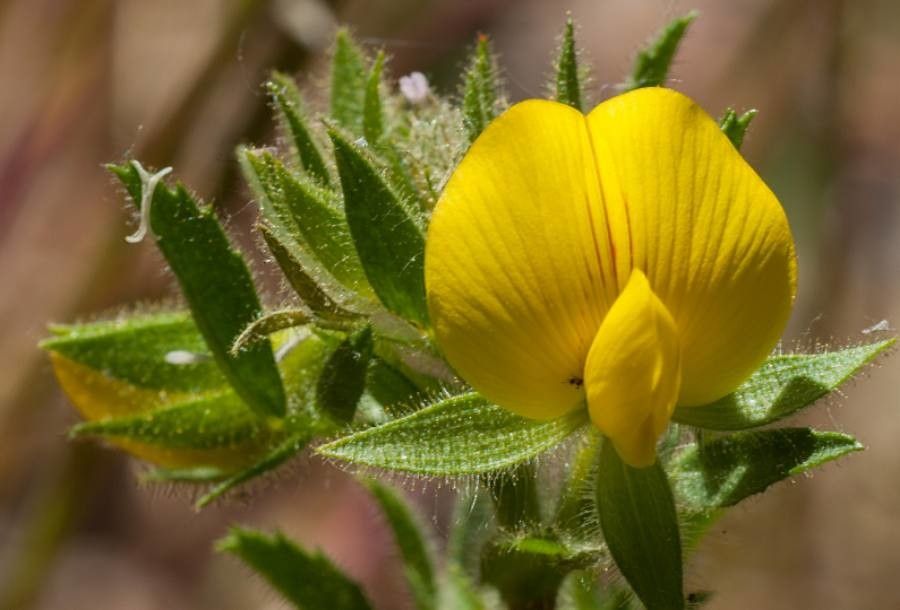
Propagating Ononis pubescens: A Gardener’s Guide to the Hairy Restharrow
Ononis pubescens, commonly known as the hairy restharrow, is a charming and somewhat elusive perennial boasting attractive pink or purple flowers and softly hairy foliage. Its drought-tolerance and adaptability to poor soils make it a desirable addition to rock gardens, wildflower meadows, and other low-maintenance landscapes. While not widely cultivated compared to other flowering perennials, its unique characteristics and resilience pique the interest of many gardeners. However, propagating this species presents some intriguing challenges, making its successful cultivation all the more rewarding.
Seed Germination:
Currently, there are no known reliable methods for seed germination propagation of Ononis pubescens. While seeds may be produced, germination rates are extremely low, even under optimal conditions. Extensive research would be required to determine if specific pre-treatments (such as scarification or specific stratification regimes) could improve germination success. The challenges likely stem from seed dormancy mechanisms tailored to specific environmental triggers not easily replicated in garden settings.
Cuttings:
Propagating Ononis pubescens via cuttings offers a more promising approach compared to seed germination.
Challenges: The success rate can still be variable. Softwood cuttings taken in spring or early summer are preferable. High humidity and bottom heat are crucial to promote rooting.
Practical Tips: Take 4-6 inch cuttings from non-flowering stems, removing lower leaves to prevent rot. Dip the cut ends in rooting hormone before planting in a well-draining mix (e.g., perlite and peat moss). Cover with a clear plastic dome or propagator to maintain high humidity. Mist regularly and keep the mix consistently moist, but not waterlogged.
Rewards: Compared to seed propagation, cuttings offer a faster and more reliable method, ensuring the retention of desirable traits from the parent plant. It’s well-suited for smaller-scale propagation for personal gardens.
Division:
Division is another potential method, particularly for established plants.
Challenges: Ononis pubescens may not readily produce sufficient rhizomes or root systems suitable for division. Rough handling can easily damage roots and impact the success of separated clumps.
Practical Tips: Division is best undertaken in spring or autumn when the plant is less actively growing. Carefully dig up the entire plant, and gently separate larger, well-established sections, ensuring each division has a healthy portion of roots and shoots. Replant immediately in well-prepared soil.
Rewards: Division allows for relatively quick expansion of established plants with a high probability of success, if done correctly.
Tissue Culture:
Tissue culture presents a possibility for large-scale propagation, but it remains largely unexplored for this specific species.
Challenges: Establishing appropriate protocols for Ononis pubescens would require considerable research and specialized laboratory facilities, including media formulation and sterilisation techniques. The success rate and cost-effectiveness remain to be determined.
Practical Tips: This propagation method is not practical for home gardeners and requires specialized knowledge and equipment.
Rewards: The potential reward is the ability to produce a large number of genetically identical plants that are disease-free and can be distributed quickly and widely.
Conclusion:
Propagating Ononis pubescens presents unique challenges, with seed germination proving unreliable and division having limited applicability. Cuttings offer the most practical method for the home gardener, though success still depends on skillful technique and attention to detail. While tissue culture offers possibilities for large-scale propagation and quality control, the associated costs and expertise required remain prohibitive, for now, for home gardeners. The inherent difficulties, however, only add to the satisfaction of successfully cultivating this resilient and charming plant. The triumphant bloom of a Ononis pubescens propagated from a cutting or a carefully divided rootstock is a testament to patience and horticultural skill, offering a unique sense of accomplishment to the dedicated gardener. Don’t be discouraged by the challenges — experiment with cuttings, and enjoy the rewards of nurturing this special plant.