
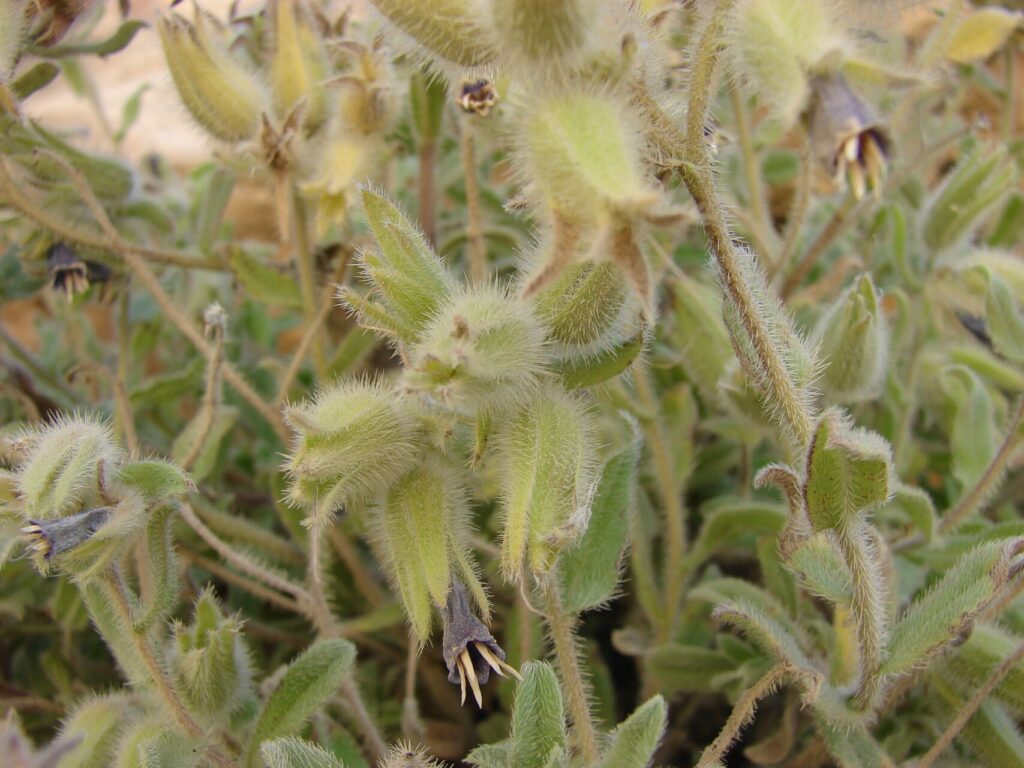
Taming the Golden Fleece: Propagating Onosma graeca
Onosma graeca, with its charming fuzzy leaves and vibrant yellow flowers, might sound like a mythical creature, but this stunning plant is very real – and surprisingly attainable for home gardeners! If you’ve been captivated by its beauty, you might be wondering how to welcome more of this golden wonder into your garden. Well, you’re in luck, because today we’re delving into the world of Onosma graeca propagation!
Seeds: A Test of Patience and Skill
The most common method for propagating Onosma graeca is by seed. However, be warned, this is not for the faint of heart! While seeds offer the potential for a greater number of plants, they require a patient and dedicated gardener. Here’s how you can increase your chances of success:
- Timing is Everything: Sow seeds in late winter or early spring (February to March) in seed trays or pots filled with well-draining, sandy compost.
- Embrace the Chill: Onosma graeca seeds benefit from a period of cold stratification, mimicking natural conditions. Place the seed trays in a refrigerator (not freezer!) for 4-6 weeks before moving them to a warm, sunny location.
- Light Touch: Lightly press the seeds into the compost surface, but don’t bury them deep. Onosma seeds need light to germinate.
- Moisture is Key: Keep the compost consistently moist, but avoid overwatering as it can lead to fungal diseases. A misting bottle can be helpful for this.
- Patience, Young Padawan: Germination can be erratic, taking anywhere from a few weeks to a couple of months. Don’t lose hope!
Cuttings: A Quicker Path, Maybe
While taking cuttings is generally considered a faster method of propagation, Onosma graeca can be a bit fickle in this department. If you’d like to give it a try, here’s how:
- Choose Wisely: In late spring or early summer, select healthy, non-flowering shoots for cuttings.
- Clean Cut: Use a sharp, sterilized knife or pair of secateurs to take cuttings about 3-4 inches long. Remove the lower leaves to prevent rotting.
- Hormone Boost (Optional): Dipping the cut end in rooting hormone can encourage root development.
- Potting Up: Plant the cuttings in a well-draining mix of compost and perlite or vermiculite.
- Humidity is Your Friend: Create a humid environment by covering the pot with a plastic bag or placing it in a propagator. This will help retain moisture and encourage rooting.
A Few Parting Tips
- Onosma graeca thrives in well-drained soil with a neutral to slightly alkaline pH.
- These sun-loving plants prefer a sunny location in the garden.
- Once established, Onosma graeca is relatively drought-tolerant.
Propagating Onosma graeca may take some effort, but the reward of these golden beauties gracing your garden is well worth the dedication. So put on your gardening gloves, embrace the challenge, and let the propagation games begin!