
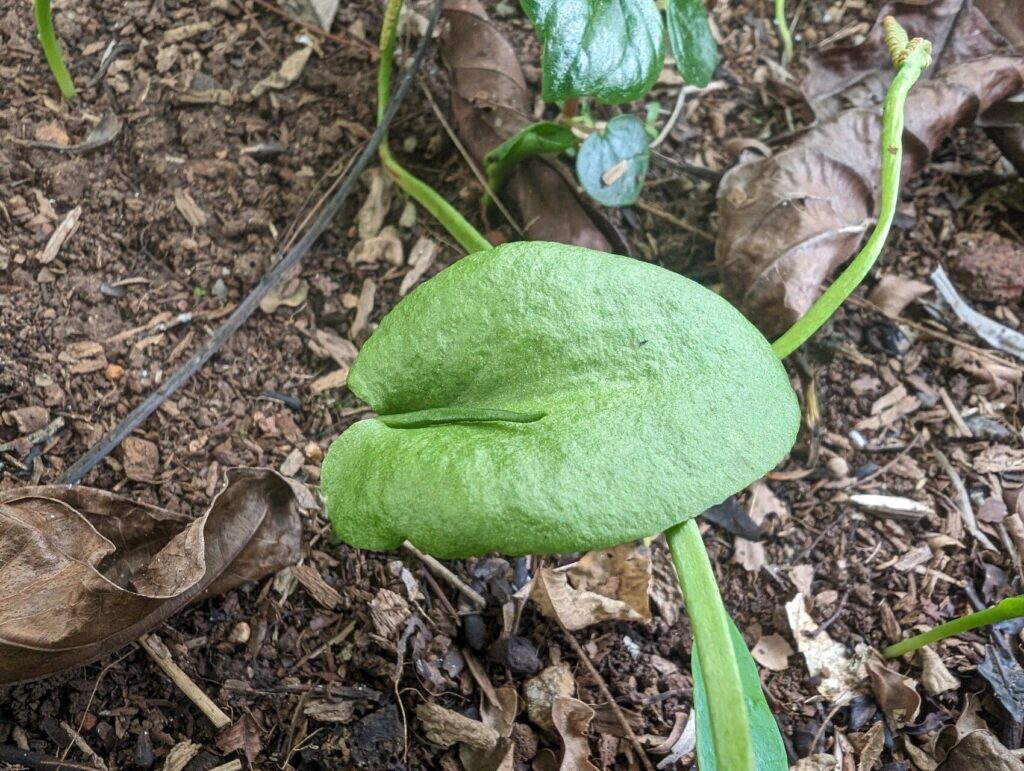
Unlocking the Secrets of Adder’s Tongue Fern Propagation: A Guide for the Persistent Plant Enthusiast
The Adder’s Tongue Fern (Ophioglossum reticulatum) is a fascinating plant, sporting a unique frond that resembles, as you might have guessed, a snake’s tongue. This unassuming fern holds a special allure for plant enthusiasts, but cultivating it can seem shrouded in mystery.
Unlike many ferns that readily produce spores, propagating Ophioglossum reticulatum presents a unique challenge. It relies heavily on a symbiotic relationship with specific mycorrhizal fungi, making traditional spore propagation a difficult and often fruitless endeavor. However, don’t despair! There are ways to successfully propagate this intriguing species, requiring a patient hand and a touch of botanical finesse. Let’s dive in:
1. Division: The Most Reliable Route
For most home growers, division is the most accessible and successful method for propagating Adder’s Tongue Fern. Here’s how:
- Timing is Key: The optimal time for division is during the plant’s active growing season, typically spring or early summer.
- Gentle Hands Required: Carefully lift the plant from its pot or the ground, ensuring you retain as much of the delicate root system as possible.
- Division with Care: Using a clean, sharp knife or pruning shears, carefully divide the plant into sections. Each section should have a good amount of healthy roots and at least one frond.
- Repotting: Plant the divisions in separate pots using a well-draining soil mix that mimics the plant’s natural environment. A mix of peat moss, perlite, and vermicast provides good drainage and nutrients.
- Patience is a Virtue: Keep the newly divided plants in a humid environment, away from direct sunlight, and water consistently to keep the soil moist but not waterlogged.
2. Spore Propagation: A Challenge for the Experienced
While possible, propagating Ophioglossum reticulatum from spores requires significant patience and specific conditions:
- Locating Spores: The spores are found on the underside of the fertile frond, forming a distinct stalk separate from the photosynthetic frond.
- Sterile Technique: Spore propagation requires sterile conditions to prevent contamination. This involves sterilizing tools, using a sterile growing medium, and maintaining a clean working environment.
- Sowing the Spores: Scatter the spores on the surface of the sterilized medium and mist lightly with sterilized water. Cover the container with a clear lid or plastic wrap to maintain humidity.
- Creating the Right Environment: Place the container in a warm, shaded location, maintaining consistent moisture and temperature. The germination period can vary greatly, taking several months or even years.
Understanding the Symbiotic Relationship
Ophioglossum reticulatum’s dependency on mycorrhizal fungi is crucial for its survival and propagation. These beneficial fungi form a symbiotic relationship with the plant’s roots, enhancing nutrient and water absorption. When propagating through division, a healthy amount of the original soil should be transferred to ensure the presence of these crucial fungi.
A Rewarding Challenge
Propagating the Adder’s Tongue Fern might require a bit more dedication than your average houseplant, but the rewards are well worth the effort. By understanding the plant’s unique needs and approaching propagation with patience and care, you can successfully increase your collection of this fascinating fern, expanding its presence in gardens and homes alike.