
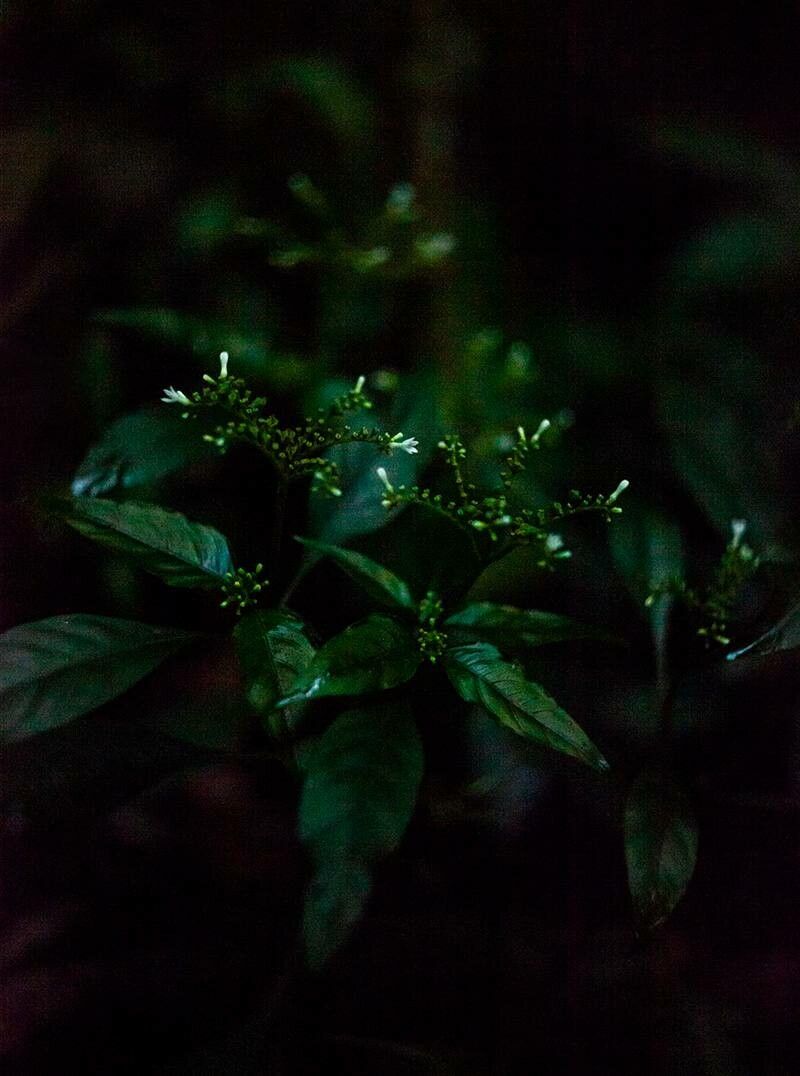
Propagating Ophiorrhiza japonica: A Gardener’s Challenge and Reward
Introduction:
Ophiorrhiza japonica, sometimes known as the Japanese Serpent Root, is a captivating herbaceous perennial prized for its delicate, often white or pale-colored flowers and its intriguing, creeping growth habit. While not as widely cultivated as some other garden plants, it holds a special place among enthusiasts drawn to its unique aesthetic and subtle beauty. Its relatively slow growth and specific environmental needs, however, make its propagation a more nuanced undertaking than for many other species. This article explores various propagation techniques for Ophiorrhiza japonica, highlighting their challenges and rewards.
Seed Germination:
Currently, there are no known reliable methods for seed germination propagation of Ophiorrhiza japonica. While the plant does produce seeds, their germination rate appears to be extremely low, and successful germination in a cultivated setting has not been widely documented. Further research into specific seed requirements, including potential dormancy break techniques, is needed.
Cuttings:
Cuttings offer a potentially more viable propagation method for Ophiorrhiza japonica.
Challenges: The success rate of stem cuttings can be variable. The plant’s relatively slow growth translates to slower rooting times, requiring patience and careful attention. Maintaining high humidity and consistently moist (but not waterlogged) conditions is crucial.
Practical Tips: Semi-hardwood cuttings taken in late summer or early autumn appear to offer the best chance of success. Use a rooting hormone to stimulate root development. Propagate cuttings in a well-draining propagation mix under high humidity (e.g., using a humidity dome or propagator). Consistent bottom heat can also improve rooting success.
Rewards: Successful propagation via cuttings preserves the genetic characteristics of the parent plant, ensuring a true-to-type clone. Cuttings offer a relatively straightforward method compared to more complex techniques.
Division:
Division of established plants represents another practical approach for Ophiorrhiza japonica.
Challenges: The plant’s delicate root system makes division somewhat challenging. Care must be taken to avoid damaging the roots during the process, which can significantly impact the success rate. It also requires a mature plant large enough to be divided.
Practical Tips: Divide the plant in spring or early autumn when the plant is actively growing but not flowering. Ensure each division contains a sufficient amount of root and healthy foliage. Plant the divisions immediately after separation in a suitable, well-prepared growing medium maintaining consistent moisture levels.
Rewards: Division allows for the rapid increase in the number of plants, making it useful for propagating a valued cultivar. Successful division is relatively quick and can provide a significant number of plants from a single parent.
Tissue Culture:
Tissue culture presents a highly controlled method for propagating Ophiorrhiza japonica, though it’s a more advanced technique.
Challenges: Tissue culture requires specialized equipment, aseptic conditions, and expertise in plant tissue culture techniques. Establishing a sterile culture and optimizing the growth media can be time-consuming and require careful experimentation.
Practical Tips: Utilize appropriate sterilizing agents for both the plant material and equipment. Experiment with various media formulations to determine the optimal nutrient balance for shoot and root development.
Rewards: Tissue culture allows for rapid and large-scale propagation, enabling the production of a large number of genetically identical plants. It also offers the potential to eliminate diseases and improve the overall vigor of the propagated plants.
Conclusion:
Propagating Ophiorrhiza japonica presents unique challenges, requiring patience, attention to detail, and a willingness to experiment. While seed germination remains unproven, cuttings and division offer viable options for the home gardener, with tissue culture providing a potentially more efficient, albeit more complex, pathway. The rewards, however, make the effort worthwhile: the satisfaction of successfully cultivating this delicate and beautiful plant far outweighs the difficulties. Don’t be discouraged by initial setbacks – persistence is key. With careful observation, diligent technique, and some experimentation, you can enjoy the beauty of Ophiorrhiza japonica thriving in your garden.