
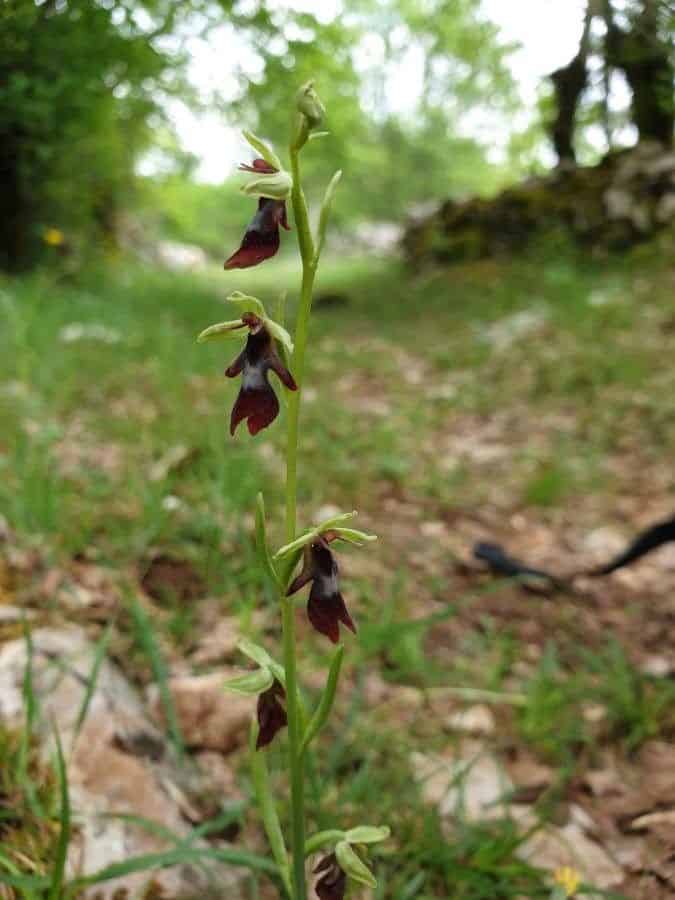
The Art of Deception: Propagating the Fly Orchid (Ophrys insectifera)
The plant kingdom is full of wonders, and few are as fascinating and unusual as the Fly Orchid, known scientifically as Ophrys insectifera. This captivating orchid, native to Europe, doesn’t attract pollinators with sweet nectar or vibrant colors. Instead, it uses an ingenious and slightly unsettling trick: mimicry. As its name suggests, the Fly Orchid has evolved to resemble a female fly, complete with a fuzzy brown body and iridescent “wings.” This clever disguise, combined with a seductive pheromone cocktail, lures unsuspecting male flies looking for a mate.
While cultivating the Fly Orchid might seem as tricky as its pollination strategy, don’t be intimidated! With patience and an understanding of its unique biology, even amateur botanists can propagate this captivating species.
Propagation through Seed: A Partnership with Fungi
Like all orchids, Ophrys insectifera produces dust-like seeds that lack the typical food reserves found in other plant seeds. This peculiarity means they can’t germinate on their own and require the help of specific mycorrhizal fungi. Here’s how to propagate Fly Orchid seeds in a nutshell:
- Obtain Seeds: Source seeds from a reputable supplier specializing in orchids, as successful germination rates heavily rely on fresh, viable seeds.
- Prepare the Substrate: Create a well-draining, slightly acidic medium that mimics the orchid’s natural habitat. A good starting point is a mix of sphagnum moss, perlite, and finely shredded bark.
- Sowing the Seeds: Sprinkle the seeds sparingly over the moistened substrate, ensuring they make good contact but are not buried.
- Provide the Right Conditions: Place the pot in a bright, indirectly lit location, maintaining a humid environment with temperatures around 70-75°F (21-24°C).
- Patience is Key: Germination can take several months to a year, so don’t lose hope if you don’t see immediate results. Once seedlings appear, maintain constant moisture and humidity while providing adequate air circulation to prevent fungal diseases.
Division: A More Challenging Approach
While possible, propagating the Fly Orchid through division is generally not recommended for beginners. This method involves carefully separating mature plants with multiple pseudobulbs (swollen stem bases storing water and nutrients). Due to the orchid’s specific growing requirements and sensitivity to disturbance, division can be stressful and lead to plant loss if not executed perfectly.
The Rewards of Patience
Propagating the Fly Orchid requires dedication and a gentle touch, but the rewards are well worth the effort. Imagine the sense of accomplishment when you witness those first delicate blooms, a testament to your successful partnership with nature’s extraordinary processes. Every successful propagation contributes to the conservation of this fascinating species, ensuring future generations can marvel at the deceptive beauty of the Fly Orchid.