
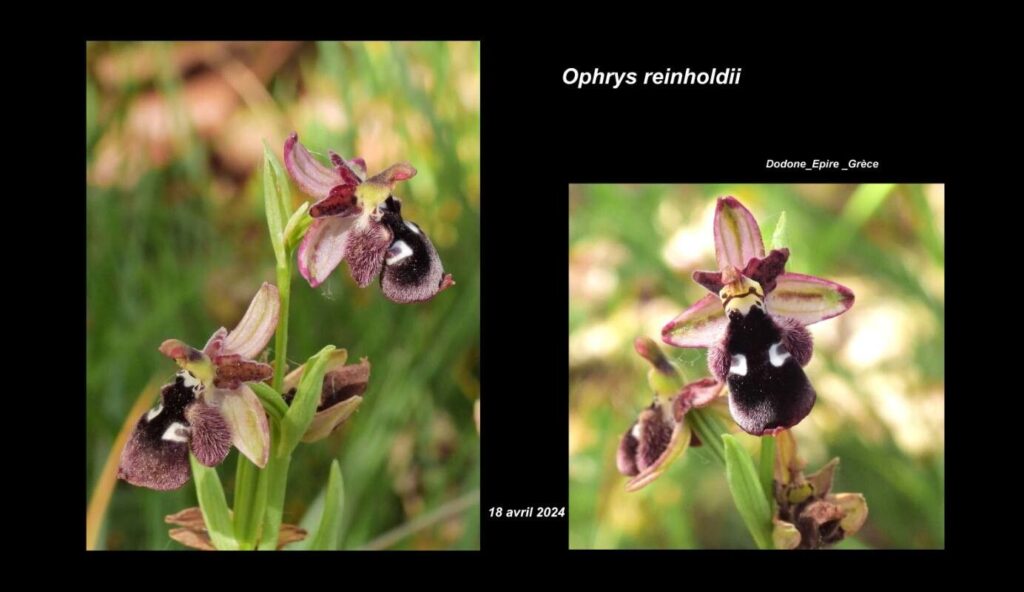
Unlocking the Secrets of the Late Spider Orchid: A Guide to Propagating Ophrys reinholdii
The Ophrys reinholdii, more commonly known as the Late Spider Orchid, captivates with its intricate, spider-like blooms. This Mediterranean gem, however, is notoriously difficult to cultivate, let alone propagate. But for dedicated plant enthusiasts, the challenge only adds to the allure.
Unlike many orchids propagated through cuttings or divisions, Ophrys reinholdii relies heavily on a symbiotic relationship with specific fungi for germination and growth. This makes traditional propagation methods ineffective. Let’s delve into the fascinating, albeit complex, world of propagating this elusive orchid.
Understanding the Symbiotic Relationship:
Ophrys reinholdii seeds are unique. They lack the endosperm, the nutrient-rich tissue found in most seeds, that fuels initial growth. Instead, they depend on mycorrhizal fungi to provide essential nutrients. The fungi colonize the seed, forming a mutually beneficial partnership. The fungi supply the orchid with sugars and minerals extracted from the soil, while the orchid, through photosynthesis, provides the fungi with carbohydrates.
Propagation Methods
- Seed Sowing with Symbiotic Fungi:
This method, while complex, offers the most reliable results.
- Obtaining Seeds: Collect seed pods from mature Ophrys reinholdii plants after flowering. Ensure the pods are dry and beginning to split before collecting.
- Source Your Fungi: This is arguably the most challenging step. Ideally, you’ll need to obtain a sample of the specific mycorrhizal fungi that associate with Ophrys reinholdii. This can sometimes be sourced from specialist orchid nurseries or research institutions. Alternatively, soil collected from the base of a healthy Ophrys reinholdii plant in the wild can be used, although success is not guaranteed.
- Creating the Environment: Prepare a sterile, well-draining growing medium, mimicking the orchid’s natural habitat. A mixture of fine bark, perlite, and sphagnum moss can work well. Sterilize the medium to eliminate any competing fungi.
- Sowing: Sow the seeds thinly on the surface of your prepared medium. Introduce your fungal source, either by sprinkling soil or a prepared fungal solution.
- Patience is Key: Germination can take several months, even years. Maintaining a humid environment with consistent moisture is crucial during this stage.
- In-Situ Propagation:
This less hands-on method involves encouraging the natural spread of Ophrys reinholdii within its existing habitat.
- Identify Healthy Populations: Locate areas where Ophrys reinholdii thrives.
- Controlled Disturbance: Lightly disturb the soil surface around existing plants after seed dispersal. This can help the seeds come into contact with the necessary fungi.
- Protect the Habitat: Ensure the area remains undisturbed and free from any threats like grazing animals or invasive species.
Challenges and Considerations:
- Specificity: Ophrys reinholdii exhibits high specificity to its symbiotic fungi. Finding the right fungi is crucial for successful propagation.
- Time Commitment: Be prepared for a lengthy process. From germination to flowering, it can take several years.
- Conservation Ethics: When collecting any material from the wild, always prioritize the health of the existing population. Only collect from abundant populations, taking minimal material.
Propagating Ophrys reinholdii is a rewarding, though challenging, endeavor. By understanding its unique symbiotic relationship and employing the right techniques, you can contribute to the conservation and appreciation of this captivating orchid.