
Propagating Devil’s Club (Oplopanax horridus): A Thorny but Rewarding Endeavor
Introduction:
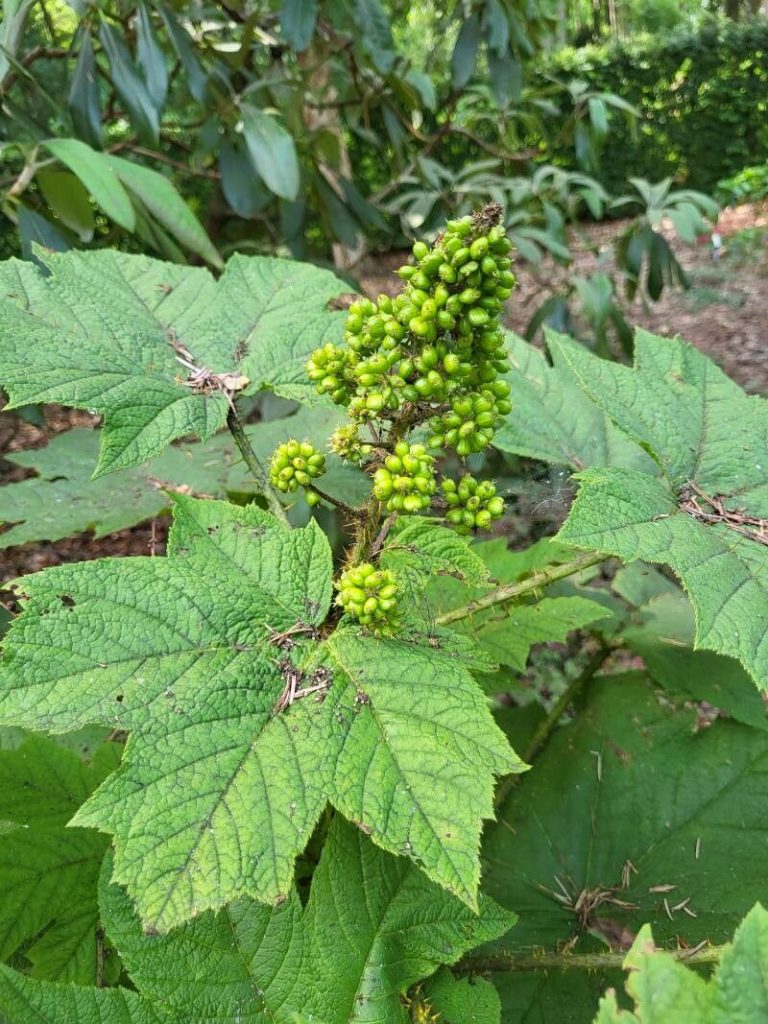
Oplopanax horridus, commonly known as Devil’s Club, is a striking and iconic plant of the Pacific Northwest. This large, thorny shrub boasts impressive palmate leaves and vibrant red berries, adding a dramatic touch to woodland gardens. Its medicinal properties have long been recognized by Indigenous peoples, further fueling its horticultural significance. However, its propagation presents unique challenges due to its slow growth and specialized requirements. Gardeners are drawn to the challenge and the unique satisfaction of successfully cultivating this remarkable plant.
Seed Germination:
Currently, there are no known reliable methods for seed germination propagation of Oplopanax horridus. While seeds are produced, germination rates are extremely low, even under carefully controlled conditions. This is likely due to a combination of factors including seed dormancy mechanisms and the plant’s reliance on specific mycorrhizal fungi for successful establishment. Therefore, relying on seed germination for propagating Devil’s Club is not a practical approach.
Cuttings:
Propagating Devil’s Club from cuttings presents moderate challenges but holds more promise than seed germination. The success rate is dependent on timing and technique.
- Challenges: Devil’s Club cuttings are notoriously difficult to root. The woody nature of the stems hinders root development.
- Practical Tips: The best time for taking cuttings is in late spring or early summer, using semi-hardwood cuttings. Hormone rooting powder can significantly improve success rates. Cuttings should be placed in a well-draining propagation mix kept consistently moist but not waterlogged. A humidity dome or propagation chamber will increase the chance of success. Bottom heat may also aid in rooting.
- Rewards: Successful propagation from cuttings allows for the replication of desirable traits from a specific mother plant, maintaining genetic consistency compared to the variability of seedlings.
Division:
Division is the most reliable method for propagating Devil’s Club.
- Challenges: This method requires a mature, established plant to divide, limiting its feasibility. The plant’s extensive root system may make careful division difficult, potentially harming both the parent plant and the divisions. There’s also the risk of disturbing delicate connections with its critical mycorrhizal network.
- Practical Tips: Division is best undertaken in early spring or fall, when the plant is dormant, using a sharp, sterile shovel or knife. Each division should include a section of healthy root and ample foliage to support growth. Replant immediately in a well-amended, moist, and slightly acidic soil.
- Rewards: Division yields instant results, producing relatively mature plants that are more likely to thrive than seedlings or cuttings. This makes it the most efficient and successful method available for cloning established plants.
Tissue Culture:
Tissue culture offers a potential, albeit complex and specialized, method for propagating Devil’s Club.
- Challenges: This technique requires specialized equipment, sterile conditions, and expertise in plant tissue culture. Establishing an appropriate medium and growth regulators for Oplopanax horridus will necessitate experimentation. The cost and setup of the equipment presents a significant barrier.
- Practical Tips: Research on optimal media composition, hormone concentrations, and sterilization protocols is crucial for success.
- Rewards: Tissue culture allows for large-scale propagation, producing many genetically identical plants quickly. It also offers the potential to rapidly multiply rare or endangered genotypes, vital for preserving the genetic diversity of this species.
Conclusion:
Propagating Devil’s Club presents unique challenges. While seed propagation is currently unreliable, cuttings offer some degree of success with patience and the right technique. However, division remains the most dependable method for experienced gardeners. Tissue culture provides a future avenue for large-scale propagation but requires significant investment and expertise. The rewards, however, – cultivating this striking and ecologically significant plant – are well worth the effort. The unique satisfaction of successfully nurturing a Devil’s Club, given its propagation challenges, provides a tangible connection with the natural world, making the journey a deeply rewarding one for any dedicated propagator. Patience and perseverance are key to success with this impressive plant.