
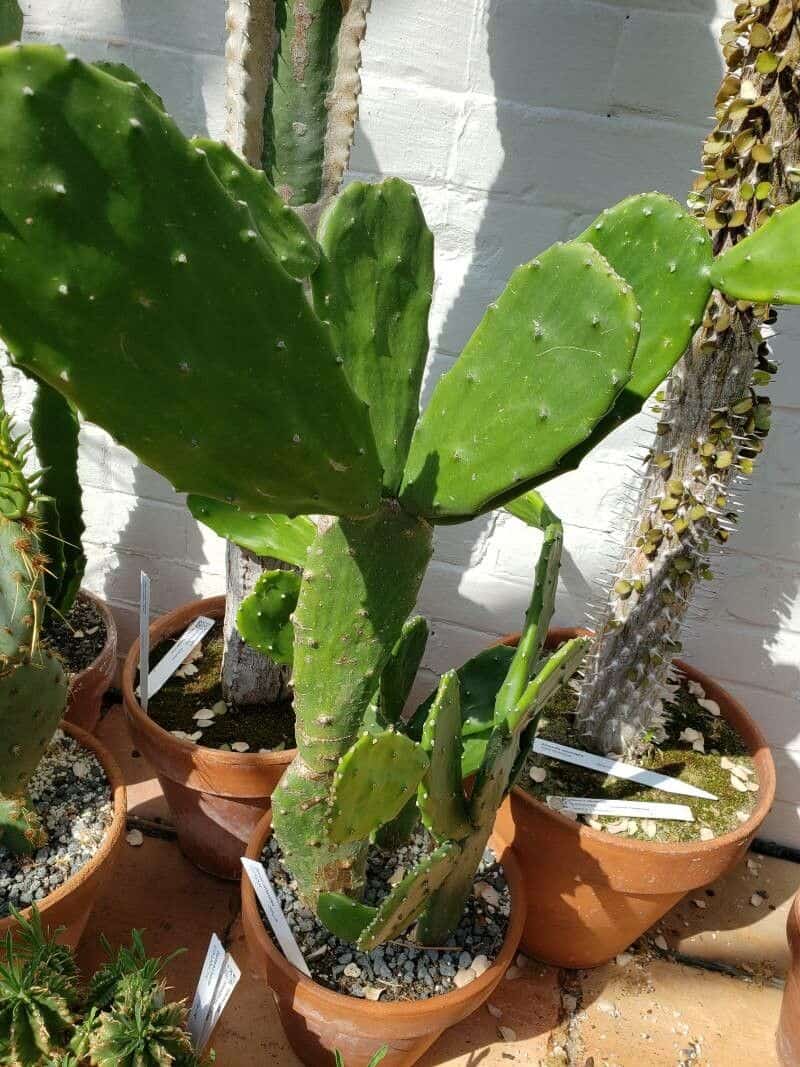
Beyond Prickly Pears: Multiplying the Magic of Your Opuntia Cochenillifera
The Opuntia cochenillifera, also known as the Nopal cactus or cochineal cactus, is a fascinating plant with a rich history. But beyond its intriguing past and uses – from dyes to livestock feed – it’s also a remarkably easy plant to propagate. This means you can easily multiply your Opuntia, sharing its unique beauty and utility with friends and fellow plant lovers.
Understanding Your Opuntia:
Before diving into propagation, it’s helpful to have a basic grasp of the Opuntia’s growth habit. This cactus grows as segmented pads, often called "nopales." Each pad has the ability to become a new plant with the right care.
Methods for Propagation:
There are two primary methods for propagating Opuntia cochenillifera:
1. Pad Cuttings:
- Timing is key: The best time for taking pad cuttings is during the active growing season, ideally in spring or early summer.
- Selecting the Pad: Choose a healthy, plump pad that is at least six months old. Be sure to wear thick gloves and use a sharp, sterilized knife or pruning shears for this step, as the pads have spines and glochids (tiny, hair-like barbs).
- Callousing is Crucial: This is the most important step to prevent rot. Allow the cut end of the pad to dry out and form a callous. This can take anywhere from a few days to a week, depending on the environment. The cut end should feel dry and firm to the touch.
- Potting Up: Once calloused, insert the bottom third of the pad into a well-draining potting mix formulated for cacti and succulents. Keep the soil lightly moist (not wet) until roots establish, which can take several weeks.
2. Seeds:
- From Fruit to Seed: If your Opuntia produces fruit (prickly pear), you can harvest seeds for propagation. Clean the seeds thoroughly to remove any fruit pulp.
- Sowing: Sow the seeds in a shallow tray filled with a seed starting mix or a well-draining cactus mix. Lightly press the seeds into the soil and mist them with water.
- Patience is a Virtue: Seed propagation takes longer than cuttings, and germination can be sporadic. Be patient and provide consistent warmth and bright, indirect light.
Caring for Your New Propagations:
- Light: Opuntia cochenillifera thrives in bright, direct sunlight.
- Water: Water deeply but infrequently, allowing the soil to dry out thoroughly between waterings.
- Temperature: These cacti prefer warm temperatures and are hardy in USDA zones 9-11. In colder areas, they can be grown in containers and brought indoors during winter.
Propagating your Opuntia cochenillifera is a rewarding way to expand your plant collection and share a piece of this versatile cactus with others. With a little patience and care, you can easily multiply the magic of this fascinating plant.