
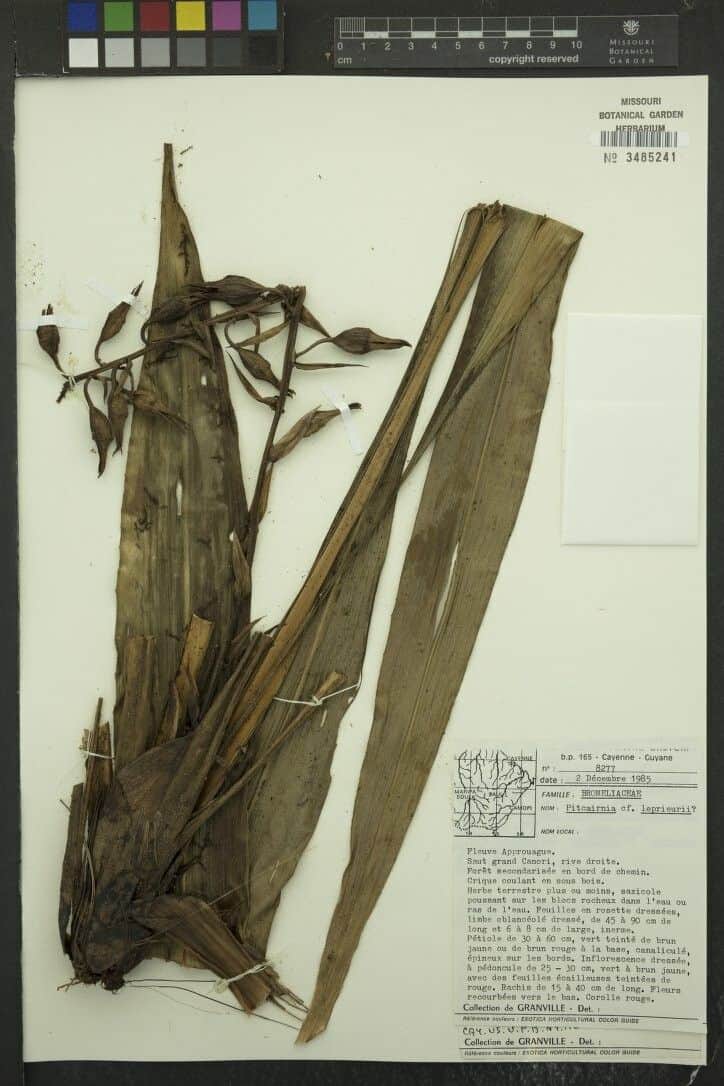
Unlocking the Secrets of Pitcairnia rubiginosa Propagation: A Guide to Multiplying Your Terrestrial Bromeliad
The vibrant and intriguing world of bromeliads never fails to captivate plant enthusiasts. Among these fascinating plants, the Pitcairnia rubiginosa stands out, boasting unique foliage and stunning floral displays. If you’re lucky enough to have this terrestrial bromeliad grace your home, you might be wondering how to propagate it and expand your collection. Fear not, for we’re about to delve into the secrets of multiplying your Pitcairnia rubiginosa!
Understanding the Basics: Offsets are Key
Unlike some bromeliads that primarily reproduce through pups, Pitcairnia rubiginosa propagates mainly through offsets. These are miniature versions of the parent plant that emerge from the base, often after the main plant has flowered. Think of them like little plant clones ready to take root on their own!
Timing is Everything: When to Propagate
The best time to propagate your Pitcairnia rubiginosa is in the spring or early summer, when the plant is actively growing. Look for offsets that have developed a few of their own leaves (at least 3-4 inches tall) and a small root system. This indicates they’re mature enough to thrive independently.
Let’s Get our Hands Dirty: The Propagation Process
Gently Remove the Offset: Using a clean, sharp knife or pair of pruning shears, carefully separate the offset from the mother plant. Try to get as much of the offset’s root system as possible.
Prepping for Success: Allow the cut surface of the offset to dry for a day or two. This prevents rot once planted.
Creating the Perfect Home: Choose a well-draining potting mix suitable for bromeliads. A blend of peat moss, perlite, and bark chips works well. Plant the offset in a small pot, ensuring the base of the leaves is just above the soil line.
- Nurturing New Beginnings: Water the newly planted offset thoroughly and place it in a warm, bright location, but out of direct sunlight. Maintain a humid environment, as Pitcairnia rubiginosa thrives in humidity.
Patience is a Virtue: Awaiting Growth
It typically takes a few weeks for the offset to establish its root system. Once you see new growth emerging, you’ll know your propagation endeavor was successful. At this point, you can gradually acclimate the young plant to brighter light conditions.
Beyond Offsets: Other Propagation Methods
While offsets are the most common propagation method, Pitcairnia rubiginosa can also be grown from seeds. However, this method is less reliable and requires more time and patience. If you’re up for the challenge, sow the seeds in a well-draining seed starting mix and keep them consistently moist in a warm, bright location.
Expanding Your Bromeliad Family
Propagating Pitcairnia rubiginosa is a rewarding experience that allows you to expand your plant family and share the beauty of these unique bromeliads with others. By following these simple steps and embracing patience, you’ll be well on your way to cultivating a thriving collection of these captivating plants.