
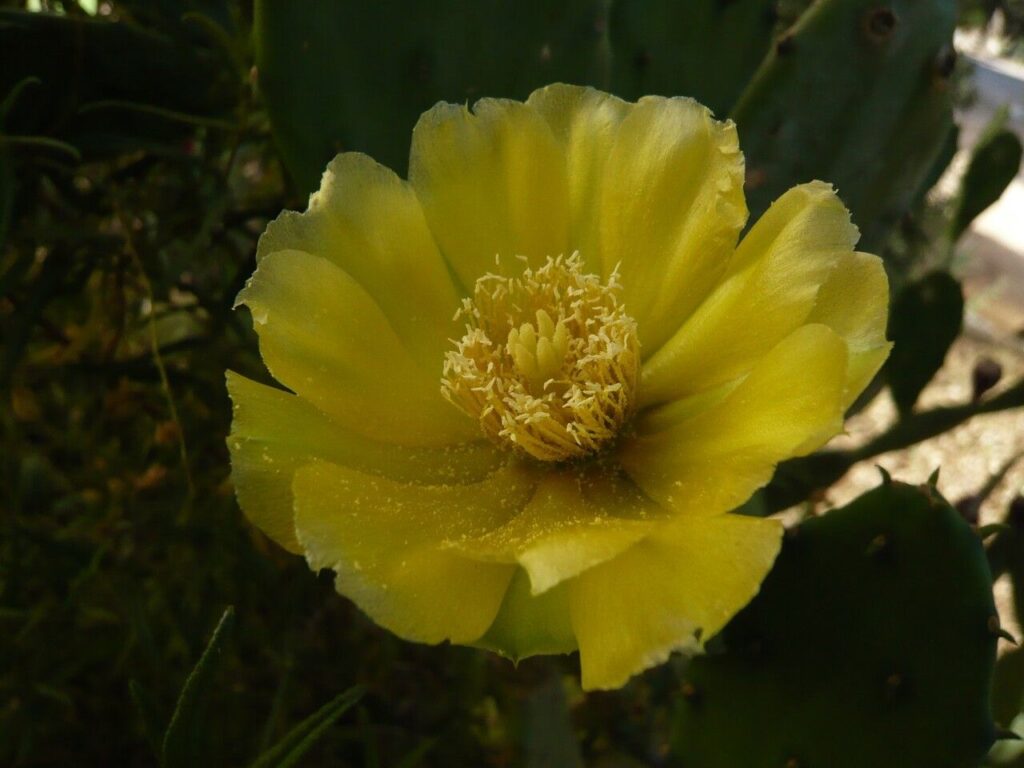
From Prickly Pad to Potted Beauty: How to Propagate Opuntia Humifusa (and Why You Should!)
Opuntia humifusa, also known as the Eastern Prickly Pear, is more than just a thorny desert plant. This resilient cactus species is a beautiful addition to any sunny garden, boasting vibrant flowers and unique, paddle-shaped pads. But did you know that propagating Opuntia humifusa is surprisingly easy? In fact, it’s so simple, even a novice can turn a single pad into a brand-new plant!
Why Propagate?
Before we dive into the how-to, let’s discuss why you might want to propagate your Opuntia humifusa in the first place. It’s a great way to:
- Multiply your plants: This is especially helpful if you love the unique look of the Eastern Prickly Pear and want to fill your garden with its spiky beauty.
- Save money: Buying new plants can get expensive, and propagation allows you to expand your collection without breaking the bank.
- Share the love: Propagated plants make great gifts for gardening friends or family members.
- Preserve your favorite variety: If you have a cherished Opuntia humifusa with unique characteristics, you can easily replicate it through propagation.
The Power of Pads
Opuntia humifusa is primarily propagated through a process called pad cuttings. This involves detaching a healthy pad from the parent plant and allowing it to root. Here’s a step-by-step guide to get you started:
- Choose your pad: Pick a healthy, mature pad from the parent plant. Avoid any pads that show signs of disease or damage.
- Prepare the pad: Use clean, sharp pruning shears or a knife to cut the pad off the parent plant just below an areole (the small, fuzzy areas on the pad that produce spines and new growth).
- Allow to callous: Place the pad in a dry, well-ventilated location (like a sunny windowsill) for 1-2 weeks. This process allows the cut end to callus over, preventing rotting.
- Planting time: Once the pad is calloused, select a pot with drainage holes and fill it with well-draining cactus potting mix. Gently press the calloused end of the pad into the soil, making sure it is at least partly buried.
- Patience is key: Water the pad thoroughly, but only when the soil is completely dry to the touch. Place the pot in a bright, sunny location and wait patiently.
- Rooting time: While it can take a few weeks or even months, eventually, new roots will emerge. You’ll see signs of growth as new pads and perhaps even flowers begin to appear.
Additional Tips:
- Safety first: Opuntia humifusa is prickly, so wear thick gloves and protective clothing when handling the pads.
- Experiment with rooting mediums: While soil works well, you can also try rooting your Opuntia humifusa pads in water or a mixture of perlite and peat moss.
- Don’t overwater: Cactus prefer dry conditions. Too much water can lead to root rot.
- Be patient: The rooting process may take time. Don’t give up if you don’t see results immediately.
From Prickly to Beautiful:
Propagating Opuntia humifusa is a rewarding experience. From a single pad, you can create a whole new plant that will bring beauty and character to your garden. So, grab your gloves, a sharp knife, and prepare to witness the fascinating transformation from prickly pad to potted beauty!