
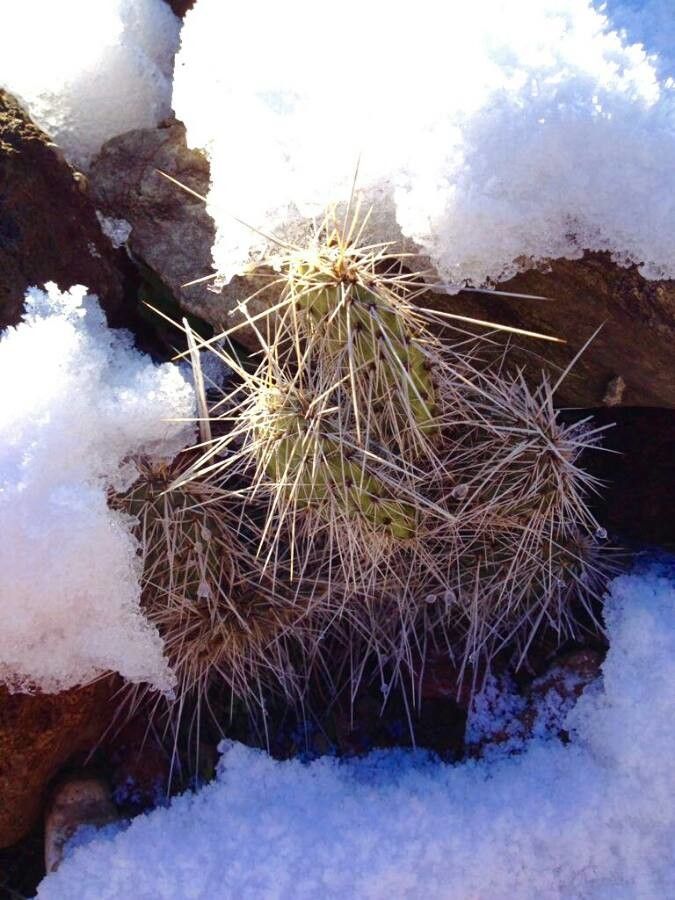
Prickly Power: How to Easily Propagate Your Own Opuntia Macrorhiza
The Opuntia macrorhiza, commonly known as the Plains Prickly Pear, is a fascinating and versatile plant that’s become increasingly popular for its drought tolerance, beautiful blooms, and edible fruits. But how do you get your hands on one of these unique cacti?
Fear not, plant enthusiasts! Propagating Opuntia macrorhiza is surprisingly simple. This resilient plant can be easily multiplied through both seed propagation and vegetative propagation, offering a rewarding experience for even novice gardeners.
Easy Peasy Seed Propagation:
While it takes a bit longer to see results, seed propagation is a great way to introduce genetic diversity into your Opuntia macrorhiza collection. Here’s how:
- Collect mature fruit: Wait for the prickly pears to fully ripen and turn reddish-purple. You’ll find tiny black seeds inside the fleshy pulp.
- Clean and dry the seeds: Remove the seeds from the fruit and wash them thoroughly to eliminate the pulp. Dry them completely either in the sun or indoors.
- Sow the seeds: Sow the seeds in a well-draining cactus potting mix. Lightly press them into the soil and keep the surface slightly moist.
- Patience is key: Opuntia macrorhiza seeds may take several weeks to germinate. Provide them with indirect sunlight and maintain consistent warmth.
Fastest Route: Vegetative Propagation
For those eager to see results sooner, vegetative propagation is the way to go. This involves taking cuttings from existing plants, allowing them to develop roots and form new plants:
- Choose the right cuttings: Select healthy, mature pads (also called cladodes) that have a few inches of stem attached to the main plant.
- Cut with care: Use a sharp, clean knife or scissors to cut the chosen cladodes from the parent plant. Ensure a clean cut for optimal rooting.
- Allow to callus: After harvesting, allow the cut ends of the cladodes to dry and callous over for a few days. This helps prevent rot.
- Plant in soil: Once calloused, plant the cuttings in a well-draining cactus mix. Partially bury them in the soil, leaving the upper portion exposed.
- Water sparingly: Moisten the soil well and let it dry out completely between waterings. Avoid overwatering, as this can lead to root rot.
- Embrace the sun: Once the cuttings develop roots, ensure they receive ample sunlight.
Important Tips for Success:
- Wear gloves: Opuntia macrorhiza is adorned with spines and glochids (tiny, barbed hairs), so always wear gloves while handling it.
- Choose the right pot: Select pots with drainage holes and use a cactus mix formulated for well-draining soil.
- Sunlight is crucial: Opuntia macrorhiza thrives in full sun to partial shade.
- Water wisely: Only water when the soil is completely dry.
- Be patient: It takes time for both seeds and cuttings to establish themselves.
With a little care and patience, you can easily propagate your own Opuntia macrorhiza and enjoy the beauty of this unique cactus for years to come. From their vibrant blooms to their delicious fruit, these prickly pears will bring a touch of the desert into your garden.