
Propagating the Old Man of the Andes: A Guide to Oreocereus doelzianus
Introduction:
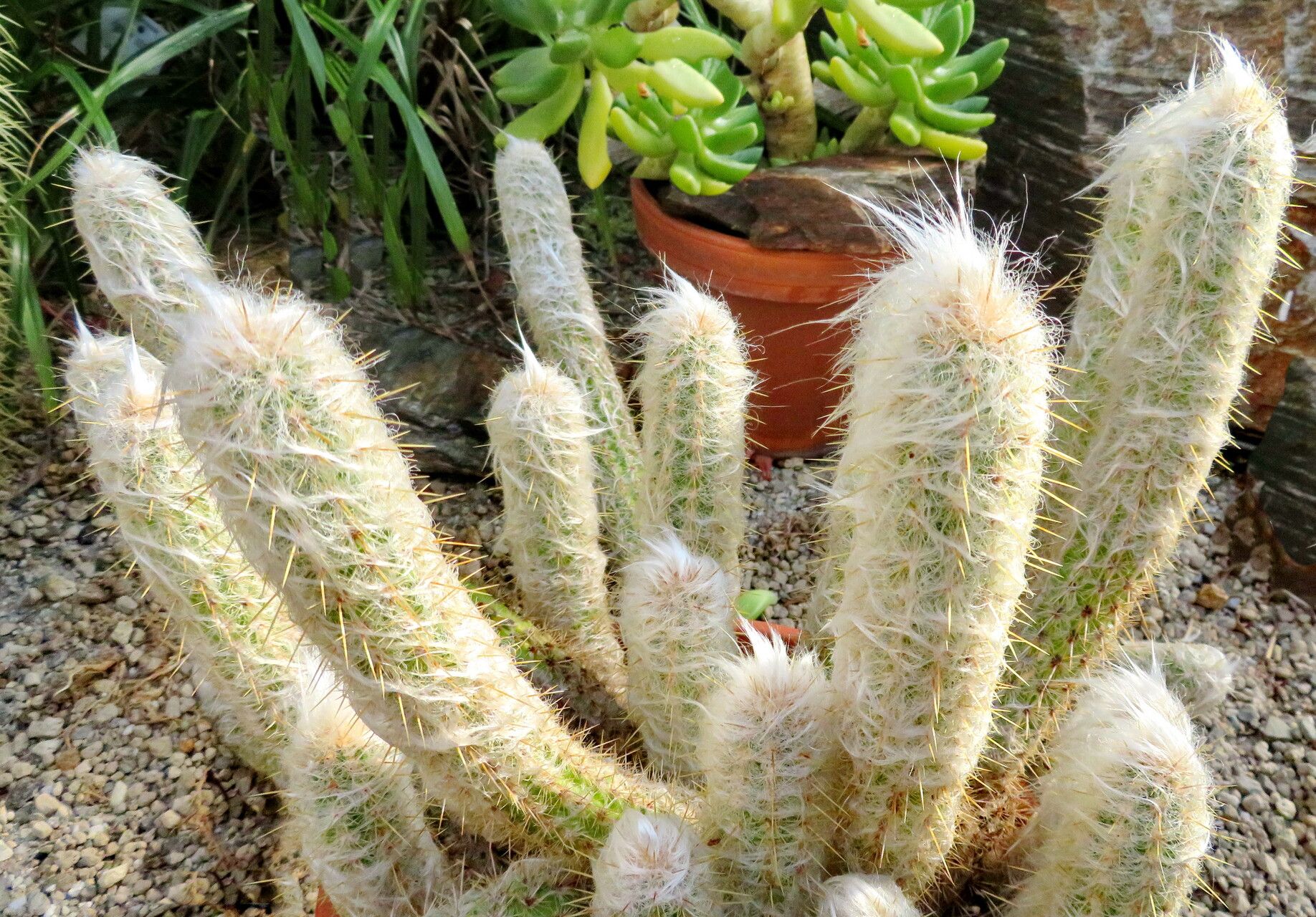
Oreocereus doelzianus, also known as the Old Man of the Andes, is a captivating columnar cactus prized for its striking appearance. Covered in dense, long white hairs that protect it from harsh Andean sun and frost, punctuated by reddish-brown spines, it presents a unique textural beauty rarely seen in other cacti. This, coupled with its relatively slow growth and manageable size, makes it a popular choice among succulent enthusiasts. However, its propagation can present certain challenges, offering a rewarding experience for those willing to persevere. The unique characteristics of its seeds and its somewhat reluctant branching make propagation more involved than some other cactus species.
Seed Germination:
Seed germination of Oreocereus doelzianus is possible but presents several hurdles. Fresh seeds are crucial for success; older seeds have significantly reduced viability.
Challenges: The seeds possess a hard seed coat, requiring scarification (carefully weakening the coat) to improve water absorption. Additionally, the seeds benefit from a period of stratification – exposure to cool, moist conditions – mimicking their natural winter dormancy.
Tips: Soak seeds in warm water for 24 hours before sowing. Consider gentle scarification using fine sandpaper. Sow them on well-draining cactus potting mix, barely covering them. Maintain consistently moist (but not waterlogged) conditions and a temperature around 20-25°C (68-77°F). Bottom heat can also be beneficial. Use a transparent lid or plastic wrap to maintain high humidity.
Rewards: Successful seed germination yields genetically diverse seedlings, providing a wider range of potential variations compared to other methods. This method also allows for large-scale propagation if successful.
Cuttings:
Challenges: Oreocereus doelzianus doesn’t readily branch, limiting the availability of cuttings. Even when cuttings are obtained, they can be slow to root, and the success rate can be quite low. Rot is a significant risk if not handled carefully.
Tips: Cuttings should be taken from mature, healthy stems, allowing them to callous over for several days before planting in well-draining cactus mix. Avoid overwatering; only water lightly when the potting mix is completely dry. Bottom heat can speed up rooting.
Rewards: Cuttings, if successful, provide genetically identical offspring, preserving desirable traits. The process is relatively simple compared to seed germination, though the success rate is lower.
Division:
Challenges: Mature plants of Oreocereus doelzianus may eventually branch or offset, providing opportunities for division. However, this is uncommon, and healthy division requires skill to avoid damaging the parent plant and its offsets
Tips: The division should be performed carefully, ensuring each section has a sufficient root system. Plant them separately in a well-draining potting mix, and water sparingly until they show signs of recovery.
Rewards: Division is a relatively straightforward method if offsets are present. It allows for faster propagation than seed propagation, and the offspring are genetically identical to the parent plant.
Tissue Culture:
Challenges: Tissue culture propagation for Oreocereus doelzianus is technically demanding, requiring a controlled laboratory environment, specialized equipment, and expertise in sterile techniques. It is not a method easily undertaken by home growers.
Tips: This method requires significant training and resources. Refer to specialized literature on cactus tissue culture before attempting this method.
Rewards: Tissue culture offers the potential for large-scale propagation and the cleaning out of any pathogens that may be present. It is the only method of propagation which would be feasible to use to grow many plants in short period.
Conclusion:
Propagating Oreocereus doelzianus presents unique challenges across all methods. Seed germination offers genetic diversity but demands patience and precise techniques. Cuttings and division are simpler options but are often hampered by a low success rate due to the plant’s infrequent branching. Tissue culture, though highly effective, requires specialized knowledge and equipment. The rewards, however, are immense. Successfully cultivating this striking cactus from a seed, cutting, or division brings a unique sense of accomplishment, a testament to your dedication and horticultural prowess. Don’t let the challenges deter you. Experiment, learn from your experiences, and savor the satisfaction of successfully nurturing an Old Man of the Andes. Remember that patience and attention to detail are crucial for success with this remarkable plant.