
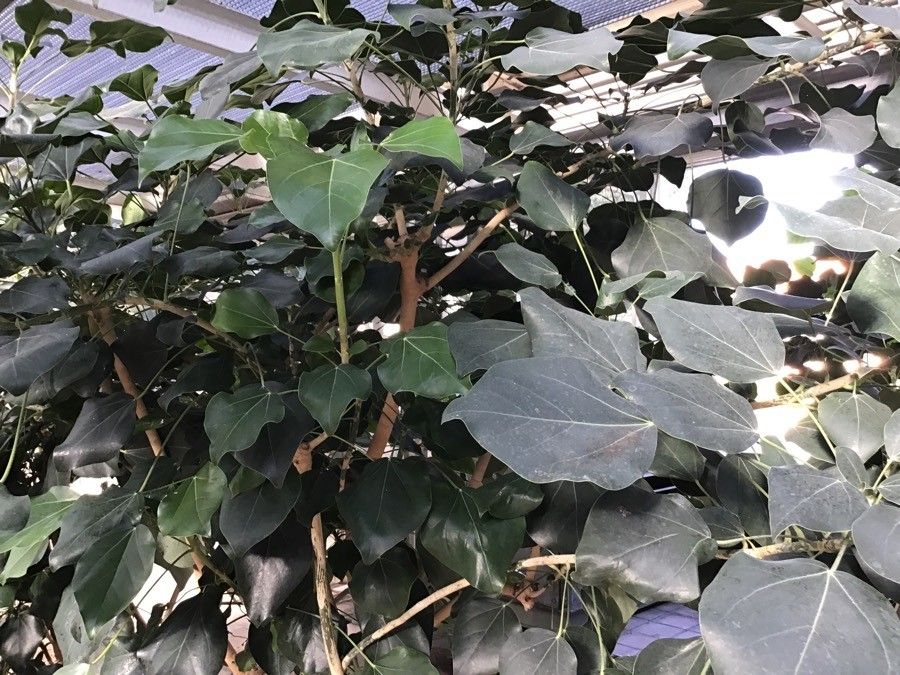
Propagating the Exquisite Oreopanax nymphaeifolius: A Gardener’s Guide
Introduction:
Oreopanax nymphaeifolius, also known as the water-lily tree or aralia, is a captivating plant prized for its large, palmate leaves reminiscent of water lilies. Its striking foliage and relatively slow growth make it a sought-after addition to both tropical and subtropical gardens. The plant’s unique aesthetic and intriguing propagation challenges have fueled its popularity among dedicated gardeners. Unlike many readily propagated plants, Oreopanax nymphaeifolius presents unique hurdles in its propagation, demanding patience and precision.
Seed Germination:
Currently, there are no known reliable methods for seed germination propagation of Oreopanax nymphaeifolius. While seeds may be produced, their viability and germination rate are notoriously low, making this method largely impractical for most home gardeners. Further research is needed to determine optimal conditions for successful seed germination.
Cuttings:
Propagating Oreopanax nymphaeifolius via cuttings presents a more viable, though still challenging, option.
Challenges: Cuttings are prone to rot if not handled carefully; the relatively slow root development requires patience and precise environmental control.
Practical Tips: Semi-hardwood cuttings taken in late spring or early summer show the best results. Use a sharp, sterile blade to take cuttings approximately 4-6 inches long, removing lower leaves to prevent rot. Dip the cut ends in a rooting hormone powder. Plant the cuttings in a well-draining, moist mix of perlite and peat moss, maintaining high humidity using a humidity dome or plastic bag. Bottom heat can significantly improve rooting success.
Rewards: Successfully rooted cuttings offer a relatively quick route to a new plant, preserving the exact genetic characteristics of the mother plant. This is useful for propagating rare cultivars or maintaining specific desirable traits.
Division:
Division is generally not a practical method for propagating Oreopanax nymphaeifolius. The plant’s root system is not readily divisible, and attempting to divide it is likely to result in damage to the mother plant and poor survival rates for the divisions.
Tissue Culture:
Tissue culture offers a potentially high-yield method for propagating Oreopanax nymphaeifolius, although it requires specialized equipment and expertise.
Challenges: Establishing a sterile environment and mastering the specific nutrient and hormone requirements for optimal growth are significant technical hurdles. This method requires substantial investment in equipment and training.
Practical Tips: This method is best left to experienced tissue culture laboratories. It involves sterilizing plant material and culturing it on a nutrient medium under controlled conditions.
Rewards: Tissue culture provides the highest potential for mass multiplication and the ability to produce disease-free plants.
Conclusion:
Propagating Oreopanax nymphaeifolius presents a unique set of challenges, rendering seed germination largely unreliable and division impractical. While cuttings offer a more accessible route, success relies on meticulous technique and patience. Tissue culture represents a more advanced, high-yield option but requires specialized skills and resources. Despite these difficulties, the rewarding experience of successfully nurturing a propagated Oreopanax nymphaeifolius, with its magnificent foliage, makes the effort worthwhile. The triumph of witnessing those first roots emerge or the healthy growth of a tissue-cultured plant provides a unique sense of accomplishment for the dedicated gardener. Don’t be discouraged by the challenges – research thoroughly, experiment with different approaches, and enjoy the journey of cultivating this beautiful and rewarding plant.
