
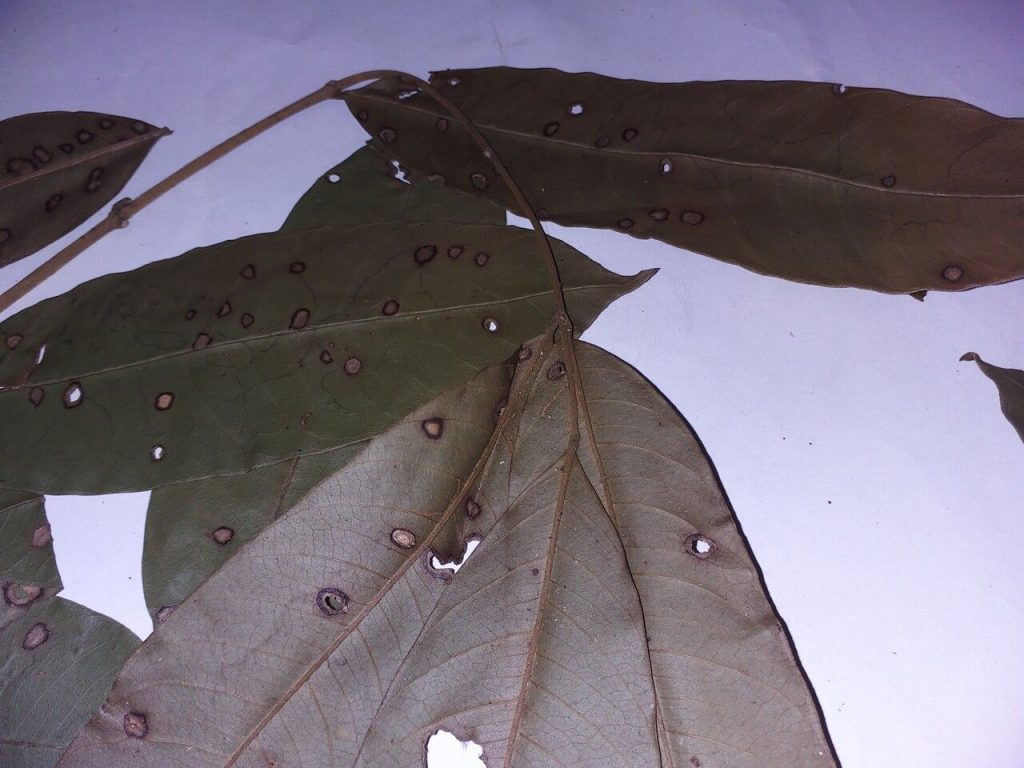
Propagating Ormosia paraensis: A Gardener’s Challenge
Ormosia paraensis, also known as the Brazilian Rosewood (though this common name can be misleading as it’s not true rosewood), is a captivating tree prized for its striking, often vibrantly colored seeds. These striking seeds, ranging from brilliant red to deep orange, enclosed in hard pods, are a major draw for collectors and gardeners alike. However, its beauty belies a propagation challenge, making successful cultivation a rewarding yet demanding endeavor. Its horticultural significance lies precisely in its captivating seeds and the potential for cultivating this relatively rare and visually stunning species.
Seed Germination:
Currently, there are no known reliable methods for seed germination propagation of Ormosia paraensis. While seeds are readily available, germination rates are extremely low, and even with attempts at scarification, soaking, and various stratification techniques, consistent success remains elusive. The hard seed coat and potentially dormant embryo appear to be significant hurdles. Further research into specific hormonal treatments or other advanced techniques may be necessary to unlock viable seed germination.
Cuttings:
Propagating Ormosia paraensis from cuttings presents difficulties but offers a potentially more successful route than seed germination. The challenges lie in the woody nature of the stems, making them difficult to root.
- Challenges: Low rooting success rates are expected due to the plant’s hardiness. The use of rooting hormones, a sterile propagation medium (e.g., perlite and vermiculite mix), and bottom heat are crucial.
- Practical Tips: Semi-hardwood cuttings taken in late summer/early autumn show slightly better success than hardwood cuttings. Dip cuttings in a rooting hormone solution before planting. Maintain high humidity using a propagator or plastic covering. Regular misting is essential to prevent desiccation.
- Rewards: Successful rooting from cuttings results in genetically identical plants, preserving desired traits found in the parent plant. This method allows for more controlled and potentially faster propagation compared to seed germination.
Division:
Division is not a viable method for propagating Ormosia paraensis. This tree grows as a single-stemmed plant and doesn’t naturally produce offsets or suckers that can be separated and replanted.
Tissue Culture:
Tissue culture offers the most promising method for large-scale propagation of Ormosia paraensis. While requiring specialized equipment and expertise, this technique bypasses the challenges of seed germination and cuttings.
- Challenges: Establishing sterile protocols and finding the optimal growth medium and hormone combinations require careful experimentation. The initial setup and ongoing maintenance of a tissue culture lab can be expensive.
- Practical Tips: Consult experienced tissue culture professionals for guidance on media composition, sterilization techniques, and growth conditions.
- Rewards: Tissue culture allows for rapid multiplication of desirable genotypes, high success rates, and the production of disease-free plants on a large scale. This is the most promising avenue for conservation efforts and wider availability of this species.
Conclusion:
Propagating Ormosia paraensis presents significant hurdles, with seed germination proving unreliable. Cuttings offer a more attainable path, though success hinges on meticulous technique. Tissue culture represents the most viable method for large-scale propagation, albeit demanding expertise and resources. The rewards, however, are substantial: the chance to grow this uniquely beautiful tree. The satisfaction derived from overcoming these propagation difficulties, witnessing the germination of a cutting or the flourishing of a tissue-cultured plant, is immense. For aspiring propagators, patience, persistence, and a willingness to experiment are key to success. While challenges abound, the unique beauty of Ormosia paraensis makes the effort worthwhile. Consider starting with cuttings or, if resources permit, exploring tissue culture for the best chances of success.