
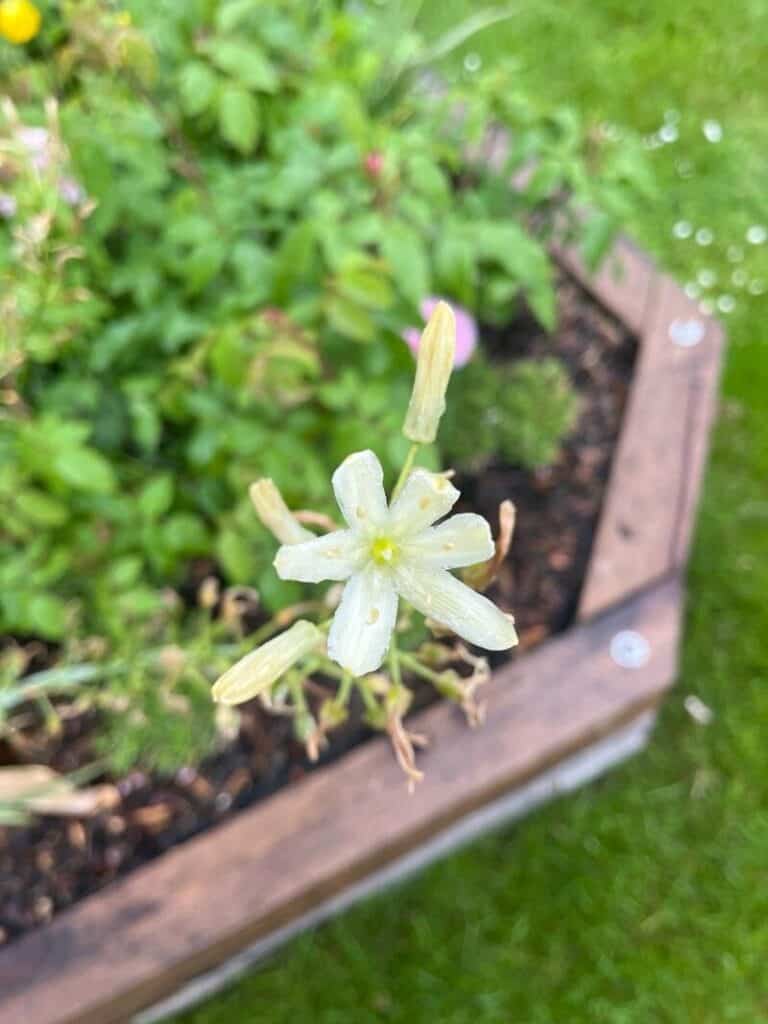
Unveiling the Secrets: Propagating the Majestic Ornithogalum Pyramidale
The Ornithogalum pyramidale, also known as the Star of Bethlehem or Pyramid Starflower, is a captivating bulbous perennial renowned for its dramatic, star-shaped white flowers that ascend skyward in a magnificent pyramidal cluster. While admiring its beauty is a treat in itself, learning to propagate this elegant plant opens up a world of possibilities for expanding your garden and sharing its splendor.
This comprehensive guide will equip you with the knowledge to successfully propagate Ornithogalum pyramidale, unraveling the mysteries of both sexual propagation through seeds and asexual propagation with offsets.
1. Seed Propagation: A Labor of Patience and Reward
Propagating Ornithogalum pyramidale from seeds is a fulfilling endeavor, though it demands dedication due to its longer timeline.
Here’s how to embark on this journey:
- Seed Collection: Collect ripe seed pods in late summer, identifiable by their swollen appearance and papery texture. Carefully extract the small, black seeds within.
- Sowing: Sow seeds in late summer or early fall in seed trays filled with well-draining seed compost. Scatter seeds evenly, lightly covering them with a thin layer of compost.
- Cultivation: Place the trays in a cold frame or unheated greenhouse, ensuring consistent moisture without waterlogging. Patience is key, as germination can take several months.
- Transplanting: Once seedlings are large enough to handle, transplant them into individual pots, continuing their growth under cool, sheltered conditions.
- Planting Out: Gradually acclimatize young plants to outdoor conditions after their last frost date. Choose a sunny location with well-drained soil for their permanent home. Be aware that it may take 2-3 years for plants to reach flowering size.
2. Offset Propagation: Efficiency at its Finest
Offset propagation offers a quicker and more predictable way to multiply your Ornithogalum pyramidale collection. Offsets, or bulbils, are small daughter bulbs that form around the base of the mother bulb.
Let’s explore the process:
- Lifting and Dividing: In late summer or early fall, after flowering, carefully lift the mother bulb from the ground. Gently detach any sizable offsets with a clean, sharp knife, ensuring each offset has some roots attached.
- Potting: Plant the offsets individually in pots slightly larger than the bulb, ensuring the top of the bulb is level with the soil surface. Water well and place pots in a sunny location.
- Growth and Flowering: Offsets will establish quickly and should bloom within a year or two, depending on their size.
Essential Tips for Success:
- Well-Drained Soil: Soggy conditions can lead to bulb rot. Ensure your planting medium drains well. Amending the soil with sand or grit can be beneficial.
- Sunlight Requirements: While Ornithogalum pyramidale tolerates some shade, it thrives in full sun to partial shade for optimal flowering.
- Pest and Disease Control: Keep an eye out for slugs and snails, which are attracted to the emerging shoots. Employ preventative measures like copper tape or diatomaceous earth to protect your plants.
Propagating your own Ornithogalum pyramidale is a rewarding experience, allowing you to expand your garden with these majestic blooms. Whether you choose the rewarding challenge of growing from seed or the efficiency of offset propagation, you’ll be captivated by the charm of these stellar flowers. With the right knowledge and a touch of patience, you can unlock the secrets to propagating this beloved garden treasure!