
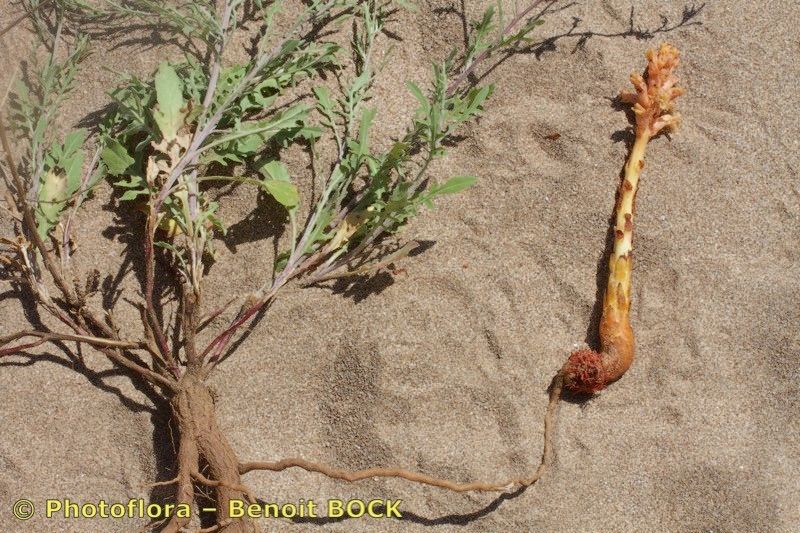
Propagating Orobanche centaurina: A Challenging but Rewarding Endeavor
Introduction:
Orobanche centaurina, commonly known as the Knapweed Broomrape, is a fascinating yet challenging plant to cultivate. This parasitic plant, unlike most flowering specimens, lacks chlorophyll and relies entirely on its host plant, typically various species of Centaurea, for sustenance. Its unusual appearance, with its fleshy, scaly stems and purplish-brown flowers, makes it a sought-after curiosity among specialist gardeners. However, its parasitic nature and complex life cycle present substantial hurdles to propagation. Its rarity also contributes to its unique appeal and makes any successful propagation a significant horticultural achievement.
Seed Germination:
Currently, there are no known reliable methods for seed germination propagation of Orobanche centaurina. The seeds are extremely small and require specific, yet poorly understood, germination triggers likely related to the presence of host root exudates. Research into the precise chemical cues necessary for seed germination in this species is lacking, making successful propagation via seed essentially impossible for the average gardener.
Cuttings:
Cuttings are similarly unlikely to be successful in propagating Orobanche centaurina. Because the plant is entirely dependent on its host for survival, separating a cutting would sever its connection to the necessary nutrient and water supply, leading to almost certain death. Furthermore, the plant’s unique structure lacks the nodes and meristematic tissue commonly used in vegetative propagation techniques.
Division:
Division as a propagation method is also not viable for Orobanche centaurina. As a parasitic plant, it lacks the independent root system necessary for division and subsequent survival. Attempting to separate the plant from its host would instantly kill it.
Tissue Culture:
While tissue culture offers a potential avenue for propagation of many challenging plants, its application to Orobanche centaurina remains largely unexplored and unproven. The specific hormonal and nutritional requirements for successful in vitro growth of this species are completely unknown. Moreover, the parasitic nature of the plant would necessitate the development of a sophisticated co-culture system incorporating its host plant, further complicating the process.
Conclusion:
Propagating Orobanche centaurina presents significant challenges across all conventional methods. Seed germination, cuttings, division, and even tissue culture currently offer little prospect of success for the amateur gardener. However, this difficulty only amplifies the sense of accomplishment should propagation be achieved, highlighting the dedication and expertise involved. The rarity and unique biological traits of Orobanche centaurina make it a highly rewarding plant to cultivate, even though the challenges are immense. While widespread propagation remains a considerable undertaking that requires significant research, perhaps focused attention on understanding the seed germination triggers or developing advanced tissue culture protocols could offer future hope for successfully cultivating this captivating parasitic plant. For now, aspiring propagators should focus on appreciating the beauty of this unusual species in its natural environment, fostering a deeper understanding of its intricate relationship with its host.