
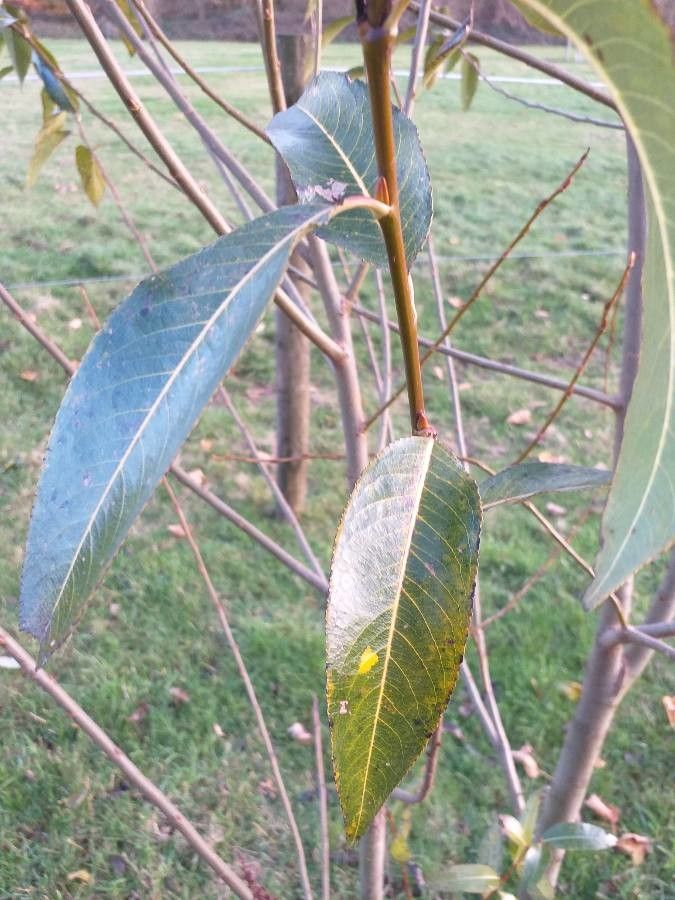
Propagating Salix × hermaphroditica: A Guide to Cultivating the Grey Willow
Salix × hermaphroditica, commonly known as the Grey Willow, is a vigorous, fast-growing hybrid willow prized for its attractive silvery-grey foliage and adaptability to various soil conditions. Its tolerance to wet conditions makes it a popular choice for riparian plantings and wetland restoration projects. While relatively easy to establish once planted, propagating Grey Willow presents unique challenges and rewards, making it a fascinating subject for the dedicated propagator. Its hybrid nature influences its propagation methods, limiting some options while making others more crucial.
Seed Germination:
Currently, there are no known reliable methods for seed germination propagation of Salix × hermaphroditica. The hybrid nature of this willow often results in sterile seeds with significantly reduced or no viability. Attempts at germination have generally proven unsuccessful. Therefore, relying on seed propagation for Grey Willow is not recommended.
Cuttings:
Cuttings represent the most successful and commonly used method for propagating Salix × hermaphroditica.
Challenges: While relatively straightforward, the timing of cutting collection and the subsequent care are critical. Using hardwood cuttings taken in late autumn or winter (dormant wood) offers the best results.
Practical Tips: Take 6-12 inch long cuttings from healthy, one-year-old stems. Dip the cut ends in rooting hormone to enhance success rates. Plant cuttings in a propagator or a well-drained mixture of moist sand and peat, ensuring at least half the cutting is buried. Maintain consistently moist conditions (but avoid waterlogging) and a temperature around 15-20°C. Regular misting can also improve results.
Rewards: Cuttings offer a reliable method to replicate desirable traits of the parent plant, guaranteeing genetic consistency. It’s easy to scale up for larger numbers of plants.
Division:
Division of established Grey Willow plants is possible but generally less efficient than cuttings.
Challenges: Successfully dividing a Grey Willow requires a mature plant with a well-established root system. Division can be disruptive to the parent plant and may not always result in viable divisions.
Practical Tips: The best time for division is during the dormant season (late autumn or early spring). Dig up the entire plant carefully, separating it into sections, each with well-developed root systems and shoots. Replant each division immediately, ensuring good soil contact.
Rewards: Division can be a quick way to propagate a smaller number of plants from an existing specimen.
Tissue Culture:
Tissue culture offers potential, but it’s technically demanding and requires specialized equipment and expertise.
Challenges: Establishing a sterile propagation protocol for Salix × hermaphroditica can be complex and requires a controlled environment. Contamination is a significant risk, alongside consistent success rates that can vary widely depending on the expertise and facilities.
Practical Tips: The process requires laboratory facilities, sterile media, and specialized knowledge of plant tissue culture techniques. Explants are generally taken from actively growing shoots under strict aseptic conditions.
Rewards: Tissue culture allows for large-scale propagation of genetically identical plants and offers the possibility of disease elimination.
Conclusion:
Propagating Salix × hermaphroditica presents various challenges, depending on the method employed. While seed propagation is unreliable, cuttings provide the most accessible and successful method for the majority of gardeners and landscapers wanting to propagate this willow. Division is an option for existing plants, while tissue culture remains a specialized approach for large-scale propagation or genetic manipulation. The rewards of successful Grey Willow propagation, however—witnessing the vigorous growth of these elegant trees – make the effort incredibly satisfying. The patience and attention to detail required contribute to a deep sense of accomplishment for the dedicated cultivator. Don’t be discouraged by initial setbacks. With careful planning and consistent attention, you can successfully propagate this beautiful and ecologically important willow, contributing to its wider appreciation and conservation.