
Propagating Orobanche hederae: A Challenging but Rewarding Endeavor
Introduction
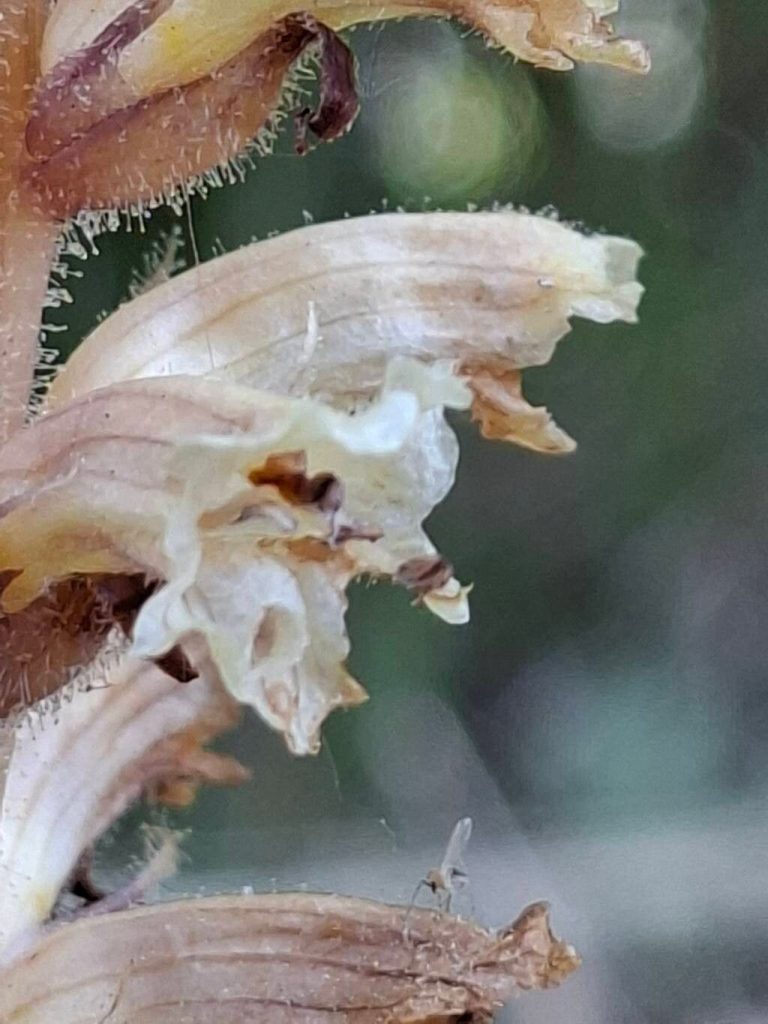
Orobanche hederae, commonly known as ivy broomrape, is a fascinating, albeit parasitic, plant. This holoparasitic species lacks chlorophyll and obtains all its nutrients from its host plant, typically ivy (Hedera helix). Its striking, scale-like leaves and unusual, purplish-brown inflorescence make it a peculiar addition to any botanical collection, albeit a controversial one due to its parasitic nature. While not typically cultivated for gardens in the traditional sense, its unique characteristics have piqued the interest of specialist growers and researchers, making its propagation a subject of considerable intrigue. The challenge lies in its parasitic nature and dependence on a host plant, impacting successful propagation techniques.
Seed Germination
Currently, there are no known reliable methods for seed germination propagation of Orobanche hederae. The seeds are incredibly tiny and possess complex germination requirements, likely involving specific chemical signals from the host plant’s roots. Research into the germination triggers is ongoing, but currently, successful germination outside the natural parasitic relationship remains elusive.
Cuttings
Cuttings are not a viable propagation method for Orobanche hederae. As a holoparasite, the plant lacks the independent physiological capabilities necessary for rooting and developing from a detached cutting. The cutting would simply die lacking access to a host plant’s resources.
Division
Division is similarly impractical for propagating Orobanche hederae. The plant’s root system is intricately intertwined with its host, making it extremely difficult to separate without causing significant damage to both the broomrape and the host plant. Furthermore, even if separated, the individual parts would likely be unable to survive without a reliable source of nutrients.
Tissue Culture
Tissue culture offers the most promising, albeit complex, approach to Orobanche hederae propagation. While challenging, this method holds the potential to overcome the limitations of seed germination and other vegetative techniques. However, success would require significant research to determine optimal media formulations, growth hormones, and potentially the inclusion of host plant compounds to stimulate growth. It presents the advantage of potentially producing multiple clones from a single plant, preserving desirable traits and enabling wider propagation.
Conclusion
Propagating Orobanche hederae presents a significant challenge due to its parasitic nature and dependence on a host. While seed germination and vegetative methods like cuttings and division prove impractical, tissue culture offers a potential avenue for future success, albeit one requiring considerable expertise and resources. The rewards, however, justify the effort. Successfully cultivating this unique plant from tissue culture would not only provide botanical insight into this fascinating species but also offer opportunities for research into its biology and control in agricultural settings (where it can be a considerable pest). The unique satisfaction lies not just in achieving propagation but in overcoming the complex biological obstacles involved, a testament to horticultural skill and dedication. Aspiring propagators should consider initiating experimental trials using tissue culture techniques, starting with preliminary research into suitable media and growth regulators, and partnering with researchers for guidance and resources. The journey might be arduous, but the reward of witnessing this unusual plant flourish under your care is certainly worthwhile.