
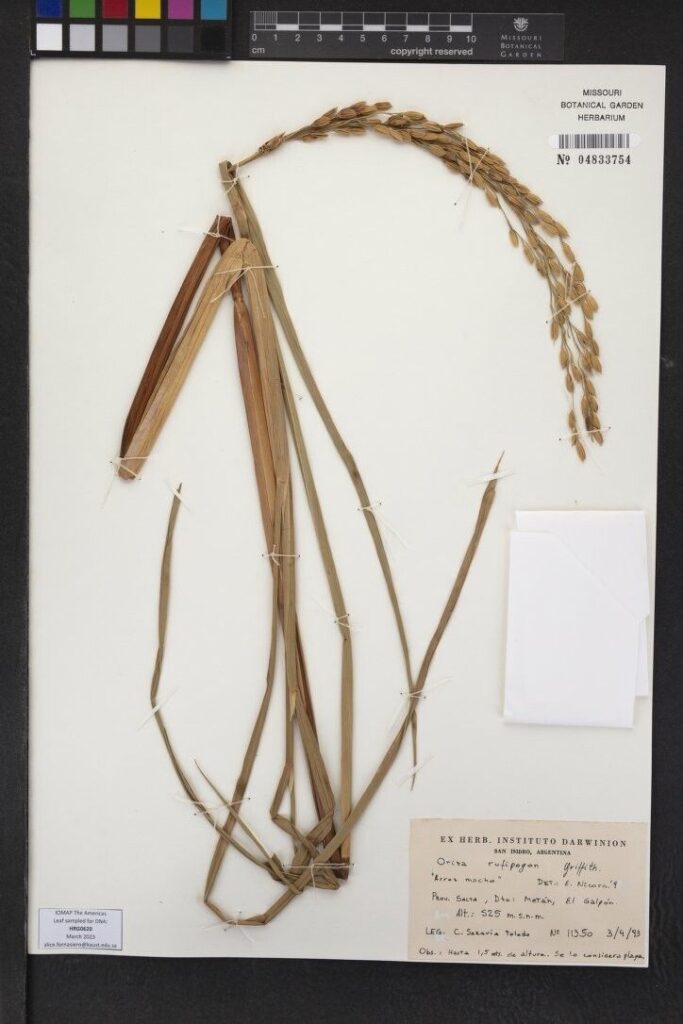
Unlocking Nature’s Secret: How to Propagate the Ancient Rice Ancestor, Oryza rufipogon
You might be surprised to learn that the rice we eat every day, a staple food for billions, descends from a wild, adaptable ancestor: Oryza rufipogon. This remarkable plant, found growing in flooded wetlands across Asia, holds the key to future rice security, even in unpredictable climates. But did you know you can bring a piece of its enduring history into your own garden? Let’s dive into the world of Oryza rufipogon propagation and explore the fascinating techniques involved.
The Power of Seeds:
Oryza rufipogon readily reproduces through seeds, making it a simple and rewarding plant to grow. While you can purchase seeds commercially, collecting your own is a truly engaging experience. Look for mature rice panicles on your plant, typically brown and drooping, signifying ripeness. Harvest these panicles, thresh them to remove the seeds, and dry them in a cool, airy place for several days. Once dried, store your precious seeds in an airtight container in a cool, dark environment.
The Art of Direct Sowing:
The most common method of growing Oryza rufipogon is direct sowing. This technique is simple and mimics the plant’s natural growth cycle in the wild. Choose a sunny location with moist, well-drained soil, preferably near a water source for easy irrigation.
- Timing is Key: The best time to sow Oryza rufipogon seeds is during the warm months, preferably after the last frost. Start by scattering the seeds directly onto the soil surface, roughly 2 inches apart. Lightly cover them with a thin layer of soil and water thoroughly.
- Patience is a Virtue: Germination may take a few weeks, but once the seedlings emerge, thin them out to ensure healthy, robust growth.
The Magic of Vegetative Propagation:
For a faster and more reliable method of propagation, try vegetative propagation. This technique involves using cuttings or divisions of the existing plant to create new ones:
- Cuttings: Take stem cuttings, around 6 inches long, from healthy, mature Oryza rufipogon plants. Trim the leaves from the bottom few inches and dip the cut end in a rooting hormone. Plant the cuttings in a moist propagation bed or pot filled with a soilless mix. Keep the cuttings in a humid environment, such as a greenhouse or covered tray, until roots develop.
- Divisions: Carefully dig up a mature Oryza rufipogon plant and gently separate the root clumps into sections. Plant the divisions in their new locations, ensuring each one has healthy roots and new growth.
Caring for Your Wild Rice Ancestor:
- Water is life: Oryza rufipogon thrives in waterlogged conditions, similar to its natural wetland habitat. Keep the soil consistently moist, and consider planting it near a pond, stream, or even a shallow container of water.
- Feed the roots: Regular fertilization with a balanced, organic fertilizer will provide the nutrients your plant needs to flourish.
- Protect from pests: While generally resistant, Oryza rufipogon may be susceptible to common pests like aphids and rice weevils. Keep an eye out for any signs of infestation and take action if necessary.
Beyond Your Garden:
Propagating Oryza rufipogon not only brings a unique and beautiful plant to your garden, but also supports the future of rice biodiversity and food security. As a wild ancestor of our cultivated rice, it holds valuable genetic traits that can be used to breed drought-resistant, disease-resistant, and high-yielding rice varieties. By growing Oryza rufipogon, you are not only contributing to your own gardening success but also playing a vital role in safeguarding our future food supply.