
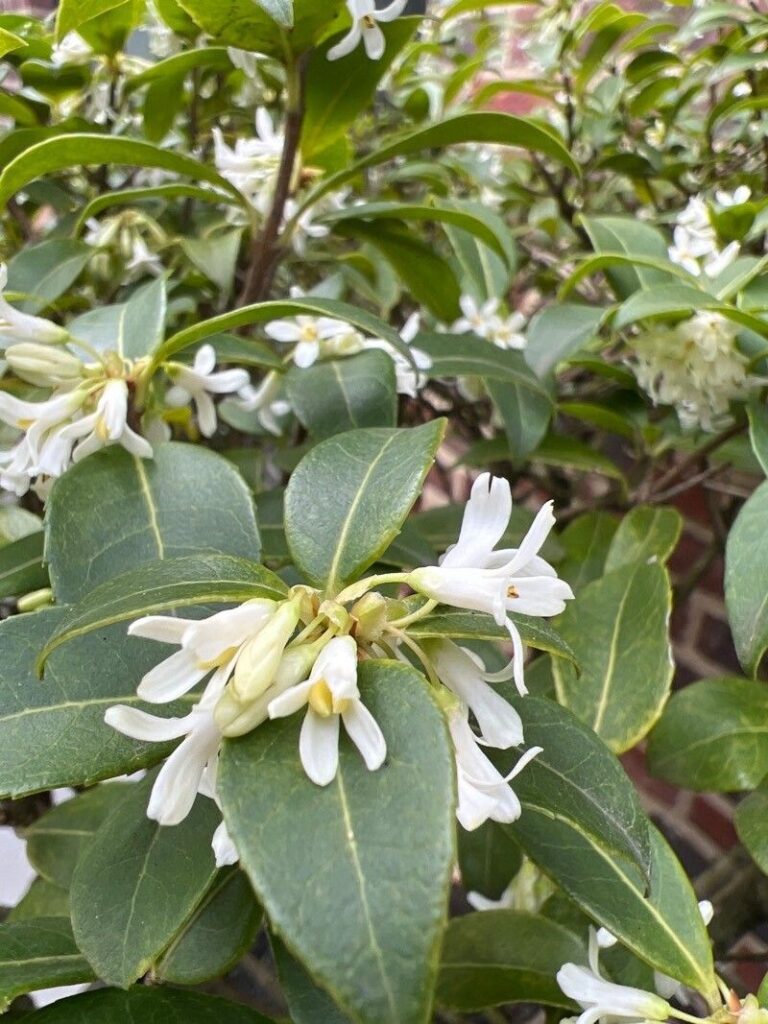
From One to Many: Mastering the Art of Osmanthus Decorus Propagation
The Osmanthus decorus, commonly known as the “Sweet Olive,” is a beautiful and fragrant shrub beloved for its delicate white blossoms and intoxicating aroma. But did you know that you can easily grow more of these plants in your garden by utilizing the wonders of propagation? This guide will equip you with the necessary knowledge to successfully propagate Osmanthus decorus, allowing you to share this delightful shrub with friends, fill your garden with more fragrance, or start a new collection.
The Basics of Propagation: A Journey of Renewal
Propagation is the process of creating new plants from existing ones. With Osmanthus decorus, you can essentially “clone” the parent plant, ensuring that the offspring inherit its unique beauty, fragrance, and hardiness. Unlike growing from seed, where genetic mixing occurs, propagation allows for a faithful reproduction of the parent plant’s characteristics.
Methods of Propagation: Exploring Your Options
There are two main methods for propagating Osmanthus decorus:
- Softwood Cuttings: This method involves taking cuttings from the new, soft growth of the current season. The key is to select healthy, vigorous stems with ample leaf development.
- Semi-hardwood Cuttings: This method employs cuttings taken from more mature wood, typically in late summer or early fall. These cuttings are slightly tougher than softwood cuttings but still flexible enough to root successfully.
Choosing the Perfect Timing for Your Method:
Softwood cuttings are best taken in late spring or early summer when new growth is tender. For semi-hardwood cuttings, the ideal time is late summer or early fall, when the wood has started to harden but is still pliable.
Step-by-Step Guide for Propagation
Let’s dive into the specific steps for each propagation method:
1. Softwood Cuttings:
- Cuttings: Choose healthy stems that are 4-6 inches long. Make a clean cut below a leaf node with a sharp, clean knife or pruning shears.
- Preparation: Remove the lower leaves and make a small cut at the base of the cutting to encourage root growth.
- Rooting Medium: Prepare a pot filled with a loose, well-draining mix of equal parts perlite and peat moss. Water thoroughly and allow the excess to drain.
- Planting: Dip the cut end of the cutting into rooting hormone powder and gently insert it into the rooting mix. Ensure that at least one node is submerged below the soil.
- Care: Mist the cuttings daily, as moist conditions are crucial for successful root development. Cover the pot with a plastic dome to create a humid environment.
- Rooted Cuttings: Check for root development after about 4 – 6 weeks. Gently tug the cutting to see if it’s firmly rooted. Once roots have formed, the dome can be removed gradually.
2. Semi-hardwood Cuttings:
- Cuttings: Take cuttings that are 6-8 inches long, similar to softwood cuttings, but use slightly older, more matured stems.
- Preparation: Remove the lower leaves as with softwood cuttings.
- Rooting Medium: Same perlite and peat moss mix as for softwood cuttings.
- Planting: Follow the same planting process as for softwood cuttings.
- Care: Mist the cuttings daily, but they are less sensitive to drying out than softwood cuttings. They need a consistently moist environment, but not overly wet.
- Rooted Cuttings: Semi-hardwood cuttings may take a bit longer to root, but the process is similar to softwood cuttings.
Aftercare: Nurturing Your New Osmanthus Decorus
Once your cuttings have rooted, you can transplant them into individual pots containing well-draining potting mix. Provide them with bright, indirect light and water regularly, allowing the top inch of soil to dry slightly between waterings.
With a little patience and proper care, you’ll be thrilled to see your new Osmanthus decorus plants thriving and adding their sweet fragrance to your garden.