
Propagating Osmanthus monticola: Challenges and Rewards of Cultivating the Mountain Osmanthus
Introduction:
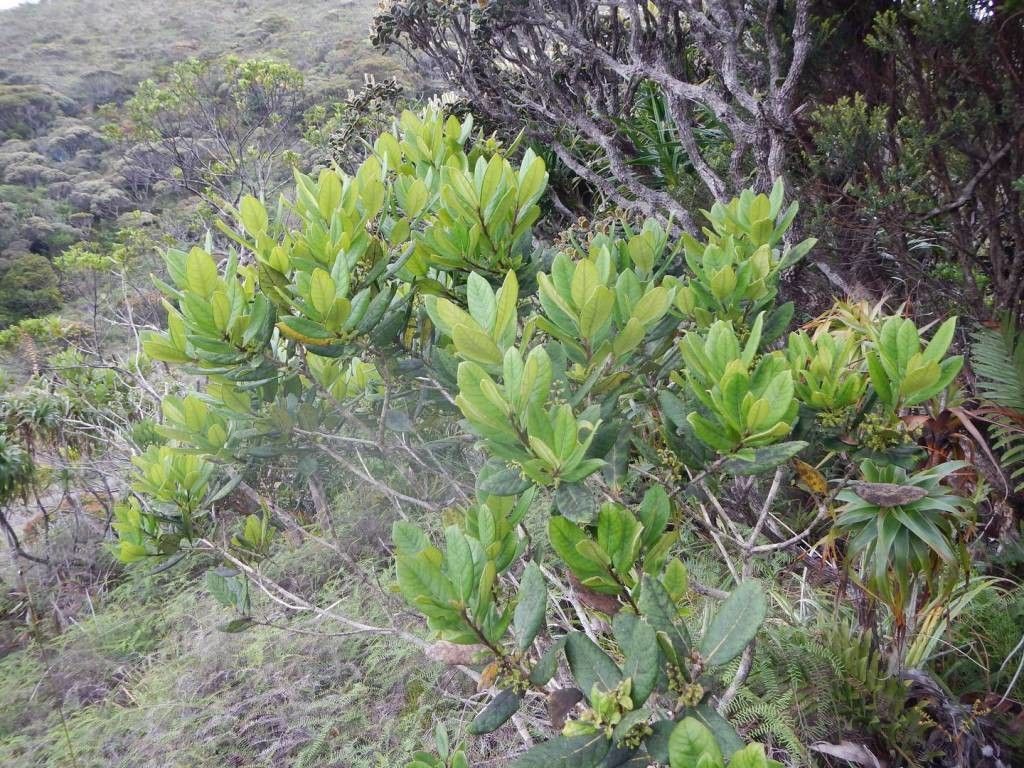
Osmanthus monticola, commonly known as the mountain osmanthus, is a captivating evergreen shrub prized for its fragrant, creamy white flowers and glossy, dark green foliage. Native to mountainous regions of China, this species holds a special place in the hearts of gardeners seeking a unique and richly scented addition to their landscapes. While its beauty is undeniable, propagating Osmanthus monticola presents several challenges, making successful cultivation a particularly rewarding experience. Its relatively slow growth rate and specific environmental needs contribute to the difficulty, but the unique rewards are worth the effort for those determined to master its propagation.
Seed Germination:
Currently, there are no known reliable methods for seed germination propagation of Osmanthus monticola. While seeds may be produced, the germination rate is extremely low, and even then, seedlings often exhibit poor vigor and slow growth. Further research into specific germination requirements, including potential stratification techniques and hormonal treatments, could possibly unlock the potential of seed propagation in the future.
Cuttings:
Cuttings offer a more reliable method for propagating Osmanthus monticola. However, challenges still exist.
Challenges: Osmanthus monticola cuttings can be slow to root, often requiring specialized techniques and considerable patience. The success rate is significantly dependent on factors such as cutting maturity, the use of rooting hormones, and maintaining optimal humidity and temperature.
Practical Tips: Semi-hardwood cuttings taken in late summer or early autumn generally yield better results. Use a sharp, clean blade to take cuttings of about 4-6 inches in length, removing lower leaves to prevent rot. Dip the cut ends in a rooting hormone solution and plant them in a well-draining medium such as perlite or a mix of perlite and peat moss. Maintain high humidity using a propagator or by covering the cuttings with a plastic bag. Consistent bottom heat can significantly improve rooting success.
Rewards: Cuttings propagation ensures the preservation of desirable traits from the parent plant, providing a straightforward method for producing genetically identical plants. This is particularly valuable for cultivars with unique characteristics.
Division:
Division is generally not a practical method for propagating Osmanthus monticola. The plant’s root structure is not conducive to easy division, and the process often results in damage to the plant and low survival rates of the divisions.
Tissue Culture:
Tissue culture presents a potential avenue for large-scale propagation of Osmanthus monticola.
Challenges: Establishing and maintaining sterile conditions is crucial for successful tissue culture. Developing an appropriate nutrient medium and growth regulator regime specific to this species requires specialized knowledge and equipment. This method is more complex and costly than other propagation methods.
Practical Tips: Specialized laboratories with experience in woody plant tissue culture are necessary for successful propagation. The process involves sterilizing plant material, inducing callus formation, and subsequently developing plantlets that can be later transferred to potting media.
Rewards: Tissue culture offers the highest potential for large-scale propagation, producing numerous genetically identical plants quickly and efficiently. It also allows for the propagation of disease-free plants, unlike cuttings which could potentially carry pathogens.
Conclusion:
Propagating Osmanthus monticola presents a unique set of challenges, with cuttings offering the most reliable method among readily accessible techniques. While seed germination and division prove impractical currently, tissue culture provides a promising large-scale solution, albeit a complex and costly one. The rewards, however, are tangible: the intoxicating fragrance of your own successfully propagated mountain osmanthus, a testament to your dedication and patience. Each successfully rooted cutting or plantlet cultivated through tissue culture is a significant achievement, deeply satisfying for the propagator. Don’t be discouraged by the difficulties – the unique beauty and enduring fragrance of Osmanthus monticola make the effort well worthwhile. Embrace the challenges, learn from any setbacks, and celebrate the successes along the way; the journey is as rewarding as the final outcome.