
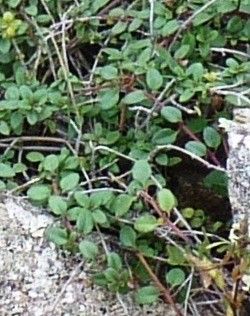
Propagating Thymus origanoides: A Gardener’s Guide to the Oregano Thyme
Thymus origanoides, commonly known as oregano thyme, is a captivating low-growing, evergreen perennial prized for its aromatic foliage and delicate lavender-pink flowers. Its compact habit makes it an ideal choice for rock gardens, borders, and even containers, adding a touch of Mediterranean charm to any landscape. While its beauty is undeniable, propagating oregano thyme can be challenging, requiring patience and precision. This guide explores various propagation methods, weighing their viability and highlighting the rewards for those willing to undertake the task.
Seed Germination:
Currently, there are no known reliable methods for seed germination propagation of Thymus origanoides. While some species of Thymus may produce viable seeds, oregano thyme’s seed production is often unreliable, with low germination rates even under optimal conditions. Furthermore, seedlings often exhibit variability, potentially not retaining the desirable characteristics of the parent plant.
Cuttings:
Cuttings represent a considerably more reliable method for propagating oregano thyme.
Challenges: Success depends heavily on timing and technique. Using semi-hardwood cuttings taken in late spring or early summer yields the best results.
Practical Tips: Take 4-6 inch cuttings from non-flowering stems. Remove lower leaves, dip the cut ends in rooting hormone, and plant them in a well-draining propagation mix (e.g., a blend of perlite and vermiculite). Maintain high humidity using a propagation dome or plastic bag. Regular misting is crucial, preventing the cuttings from drying out.
Rewards: This method ensures the preservation of the parent plant’s desirable traits. It’s relatively straightforward and allows for relatively quick propagation of several plants from a single parent.
Division:
Division is another effective method, particularly suitable for established plants.
Challenges: This method is only feasible when the plant has developed a robust root system. Careless division can damage the plant, stunting its growth or even killing it.
Practical Tips: In spring or early autumn, gently dig up the mature plant. Carefully separate the root ball into smaller sections, ensuring each division has sufficient roots and stems. Replant the divisions immediately, ensuring adequate spacing for future growth.
Rewards: Division is a simple and relatively quick way to increase the number of oregano thyme plants. It preserves the genetic characteristics of the parent plant.
Tissue Culture:
Tissue culture offers the potential for large-scale propagation and the production of disease-free plants.
Challenges: This is a specialized technique requiring a controlled laboratory environment, sterile equipment, and a strong understanding of plant tissue culture protocols. The initial setup costs can be significant.
Practical Tips: This method involves establishing sterile cultures from small plant tissues, such as shoot tips or leaf segments, and growing them in a nutrient-rich medium under controlled conditions. Specialized expertise and equipment are required.
Rewards: Tissue culture allows for rapid propagation of a large number of genetically identical plants. It’s ideal for conserving rare or endangered cultivars and producing high-quality planting material for commercial purposes.
Conclusion:
Propagating Thymus origanoides presents unique challenges depending on the chosen method. While seed germination is unreliable, cuttings and division offer relatively accessible and successful options for the home gardener. Tissue culture, though more complex, unlocks the potential for broader-scale propagation and disease control. The satisfaction of successfully propagating oregano thyme, however, transcends the difficulties. Seeing those tiny cuttings root, or a divided clump thrive, is a testament to patience and horticultural skill. Don’t be discouraged by initial setbacks – experiment with different methods, learn from your mistakes, and enjoy the journey of cultivating this delightful herb. The fragrant reward will be well worth the effort.