
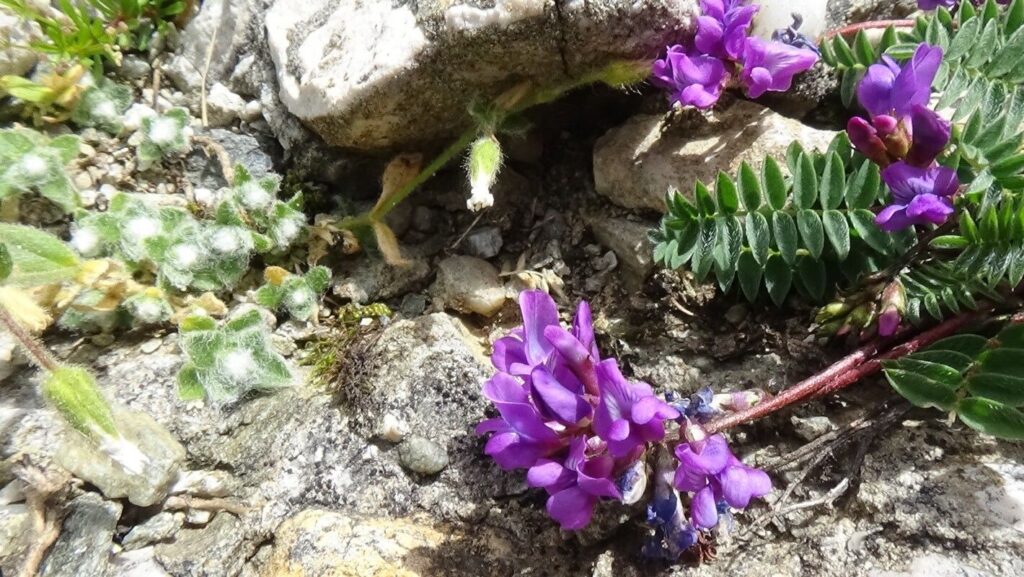
Oxytropis carpatica: From Seed to Success: A Guide to Propagation
Oxytropis carpatica, a captivating alpine wildflower with delicate purple blooms, is a plant that brings a touch of mountaintop charm to any garden. But how do you bring this beauty home? Luckily, propagating Oxytropis carpatica is achievable with a bit of patience and the right techniques.
Understanding the Basics of Propagation
Propagation, simply put, is the art of creating new plants from existing ones. There are two main methods: sexual propagation (using seeds) and asexual propagation (using plant parts like stems, leaves, or roots). Both methods have their pros and cons, and the best approach for Oxytropis carpatica depends on your goals and resources.
Method 1: From Seed to Bloom
a) Seed Collection and Storage:
Oxytropis carpatica seeds are best collected in late summer or early fall when the seed pods are fully ripe. Look for brown, dry pods, and carefully harvest them before they burst open. Store the seeds in a cool, dry place until planting.
b) Sowing the Seeds:
The ideal time to sow Oxytropis carpatica seeds is in the spring, either directly outdoors or in seed trays indoors. Sow the seeds thinly on the surface of seed compost, barely covering them with soil. Remember to keep the compost moist, but not waterlogged.
c) Patience is Key:
Oxytropis carpatica seeds can take several weeks to germinate, so be patient. You can encourage germination by chilling the seeds for at least six weeks before sowing. This simulates the natural winter process that many alpine plants experience.
d) Transplanting:
Once the seedlings have developed a few true leaves, they can be transplanted into individual pots or directly into the garden bed. Choose a sunny location with well-draining soil that mimics the alpine environment.
Method 2: Taking Cuttings
a) Preparing Cuttings:
Oxytropis carpatica can also be propagated from stem cuttings. Take cuttings in late spring or early summer from non-flowering stems. Choose cuttings that are about 4-6 inches long, and cut them just below a leaf node.
b) Root Hormones:
Dip the cut ends of the cuttings in a rooting hormone solution to encourage root formation.
c) Rooting Medium:
Plant the cuttings in a well-draining rooting medium, such as a mix of peat moss and perlite, or a specialized rooting mix. Keep the medium consistently moist.
d) Humidity is Essential:
For optimal rooting, cover the cuttings with a clear plastic dome or bag to create a humid micro-environment. Place them in a bright location but avoid direct sunlight.
e) Patience Again:
Rooted cuttings should develop within several weeks. Once roots have formed, the cuttings can be gradually acclimated to outdoor conditions and then transplanted into the garden.
Tips for Successful Propagation
- Soil: Oxytropis carpatica thrives in well-draining, slightly acidic soil.
- Light: These plants prefer full sun to partial shade.
- Watering: Water regularly, but allow the soil to dry out slightly between waterings.
- Protection: In colder regions, provide winter protection with a layer of mulch.
While the beauty of Oxytropis carpatica might tempt you to buy a plant from a nursery, propagation offers a rewarding experience of bringing a new life to your garden. With a little time and effort, you’ll not only have a thriving plant but also a deep satisfaction of seeing its journey from seed to bloom. So, grab a seed pod, a pair of sharp scissors, and embark on your own journey of propagating Oxytropis carpatica!