
Taming the Wild Beauty: Propagating Lambert’s Locoweed (Oxytropis lambertii)
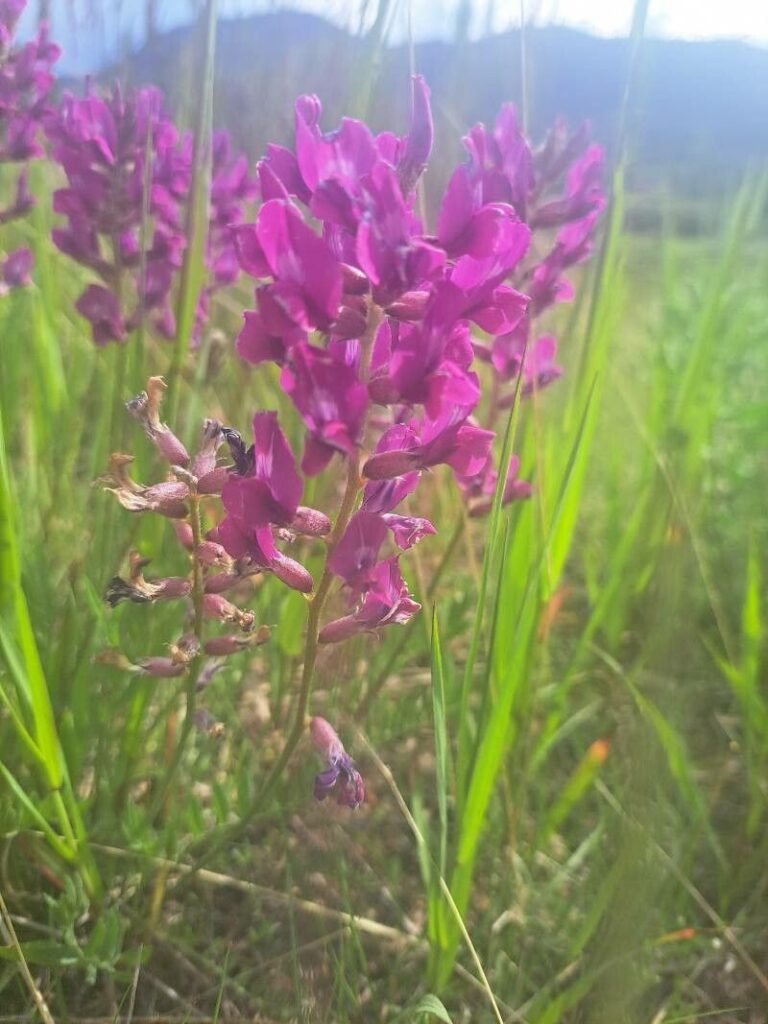
Lambert’s Locoweed, with its striking purple blooms clustered atop silvery foliage, might sound like something out of a Western film. However, this wildflower, scientifically known as Oxytropis lambertii, can bring a touch of prairie charm to your garden. But be warned, taming this beauty requires a bit of patience and a touch of green thumb finesse. Let’s explore the world of propagating Oxytropis lambertii and learn how to successfully cultivate this unique plant.
Understanding the Plant: Before diving into propagation, it’s essential to understand the nature of the beast, so to speak. Oxytropis lambertii is a perennial legume native to the prairies of North America. While its beauty is undeniable, it’s important to note that this plant is considered toxic to livestock, hence the name “locoweed.” Therefore, exercise caution if you have grazing animals and consider planting it in a protected area.
Methods of Propagation:
- Seeds: The most common way to propagate Oxytropis lambertii is through seeds. However, these seeds have a hard outer coating that requires scarification to enhance germination rates.
- Scarification Techniques:
- Mechanical: Gently rubbing the seeds between sandpaper or nicking them with a nail clipper can be effective.
- Heat Treatment: Briefly soaking the seeds in hot (not boiling) water can soften the outer layer.
- Sowing: Once scarified, sow the seeds in a well-draining seed-starting mix, covering them lightly with soil. Maintaining consistent moisture and a warm temperature (around 70°F) will encourage germination, which can take anywhere from a few weeks to a couple of months.
- Scarification Techniques:
- Cuttings: While less common, propagation from cuttings is possible. Take basal cuttings in the spring, ensuring you get a piece of the root crown along with the stem. Dip the cut end in rooting hormone and plant it in a moist, well-draining potting mix.
Caring for Young Plants: Oxytropis lambertii thrives in full sun and well-drained soil. Water regularly until established, then allow the soil to dry slightly between waterings. Once established, this plant is relatively drought-tolerant. Fertilizing is generally not necessary, as Oxytropis lambertii fixes nitrogen from the air, enriching the soil.
Bringing the Prairie Home: Oxytropis lambertii is a beautiful and hardy addition to rock gardens, xeriscapes, or wildflower meadows. Its vibrant purple blooms attract pollinators, making it an excellent choice for supporting local ecosystems. Remember to be mindful of its toxicity to livestock and keep it away from grazing areas.
By following these simple guidelines, you can successfully propagate and grow Oxytropis lambertii, adding a touch of rugged beauty and ecological value to your outdoor space.