
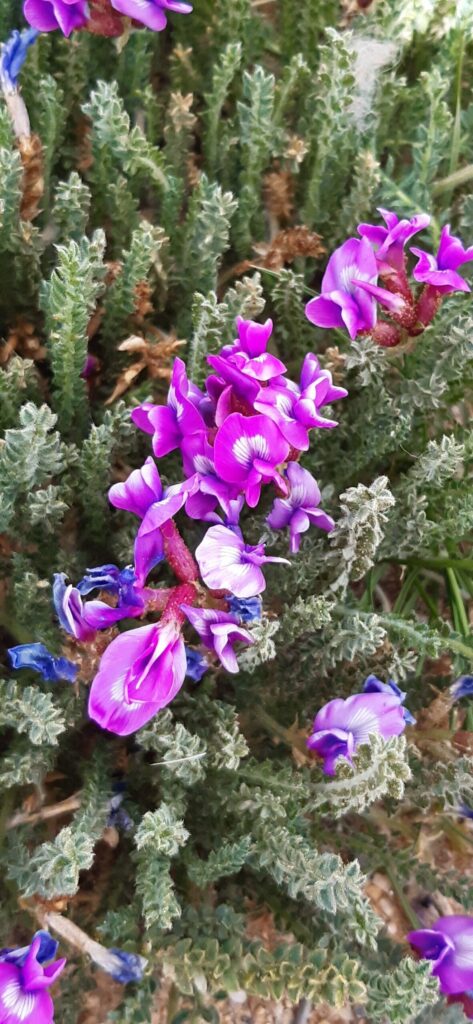
Taming the Tiny Trumpet: A Guide to Propagating Oxytropis microphylla
The world of wildflowers is brimming with hidden gems, and Oxytropis microphylla, also known as the Littleleaf Locoweed, is no exception. Don’t let the “weed” label mislead you; this dainty perennial boasts charming trumpets of violet-blue flowers and thrives in the harshest of conditions. If you’re keen on introducing this resilient beauty to your rock garden or wildflower meadow, you might be surprised to learn that propagating Oxytropis microphylla, while not for the faint of heart, is achievable with a bit of patience and the right techniques.
Seeds: Embracing the Challenge
Propagating Oxytropis microphylla from seeds is the most common method, but it comes with its own set of hurdles. The seeds are notoriously fickle, often exhibiting inconsistent germination rates. To increase your chances of success, consider these tips:
- Scarification is Key: The seeds possess a hard outer coating that needs to be gently abraded for successful germination. Use sandpaper to nick the seed coat or soak the seeds in warm water for 24 hours.
- Cold Stratification Mimics Nature: In their natural environment, the seeds experience winter’s chill before sprouting. Replicate this by placing the scarified seeds in a moistened paper towel within a sealed plastic bag and refrigerating them for 6-8 weeks.
- Sowing with Care: Plant the cold-stratified seeds in a well-draining seed starting mix, barely covering them with soil. Maintain a consistent moisture level and a cool temperature (around 18-21°C or 65-70°F). Germination can be agonizingly slow, taking anywhere from a few weeks to several months.
Division: For the Established Patches
If you have an existing patch of Oxytropis microphylla, division is another propagation option. However, this method is best suited for well-established plants and should be attempted in early spring or fall. Here’s how to go about it:
- Careful Extraction: Gently dig around the plant, ensuring you’ve loosened a good amount of soil to avoid damaging the roots.
- Dividing with Precision: Use a sharp, clean knife to divide the plant into sections, making sure that each section has a healthy root system.
- Replanting for Success: Immediately replant the divisions in well-draining soil and water them thoroughly. Keep the newly divided plants consistently moist until they establish themselves.
A Final Note: Patience is a Virtue
Propagating Oxytropis microphylla demands patience and a touch of luck. Don’t be disheartened by initial setbacks. Each attempt provides valuable learning experience. With persistence and the right approach, you’ll be rewarded with the satisfaction of seeing these enchanting wildflowers grace your garden, adding a touch of wild beauty to your landscape.