
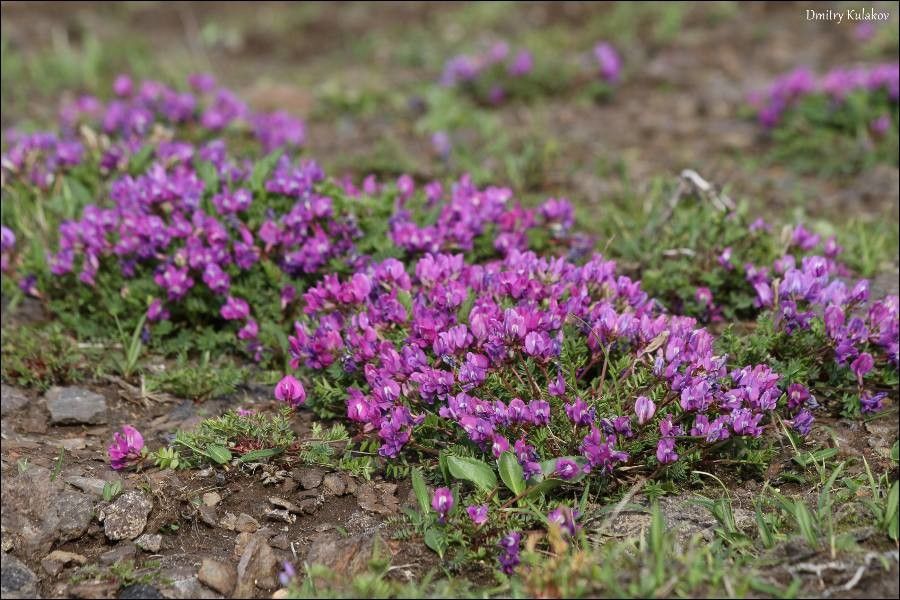
Taming the Wildflower: Propagation Techniques for the Elusive Oxytropis revoluta
The Oxytropis revoluta, also known by its charming moniker, the “Halfmoon Locoweed,” is a captivating wildflower boasting intricate blooms and a resilient nature. Native to the western United States, this low-growing perennial graces meadows, hillsides, and even rocky outcrops with its delicate presence.
While admiring this wild beauty in its natural habitat is a reward in itself, many gardening enthusiasts and plant lovers are drawn to the challenge of cultivating Oxytropis revoluta. Propagating this seemingly delicate flower, however, requires understanding its preferences and employing a bit of patience.
Two Paths to Propagation
There are two primary methods for propagating Oxytropis revoluta:
-
Seeds: The most common and generally successful method involves collecting seeds from mature seed pods in the late summer or early fall.
-
Scarification Secret: Oxytropis revoluta seeds possess a hard outer coating that requires scarification to improve germination rates. Gently nicking the seed coat with a nail clipper or lightly rubbing it with sandpaper disrupts this barrier, allowing water to penetrate and trigger germination.
- Sowing the Seeds: Sow the scarified seeds in a well-draining seed starting mix, covering them lightly with soil. Maintain a cool, moist environment and be prepared for a wait – germination can take several weeks or even months.
-
-
Cuttings: For a faster, albeit less reliable, method, you can attempt to propagate Oxytropis revoluta from cuttings.
-
Timing is Key: The optimal time to take cuttings is in the spring when new growth emerges.
-
The Cutting Edge: Select healthy, non-flowering stems and make a clean cut just below a leaf node.
-
Rooting Hormone Boost: Dipping the cut end in rooting hormone can significantly increase the chances of successful rooting.
- Nurturing New Roots: Plant the cuttings in a well-draining potting mix and keep them consistently moist. Providing a humid environment by covering the cuttings with a plastic dome or using a propagation tray can be beneficial.
-
Essential Care for Success
Whether you choose seeds or cuttings, replicating the Oxytropis revoluta’s preferred growing conditions is vital for success:
-
Sun Worshiper: These wildflowers thrive in full sun exposure, so ensure your chosen propagation site receives at least 6-8 hours of direct sunlight daily.
-
Drainage is Paramount: Oxytropis revoluta prefers well-drained soil, so amending heavy clay soil with sand or gravel is essential.
-
Lean Feeding: Avoid over-fertilizing, as excess nutrients can hinder growth and flowering.
- Water Wisely: Water deeply but infrequently, allowing the soil to dry out slightly between waterings.
Patience is a Virtue
Propagating Oxytropis revoluta is not always a quick process. Embracing patience and maintaining a consistent environment are key. With dedication and a little bit of luck, you’ll be rewarded with the satisfaction of seeing these captivating wildflowers grace your own garden.