
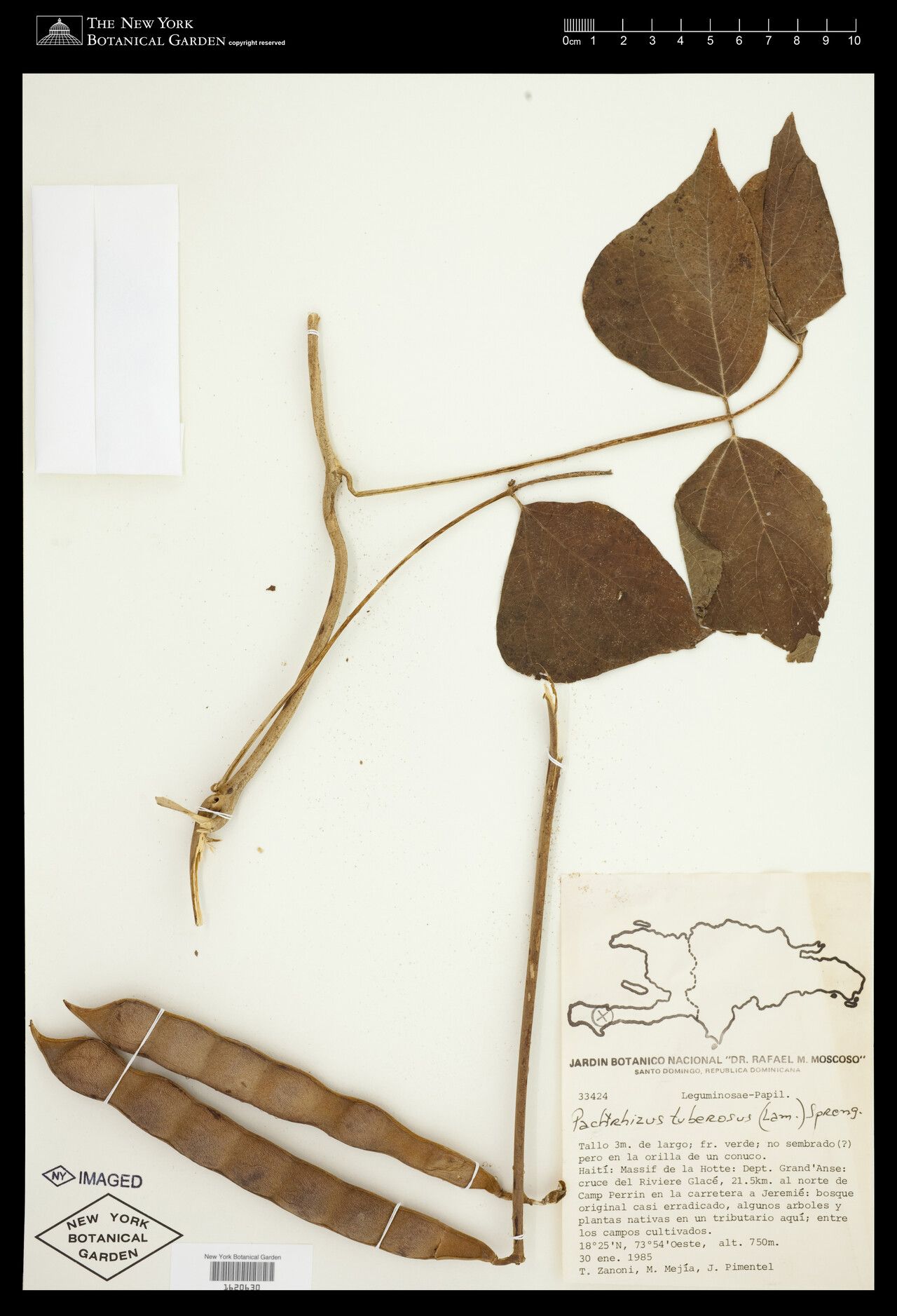
Propagating Jícama: Unlocking the Secrets of Pachyrhizus tuberosus
Introduction:
Pachyrhizus tuberosus, commonly known as jícama, is a fascinating and rewarding plant to cultivate. This vining legume is prized for its crisp, sweet, water-rich tuber, a refreshing addition to salads and other dishes. Its attractive foliage and climbing habit also make it a visually appealing choice for gardens, trellises, or even as a ground cover. While relatively easy to grow from established plants, propagating jícama presents unique challenges, making successful propagation a particularly satisfying accomplishment. This article explores the various methods available for propagating this intriguing plant.
Seed Germination:
Seed germination is a viable method for propagating Pachyrhizus tuberosus, though it can be somewhat unpredictable. One of the main challenges lies in the hard seed coat, which can hinder water uptake and germination.
Challenges: Low germination rates and inconsistent timing are common.
Practical Tips: Scarification is crucial. This can be achieved by gently nicking the seed coat with a file or sandpaper, being careful not to damage the embryo. Soaking the seeds in warm water for 24-48 hours before sowing can also improve germination rates. Sowing should be done in well-draining soil, with seeds planted about 1 inch deep. Maintaining consistently moist (but not waterlogged) soil and warm temperatures (around 70-80°F) are essential.
Rewards: Seed propagation offers the greatest genetic diversity, enabling the cultivation of various jícama varieties with potential differences in tuber size, flavor, and disease resistance. It also allows for large-scale propagation, making it a good option for farmers and commercial growers.
Cuttings:
Cuttings are generally not a reliable method for propagating Pachyrhizus tuberosus. Though stem cuttings might root under specific conditions in humid environments, the success rate is low, making this method impractical for most home gardeners.
Division:
Division of established plants is a highly effective method for propagating jícama. This involves carefully separating the tuber into multiple sections, each containing several "eyes" (dormant buds).
Challenges: Improper division can lead to the decay of the cut sections. It’s essential to use a sharp, sterile knife to minimize damage and prevent disease.
Practical Tips: Allow the cut sections to dry slightly before planting to prevent rot. Plant the sections with the eyes facing upwards, ensuring adequate spacing to prevent overcrowding.
Rewards: Division is a quick and reliable way to increase the number of jícama plants, particularly suitable for home gardeners with existing plants. It also maintains the genetic characteristics of the parent plant.
Tissue Culture:
Tissue culture propagation of Pachyrhizus tuberosus is possible, but requires specialized laboratory equipment and expertise.
Challenges: This method is complex, expensive, and requires a highly controlled environment. It also demands specialized knowledge of plant tissue culture techniques.
Practical Tips: This method is best left to commercial laboratories or research facilities.
Rewards: Tissue culture allows for the rapid multiplication of disease-free plants and the conservation of rare varieties. It presents opportunities for large-scale propagation with high uniformity.
Conclusion:
Propagating jícama presents a range of challenges across different methods. While seed germination provides genetic diversity but has a variable success rate, division offers a high success rate but limited genetic variation. Cuttings are unreliable, and tissue culture, though powerful, is inaccessible for most. The rewards, however, are well worth the effort. Successfully nurturing a jícama plant from seed or division, witnessing its vigorous growth and finally harvesting the refreshing tubers, is an immensely satisfying experience. Don’t be discouraged by initial setbacks. Experiment with different techniques, learn from your experiences, and enjoy the journey of cultivating this unique and delicious plant. Remember to always prioritize sterile techniques to avoid fungal and bacterial infections, irrespective of the chosen method.