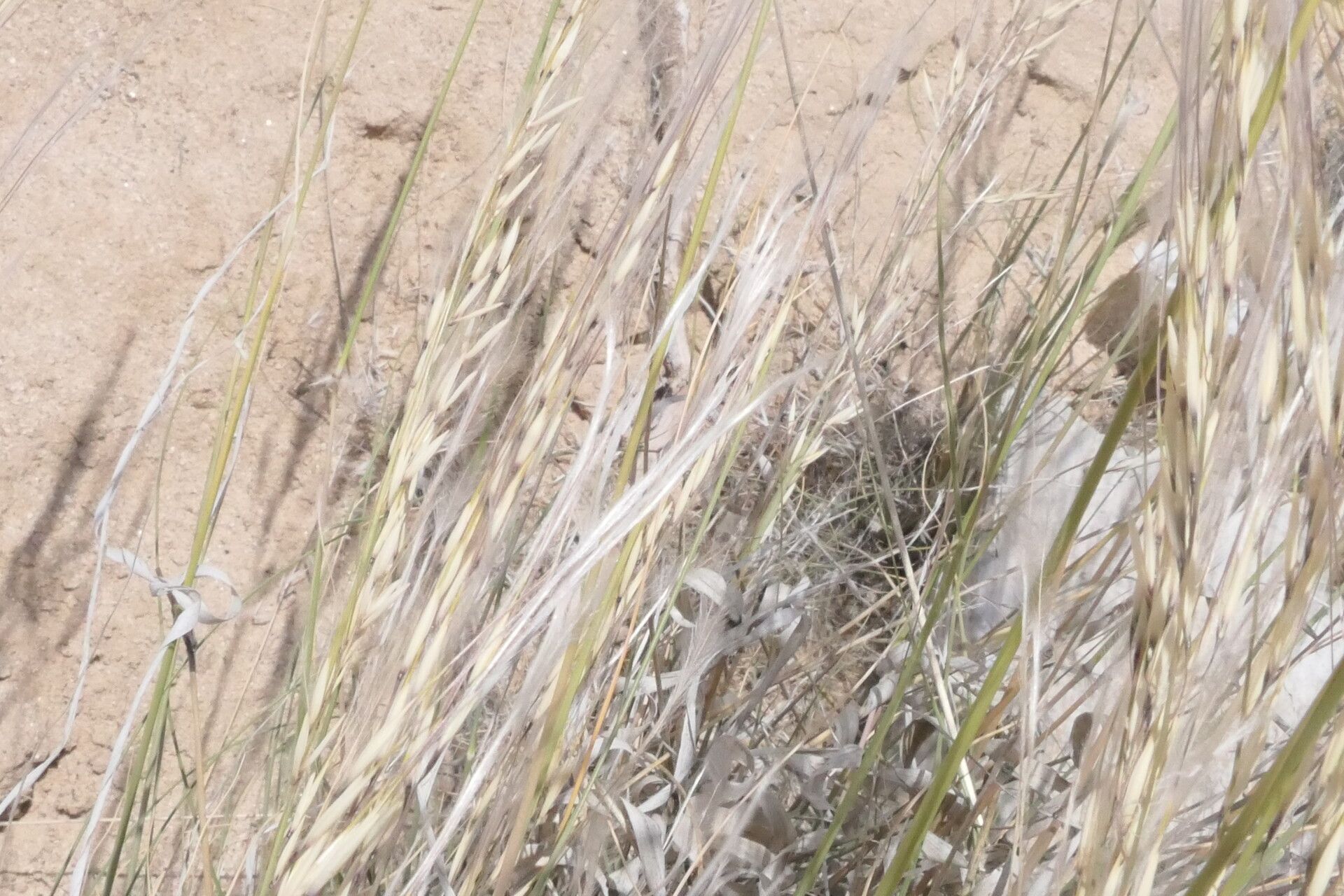
How to Propagate Stipagrostis ciliata

Propagating Stipagrostis ciliata: A Challenging but Rewarding Endeavor

Stipagrostis ciliata, commonly known as the fringed spear grass, is a visually striking ornamental grass appreciated for its delicate, feathery seed heads and graceful form. Its drought tolerance and adaptability make it a popular choice for xeriscaping and low-maintenance gardens. However, propagating this attractive grass presents unique challenges, making successful cultivation a particularly rewarding experience.

Seed Germination:

Currently, there are no known reliable methods for seed germination propagation of Stipagrostis ciliata. While seeds may be produced, they often exhibit very low germination rates, and even under optimal conditions, successful germination remains unpredictable. Further research into specific pre-treatments and germination requirements is needed.

Cuttings:

Propagating Stipagrostis ciliata from cuttings is also unreliable. The success rate is low, likely due to the grass’s physiology and limited ability to regenerate from stem sections. While some anecdotal evidence suggests that basal cuttings taken with a heel might show some limited success under very specific conditions (high humidity, bottom heat) this method cannot be considered a reliable propagation technique. Further experimentation is required to refine techniques and optimize success rates.

Division:

Division offers the most reliable method for propagating Stipagrostis ciliata. This involves carefully separating established clumps into smaller sections, each containing a viable root system.

Challenges: Successfully dividing Stipagrostis ciliata requires patience and delicate handling to avoid damaging the root system. The best time for division is during the dormant season or early spring, before active growth resumes.

Practical Tips: Use a sharp, clean spade or knife to divide the clump. Ensure each division contains several healthy stems and a substantial root mass. Replant the divisions in well-draining soil, providing adequate watering until they establish themselves.

Rewards: Division offers the highest success rate, guaranteeing genetically identical plants and allowing for the rapid multiplication of desirable cultivars.

Tissue Culture:

There is limited information available concerning tissue culture propagation of Stipagrostis ciliata. This method has the potential to overcome the limitations of seed and cutting propagation, allowing for large-scale production of genetically uniform plants. However, developing a successful tissue culture protocol would require significant research, including identifying optimal media components, growth regulators, and sterilization techniques. Currently, this method is not considered a practical propagation technique for this species.

Conclusion:

Propagating Stipagrostis ciliata presents significant challenges, especially when relying on seed and cutting methods. Division provides the most reliable approach for the home gardener. While the success of tissue culture remains to be proven, this method potentially offers significant advantages for large-scale production. The overall satisfaction derived from successfully growing this beautiful grass, however, comes from acknowledging and overcoming these obstacles. The tenacity required to propagate Stipagrostis ciliata ultimately contributes to the deep appreciation felt for each thriving plant. For aspiring propagators, patience, attention to detail, and a willingness to experiment will be crucial keys to success. Start with the division method, and if you seek larger quantities, consider collaborating with botanical research institutions or nurseries specializing in tissue culture to further the knowledge and techniques surrounding this challenging-yet-rewarding species.

Stipagrostis ciliata

Taming the Windswept Beauty: Propagating Stipagrostis Ciliata

Stipagrostis ciliata, known affectionately as "bushman’s grass" or "tall bushman grass", evokes images of swaying grasslands under wide-open African skies. This elegant, drought-tolerant bunchgrass, with its delicate seed heads resembling feathery plumes, isn’t just a sight to behold in the wild – it can also be a unique and textural addition to your garden. But how do you go about propagating this captivating grass? Let’s unravel the secrets of bringing the beauty of Stipagrostis ciliata into your own backyard.

Understanding the Basics

Before diving into propagation, it’s important to know what we’re dealing with. Stipagrostis ciliata is a perennial grass, meaning it will grace your garden year after year. Its natural habitat consists of dry, rocky areas, so it thrives in well-drained soil and full sun. Understanding its natural preferences will give you a head start in providing the optimal environment for successful propagation.

Two Paths to Propagation:

1. Seed Propagation:

The most common and rewarding method for propagating Stipagrostis ciliata is through seeds. Here’s how:

  • Seed Collection & Preparation: Seeds are typically available from online retailers specializing in ornamental grasses. However, if you’re lucky enough to have access to a mature plant, you can collect seeds yourself. Look for the fluffy, silver-tinged seed heads – a sign that the seeds are ripe. Once collected, gently rub the seed heads between your hands to release the seeds.
  • Sowing: Sow the seeds in a well-draining seed-starting mix. Surface sowing is best, lightly pressing the seeds onto the soil without burying them. Keep the soil consistently moist but not waterlogged.
  • Warmth and Light: Place the seed tray in a warm, sunny location. A greenhouse or a warm windowsill will provide the ideal environment for germination.
  • Patience is Key: Germination can be slow and erratic, often taking anywhere from a few weeks to a couple of months. Don’t lose heart!
  • Transplanting: Once the seedlings have developed a strong root system and several sets of true leaves, they are ready to be transplanted into individual pots or directly into your garden.

2. Division:

While less common, dividing established clumps of Stipagrostis ciliata is another viable propagation method. Here’s how:

  • Timing is Everything: The best time to divide your grass is in early spring, just before new growth emerges.
  • Carefully Unearth: Use a sharp spade or garden fork to carefully lift the entire clump of grass from the ground.
  • Divide and Conquer: Divide the clump into smaller sections, ensuring each section has a good amount of roots and shoots.
  • Replant Immediately: Replant the divisions at the same depth they were previously growing. Water thoroughly and monitor closely as they establish themselves.

Care Tips for Your Propagated Grasses

  • Sunlight is Essential: Stipagrostis ciliata thrives in full sun locations, so choose a planting site that receives at least 6 hours of direct sunlight per day.
  • Well-Drained Soil is Crucial: Excess moisture can lead to root rot, so plant your grass in well-drained soil. Amending heavier soils with sand or gravel can improve drainage.
  • Water Wisely: Once established, Stipagrostis ciliata is remarkably drought-tolerant. Water deeply but infrequently, allowing the soil to dry out slightly between watering sessions.

Embracing the Beauty

Propagating Stipagrostis ciliata might require a bit of patience, but the reward is well worth the effort. This stunning grass, with its windswept elegance and airy plumes, will add movement, texture, and a touch of the wild to your garden landscape. So, embrace the challenge, and let the beauty of this unique grass inspire you.