
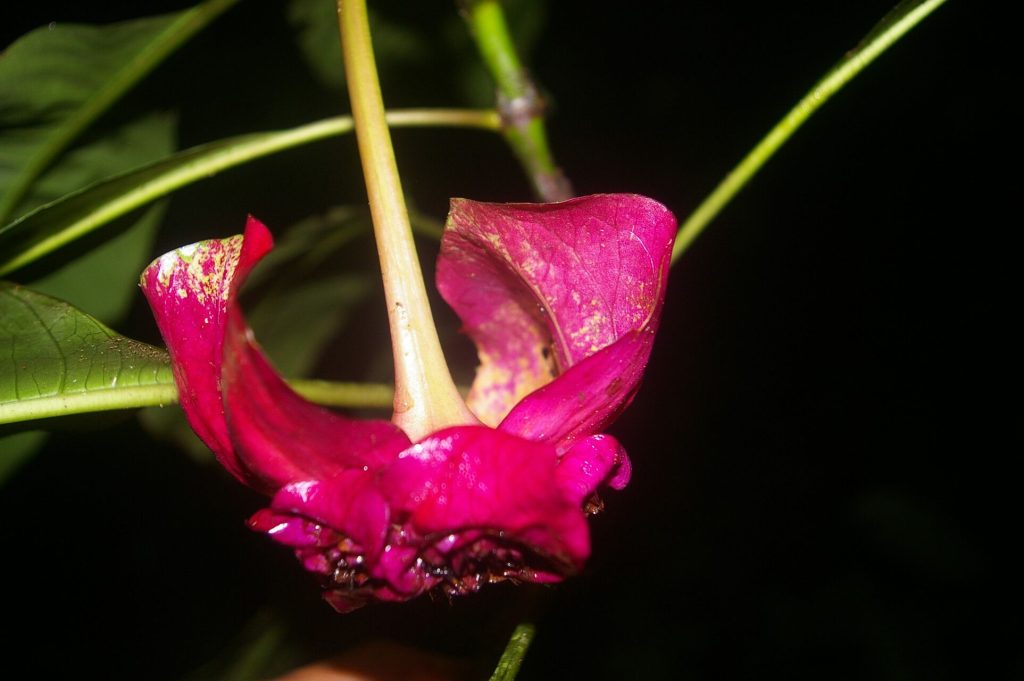
Propagating Palicourea correae: A Gardener’s Guide to the "Coralberry"
Introduction:
Palicourea correae, also known as the Coralberry, is a captivating shrub prized for its vibrant, coral-red berries that emerge from striking white flowers. Native to the rainforests of South America, its popularity amongst gardeners stems from its unique beauty and relatively compact size, making it suitable for both indoor and outdoor cultivation in suitable climates. However, propagating Palicourea correae presents certain challenges, requiring patience and meticulous attention to detail. Its relatively slow growth rate and specific environmental needs contribute to the unique satisfaction derived from successful propagation.
Seed Germination:
Currently, there are no known reliable methods for seed germination propagation of Palicourea correae. While seeds may be produced, their viability and germination rate appear exceptionally low, even under optimal conditions. Further research is needed to determine if specific pre-treatments or germination techniques could improve success.
Cuttings:
Cuttings offer a potentially more reliable method for propagating Palicourea correae.
Challenges: The relatively slow rooting rate is a significant hurdle. The success rate depends heavily on the age and health of the parent plant, the timing of the cutting, and the provision of optimal humidity and temperature.
Practical Tips: Semi-hardwood cuttings taken in late spring or early summer, approximately 4-6 inches long, are recommended. Remove lower leaves to prevent rot and dip the cut end in rooting hormone. Propagate in a well-draining potting mix, maintaining high humidity using a humidity dome or plastic bag. Bottom heat can also significantly improve rooting success.
Rewards: Cuttings yield genetically identical plants, ensuring you maintain the desirable characteristics of the parent plant. It’s a relatively straightforward method once the right conditions are established, leading to faster propagation compared to other methods (if successful).
Division:
Division is not a practical method for propagating Palicourea correae. The plant’s root system is not easily divided without causing significant damage to the parent plant, often resulting in the death of both the parent and the divided portions.
Tissue Culture:
Tissue culture offers the potential for mass propagation of Palicourea correae.
Challenges: Establishing a sterile environment and mastering the specific media requirements for successful tissue growth are technically demanding and require specialized laboratory equipment and expertise. This method is not generally accessible to home gardeners.
Practical Tips: Successful tissue culture would require expertise in plant tissue culture techniques, including sterile procedures, media preparation (containing appropriate nutrients and hormones), and monitoring for contamination.
Rewards: Tissue culture allows for rapid and large-scale multiplication of genetically identical plants, offering significant advantages for commercial propagation and conservation efforts.
Conclusion:
Propagating Palicourea correae presents unique challenges across different methods. While seed germination remains unreliable, cuttings offer a more achievable path for home gardeners, although success requires patience and attention to detail. Division is impractical, while tissue culture offers the potential for large-scale propagation but requires specialized knowledge and facilities. The inherent difficulty involved in propagating this plant only serves to enhance the satisfaction of achieving success. The vibrant berries and attractive foliage of a successfully propagated Coralberry are a testament to the gardener’s dedication and expertise, offering a unique reward for those willing to invest the time and effort. Aspiring propagators are encouraged to start with cuttings, meticulously following the recommended practices and remaining patient throughout the process. Remember, persistence and careful observation are key to unlocking the secrets of successfully cultivating this beautiful plant.