
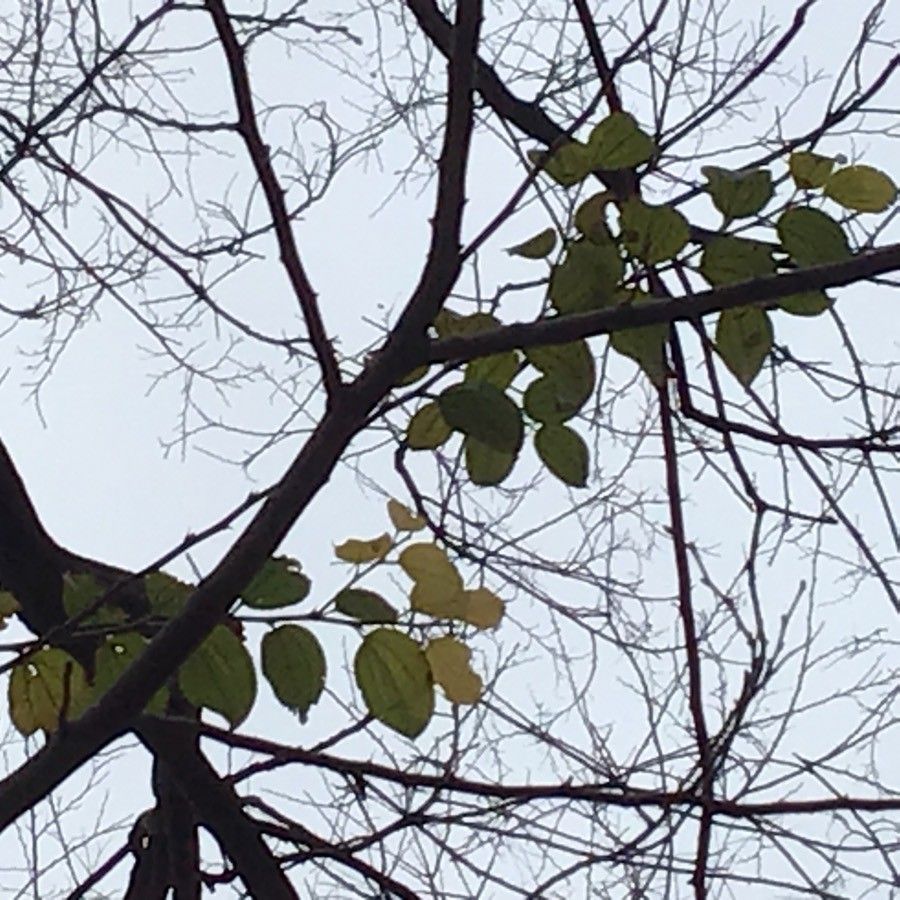
Unlock the Secrets of the Christ’s Thorn: Propagating Paliurus orientalis
You’ve admired the stunning foliage and vibrant green of the Christ’s Thorn (Paliurus orientalis) in your local botanical garden or perhaps on a recent trip. Its unique, spiny branches and intricate, twisted branches evoke a sense of ancient beauty. But wouldn’t it be amazing to bring this remarkable plant home and watch it grow in your own backyard?
The good news is, propagating Paliurus orientalis is surprisingly achievable! This article will guide you through the process, helping you unlock the secrets of cultivating this unique plant from the comfort of your own garden.
The Art of Propagation
Paliurus orientalis is a resilient species and can be propagated using three methods:
1. Seed Propagation:
This method is ideal for large-scale propagation and requires a bit more patience.
- Collecting Seeds: Begin by gathering ripe seeds from the plant’s small, yellow-green fruit.
- Seed Preparation: Lightly scarify the seed coat by gently rubbing them with sandpaper or dipping them in hot water for a few minutes. This helps break the seed’s dormancy.
- Sowing: Plant the seeds in a seed tray filled with seed-starting mix and maintain a moist environment. They take approximately 4-6 weeks to germinate, so be patient!
2. Cuttings:
This is a faster and more commonly used method, although it may take a little more effort.
- Preparing Cuttings: Choose healthy, non-flowering stems from the previous year’s growth. Cut each stem into 4-6 inch sections, ensuring each has at least 3-4 nodes (leaf joints).
- Treatment: Dip the cut end of each cutting in a rooting hormone. This boosts their chances of developing roots.
- Planting: Place the cuttings in a container of well-draining potting mix, burying them about half their length. Maintain a high level of humidity around the cuttings, either by covering them with a plastic dome or creating a mini-greenhouse using a plastic bag.
3. Layering:
For those who prefer a hands-off approach, air layering proves an effective method.
- Choose a Branch: Select a healthy branch that grows low to the ground.
- Girdling: Gently scrape away a small portion of bark about 1 inch wide to expose the cambium layer.
- Wrap and Wait: Apply rooting hormone paste directly to the exposed area, wrap it with moist sphagnum moss, and secure it with plastic wrap. Keep the moss moist, and within a few months, roots will start to develop. After the roots have established, carefully sever the branch from the parent plant and pot it up.
Tips for Success
- Location, Location, Location: Paliurus orientalis thrives in sunny locations with well-draining soil.
- Watering: Ensure consistent moisture, especially during the initial establishment phase. Remember to allow the soil to dry slightly between waterings to avoid root rot.
- Fertilization: Feed your Christ’s Thorn with diluted liquid fertilizer every 2-3 weeks during the growing season.
- Patience: Don’t be discouraged if your propagation efforts don’t bear fruit immediately. It often takes time for new plants to develop.
By following these steps and paying close attention to the needs of your Christ’s Thorn, you’ll be able to propagate this unique plant and enjoy its beauty for years to come! Whether you’re a seasoned gardener or just starting out, propagating Paliurus orientalis is a satisfying adventure that offers the chance to add a touch of ancient charm to your garden.