
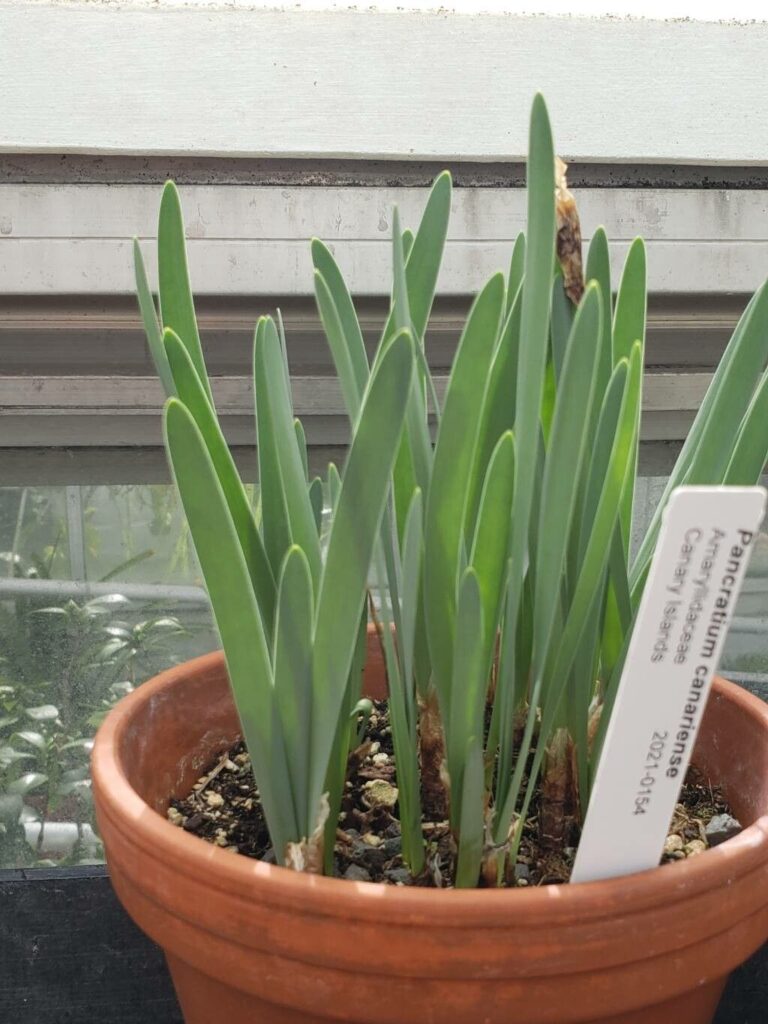
Unlocking the Secrets of the Canary Islands Lily: A Guide to Propagating Pancratium canariense
The Canary Islands Lily, scientifically known as Pancratium canariense, is a captivating plant with its exotic white blooms and intoxicating fragrance. Native to the Canary Islands, this stunning bulbous perennial boasts large, trumpet-shaped flowers resembling lilies, making it a prized possession for plant enthusiasts. While admiring its beauty is a joy in itself, propagating this unique plant allows you to share its splendor and multiply your own collection. While it requires a little patience, successfully growing new Canary Islands lilies from seed or bulb offsets is an achievable feat for any home gardener.
Two Paths to Propagation: Seeds vs. Offsets
There are two primary methods for propagating Pancratium canariense:
-
Seed Propagation: This method, though requiring more time, offers a rewarding experience for patient gardeners.
- Bulb Offsets (Bulbils): A faster method than growing from seed, offsets leverage the plant’s natural tendency to create smaller bulbs around the parent bulb.
Let’s explore each method in detail:
Method 1: Sowing the Seeds of Success
-
Harvesting Seeds: After flowering, Pancratium canariense develops seed pods that turn brown and dry upon maturity. Collect these pods carefully, extracting the black, angular seeds within.
-
Sowing the Seeds: Sow the seeds in a well-draining potting mix, lightly covering them with a thin layer of soil. Maintaining consistent moisture is crucial for germination.
-
Patience is Key: Germination can take anywhere from a few weeks to several months, so don’t be discouraged if you don’t see immediate results.
- Providing the Right Environment: Place the seed tray in a warm, bright location but out of direct sunlight.
Method 2: Multiplying with Offsets
-
Identifying Offsets: Look for small bulblets forming around the base of the mature plant.
-
Carefully Separating Offsets: When the offsets are large enough to handle, gently separate them from the mother bulb using a clean, sharp knife or your fingers.
-
Potting the Offsets: Plant each offset in a well-draining potting mix, ensuring the top of the bulb is level with the soil surface.
- Nurturing New Growth: Water the newly potted offsets sparingly and provide bright, indirect light.
Caring for Your Propagated Plants
Whether you’ve chosen the path of seeds or offsets, providing appropriate care is paramount for successful Pancratium canariense propagation.
-
Well-Draining Soil: Using a potting mix specifically designed for succulents or amending regular potting soil with perlite or sand is essential to prevent waterlogging.
-
Watering Wisely: Water deeply but infrequently, allowing the soil to dry out between waterings.
-
Feeding for Growth: During the growing season (spring and summer), fertilize your plants every few weeks with a balanced liquid fertilizer diluted to half strength.
- Providing Adequate Light: Place your Pancratium canariense in a location with bright, indirect light. While they appreciate some direct sunlight, prolonged exposure can scorch their leaves.
Propagating Pancratium canariense is a fulfilling journey for any plant lover. Whether you choose the anticipation of growing from seed or the efficiency of bulb offsets, the reward of nurturing these enchanting plants from their early stages to maturity is a truly rewarding experience. So, why not embark on this botanical adventure and bring the allure of the Canary Islands into your own home?